
-
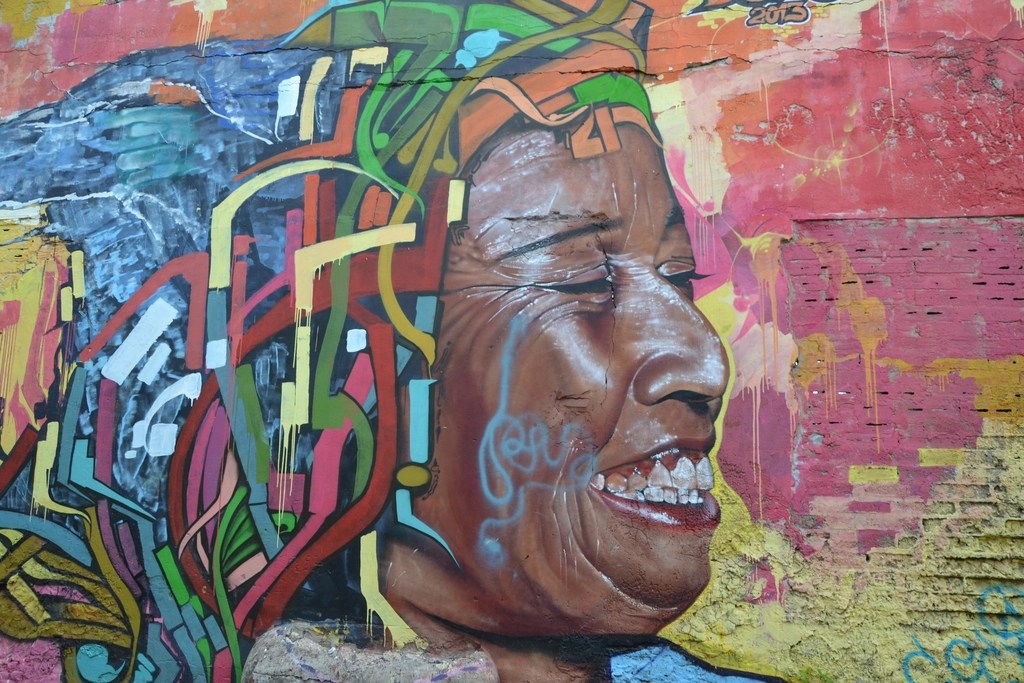
When the World Hardens, Go Where Beauty Still Lives
At the VU Women@VU International Women’s Day gathering this year, I found myself thinking about absence. Not only who is present in the room, but who goes missing from our frameworks. Whose names fall away. Whose lives remain insufficiently held by the language, institutions, and categories meant to account for them. During the event, Ismintha…
-
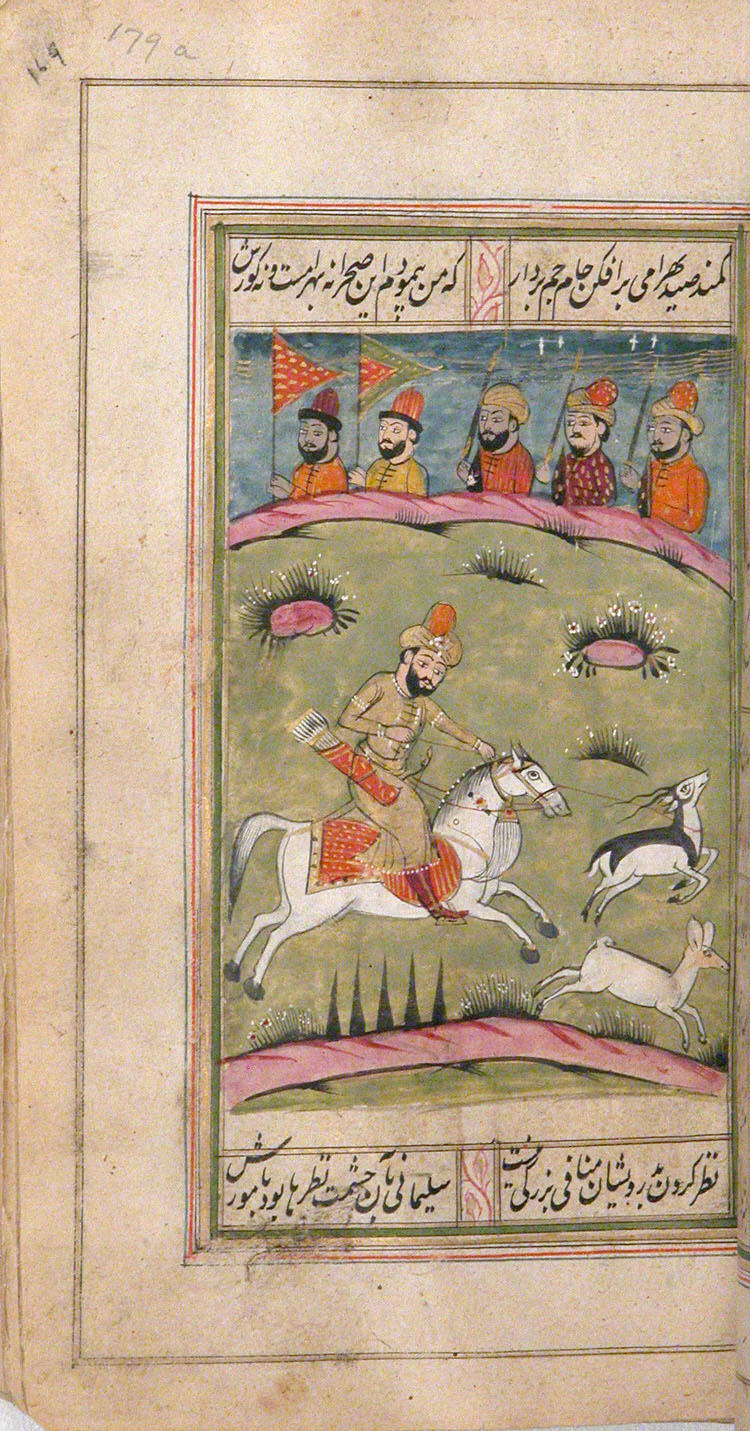
Ziyafat and Radical Hospitality: Towards an Ethics of Reading Across Border
I have been ruminating on this topic for so long. It is time to stop reading it solely through the lens of an academic researcher and simply release it into the world, because its urgency can no longer wait. This essay examines the influence of Persian poetry on American literature, tracing its path from transcendentalist…
-
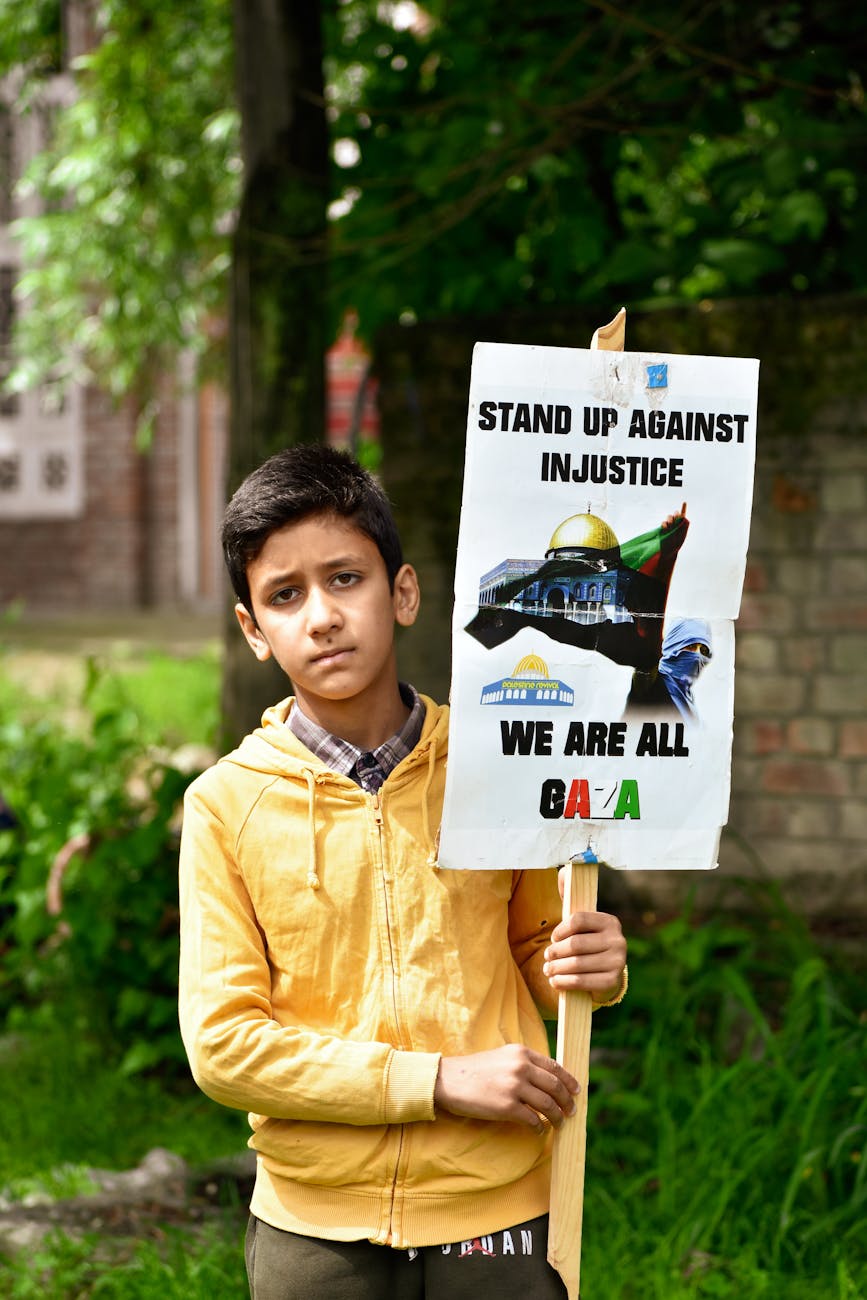
Burning Through the Forest of Noise: Mosab Abu Toha’s Poetics of Survival
In Forest of Noise, Mosab Abu Toha offers us not just poetry, but the breathless residue of survival. The title itself rings like an invocation: a forest, dense with memory, static, and surveillance; a noise, unceasing, buzzing with drones, rubble, and the keening of the dispossessed. This is Gaza, yes—but also the poetic terrain of…
-

Fizz, Silence, and the Color of Connection: On Words Bubble Up Like Soda Pop
In a cinematic world that often equates impact with intensity, Words Bubble Up Like Soda Pop dares to whisper. Directed by Kyōhei Ishiguro, this 2021 anime film is a gentle study in restraint—a teenage summer romance told through soft hues, quiet poetry, and emotional understatement. Clocking in at just under 90 minutes, it’s light as…
-

Unmothering the Mind: Demented Mothers in Literature and Theory
“I do not know which to prefer,the beauty of inflectionsor the beauty of innuendoes,the blackbird whistlingor just after.”— Wallace Stevens, Thirteen Ways of Looking at a Blackbird The mother who forgets is often feared. She is no longer the custodian of the domestic archive, no longer the ground of the child’s stability or the embodiment…
-

The Ache That Binds: Reading Difficult Mother-Daughter Relationships in Contemporary Memoirs
There is a particular kind of grief that does not scream. It simmers. It simmers beneath daily rituals, under the echoes of a mother’s reprimand, or in the silence that follows a phone call. To read memoirs like Crying in H Mart by Michelle Zauner, Burnt Sugar by Avni Doshi, and I’m Glad My Mom…
-
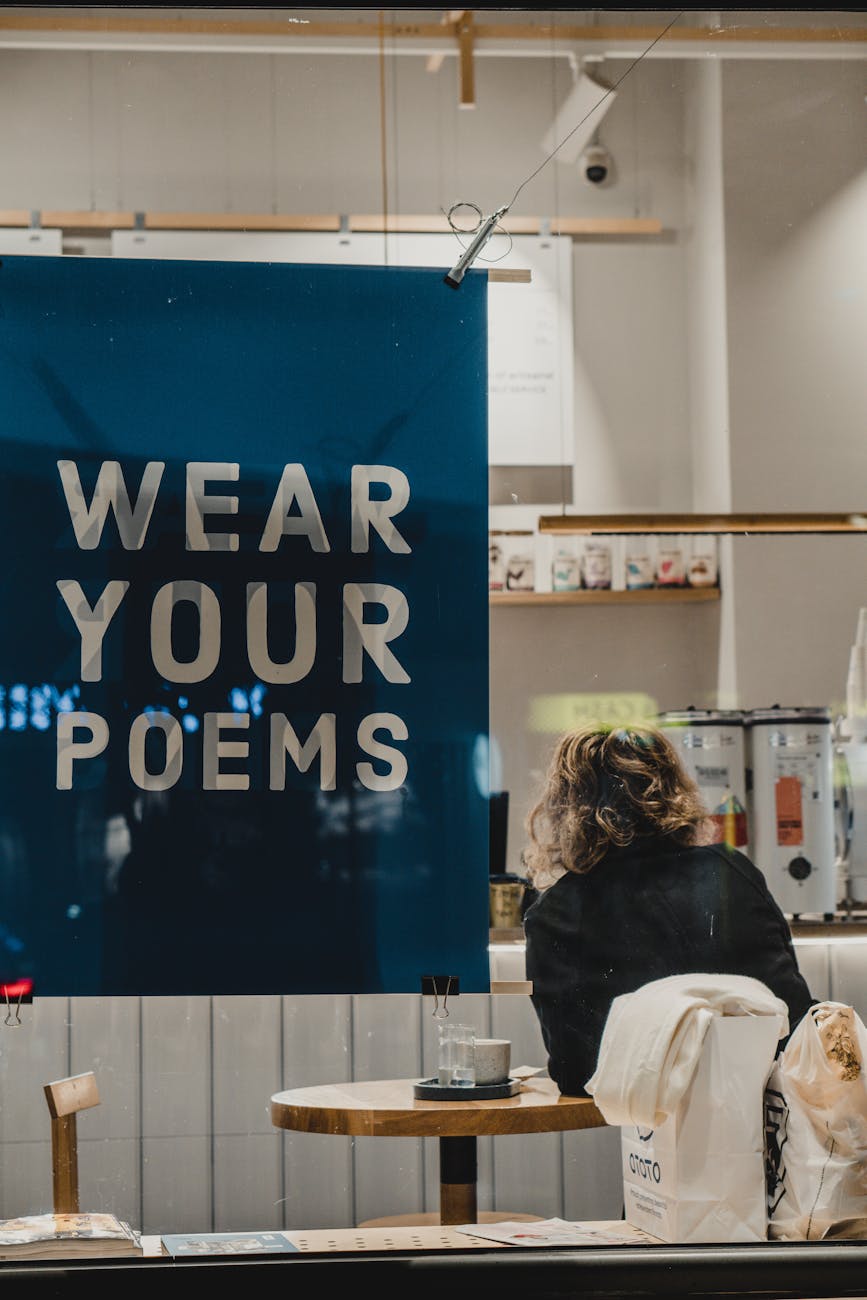
What to Do with All This Poetry?
Some days, it gathers in my throat like an unspoken prayer. Other days, it sprawls across the margins of meeting notes, bleeding into the white space between obligations. Poetry, in all its reckless abundance, arrives unannounced. It stands at the door like a lover who refuses to leave, or like a stray cat who has…
-

Reclaiming the Body in Verse: Marginalized Poets, Hair, and the Politics of Presence
Poetry has long been a terrain where power structures are challenged, reimagined, and sometimes dismantled. Within this tradition, underrepresented and marginalized poets—particularly women, queer writers, and those of diasporic communities—have used the body, and often its most intimate and symbolic parts, as a site of resistance and reclamation. Among these embodied symbols, hair emerges as…
-
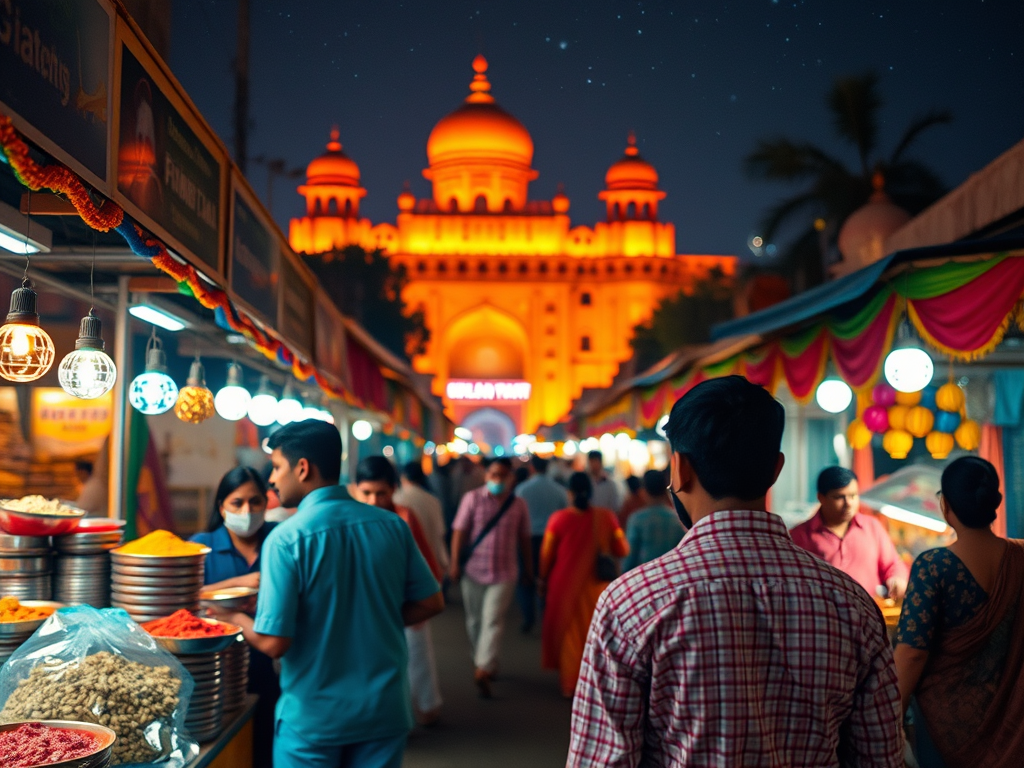
My Ghazals are Broken: Wabi Sabi
On completing two years with this PhD! Faith bobs in disco lights, delicious Turkish drivers in Uber rides Veiled morning on the Rajpath bride, but what of fat-bikers’ prides By Amstel’s banks I park my shamiana outside,Days spent garam masala-ing PowerPoint slides Arre Wah! See Rembrandt’s light draping Shergill’s sideWhat of the partition, and the…

