
-

Who Gets to Take Up Space? Women, Desire and the Ordinary in All We Imagine as Light
This essay is adapted from the introduction I presented at Rialto/Griffioen for a screening of Payal Kapadia’s All We Imagine as Light. I had the privilege of introducing the film and wanted to offer the audience a few ideas to carry with them into the screening: about women and the city, migration and home, intimacy,…
-
The Body Remembers the Room
This week, on April 15th, I had the honour of delivering the opening keynote for the Social Safety Week 2026 at the Conservatorium van Amsterdam, a programme that understands something many institutions still struggle to name: that social safety is not a decorative value to be displayed at the edges of institutional life, but part…
-
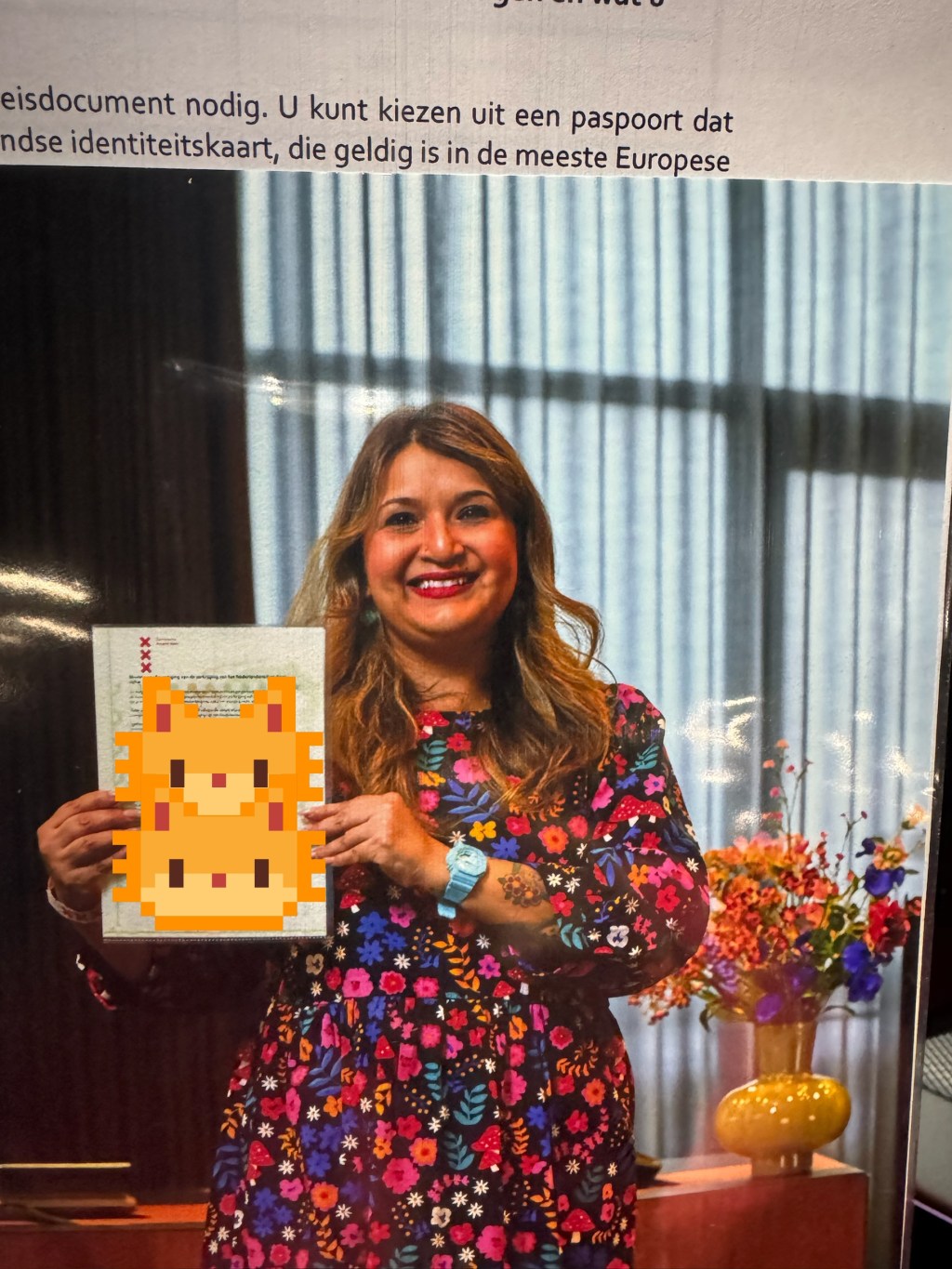
Exception, By Another Name: answering some frequently asked questions about my identity
Today the state writes my name with a borrowed pen. Not the pen kept in velvet for lost inheritance certificates, but a pen found in the bottom of a drawer: a little cracked, ink clotted around the nib, the kind you warm with your breath to make it move. They call it citizenship by an…
-
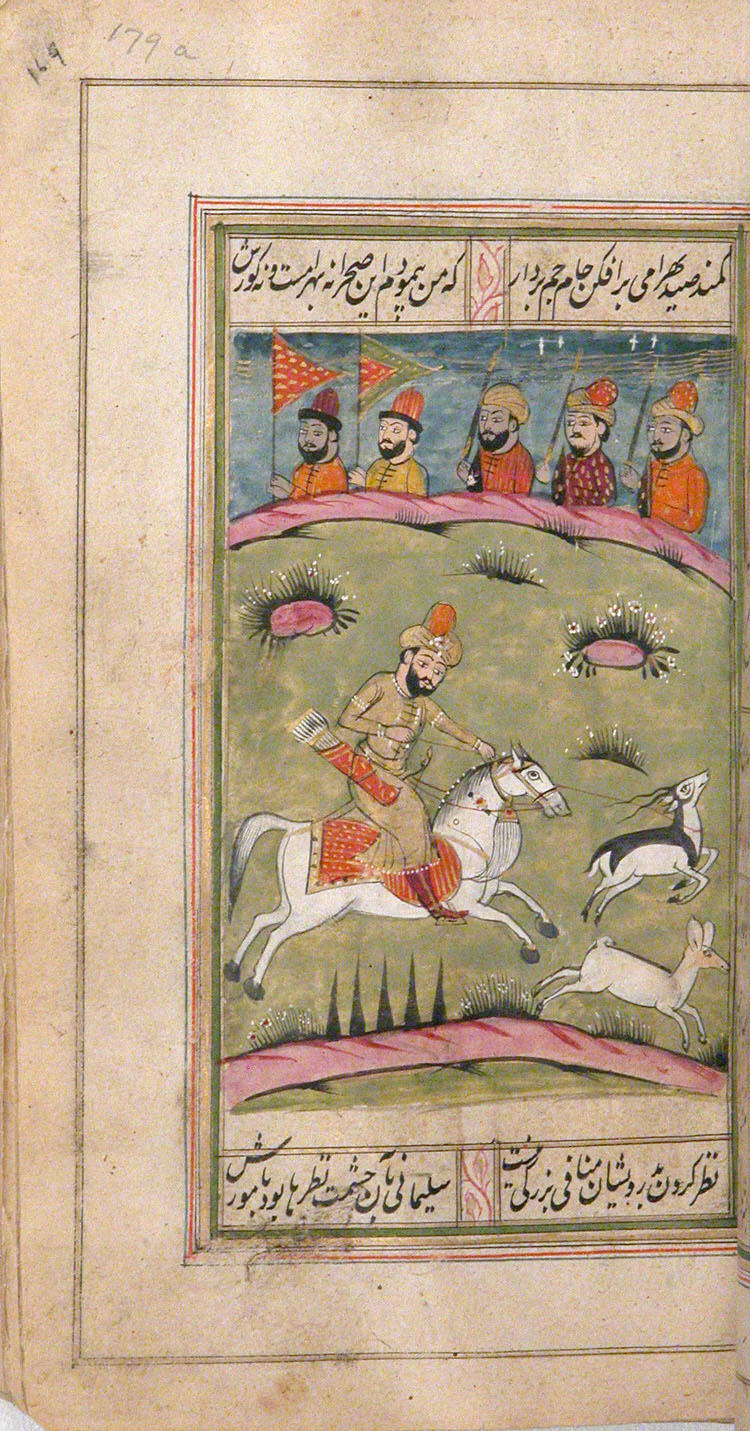
Ziyafat and Radical Hospitality: Towards an Ethics of Reading Across Border
I have been ruminating on this topic for so long. It is time to stop reading it solely through the lens of an academic researcher and simply release it into the world, because its urgency can no longer wait. This essay examines the influence of Persian poetry on American literature, tracing its path from transcendentalist…
-
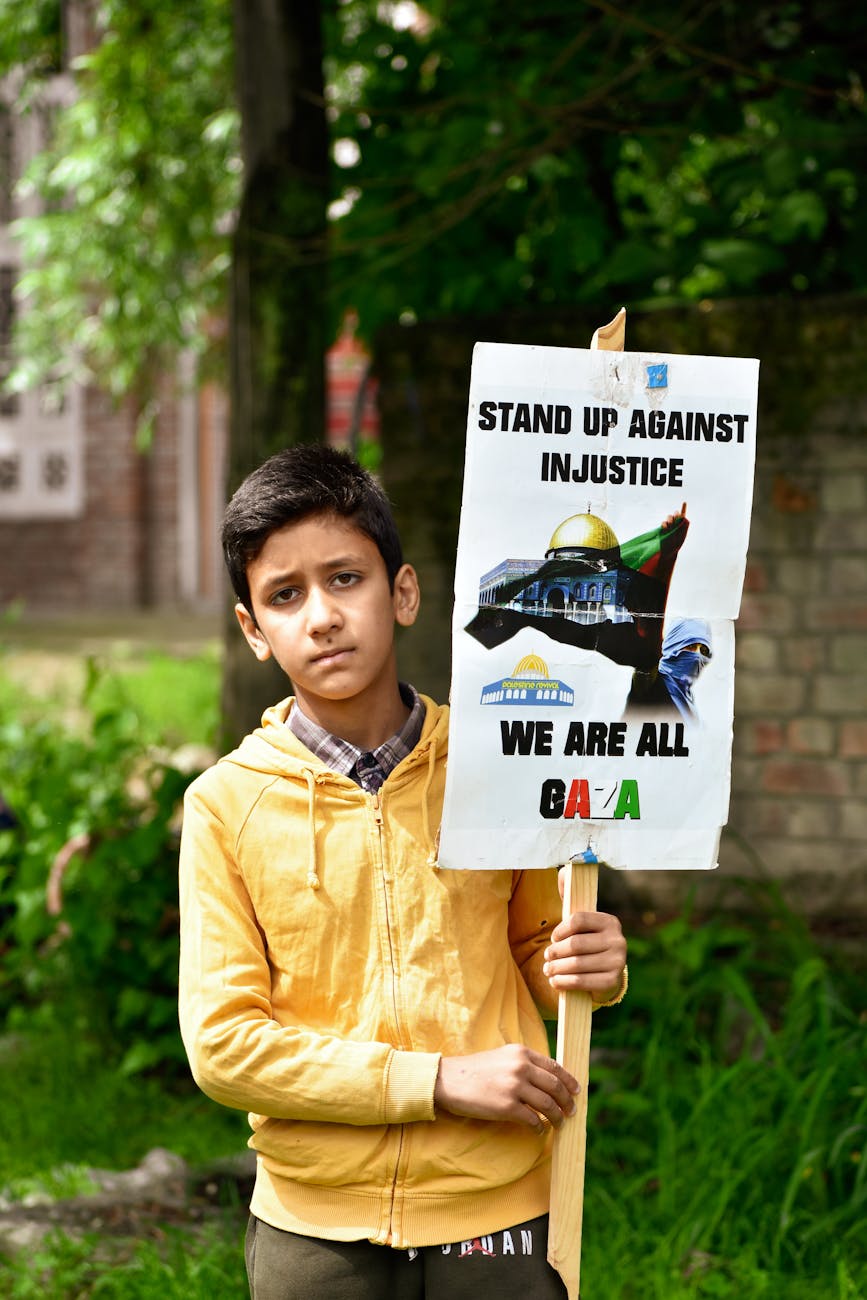
Burning Through the Forest of Noise: Mosab Abu Toha’s Poetics of Survival
In Forest of Noise, Mosab Abu Toha offers us not just poetry, but the breathless residue of survival. The title itself rings like an invocation: a forest, dense with memory, static, and surveillance; a noise, unceasing, buzzing with drones, rubble, and the keening of the dispossessed. This is Gaza, yes—but also the poetic terrain of…
-
Unmothering the Mind: Demented Mothers in Literature and Theory
“I do not know which to prefer,the beauty of inflectionsor the beauty of innuendoes,the blackbird whistlingor just after.”— Wallace Stevens, Thirteen Ways of Looking at a Blackbird The mother who forgets is often feared. She is no longer the custodian of the domestic archive, no longer the ground of the child’s stability or the embodiment…
-
What to Do with All This Poetry?
Some days, it gathers in my throat like an unspoken prayer. Other days, it sprawls across the margins of meeting notes, bleeding into the white space between obligations. Poetry, in all its reckless abundance, arrives unannounced. It stands at the door like a lover who refuses to leave, or like a stray cat who has…
-

The Architecture of Absence
It begins, as these things often do, with a choice that feels like betrayal. To spend your days unraveling the forgotten voices, the silenced poets, the marginalized verses that history either ignored or erased. To dedicate your scholarship to the overlooked. But what happens when, in searching for their space, you find there is none…
-
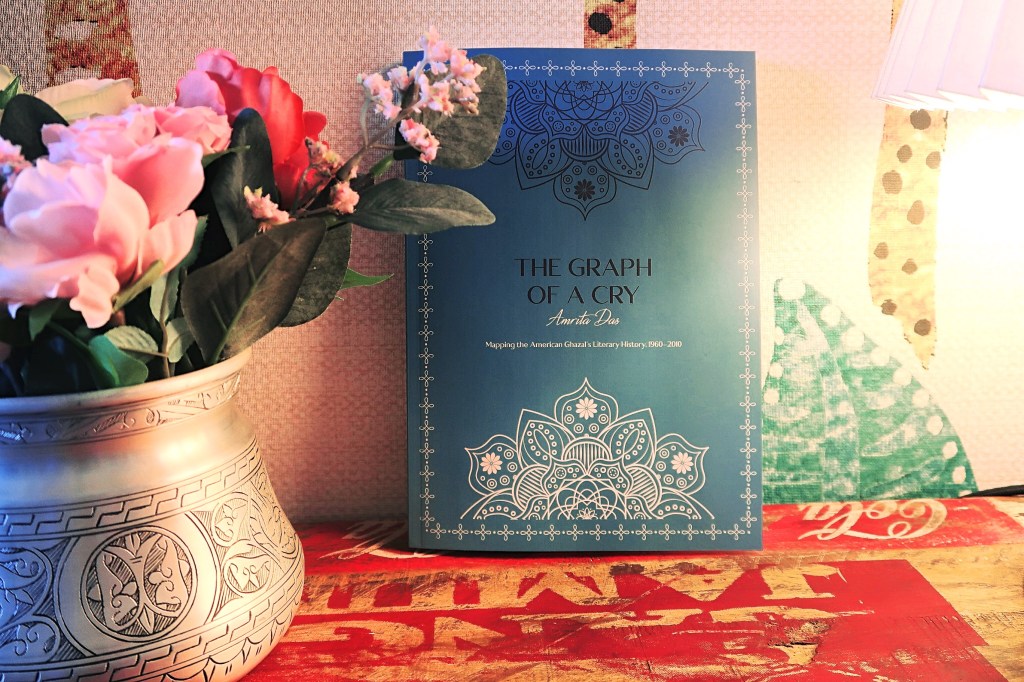
The Graph of a Cry
My dissertation is available as a book for academics, libraries, and those who are interested to read more about the phenomenal journey of the American ghazal. This dissertation analyzes the journey of the ancient Arabic poetic form of the ghazal to America to provide insights into transnational poetry and cultural mobility. While the movement of…

