
-

Unmothering the Mind: Demented Mothers in Literature and Theory
“I do not know which to prefer,the beauty of inflectionsor the beauty of innuendoes,the blackbird whistlingor just after.”— Wallace Stevens, Thirteen Ways of Looking at a Blackbird The mother who forgets is often feared. She is no longer the custodian of the domestic archive, no longer the ground of the child’s stability or the embodiment…
-

The Ache That Binds: Reading Difficult Mother-Daughter Relationships in Contemporary Memoirs
There is a particular kind of grief that does not scream. It simmers. It simmers beneath daily rituals, under the echoes of a mother’s reprimand, or in the silence that follows a phone call. To read memoirs like Crying in H Mart by Michelle Zauner, Burnt Sugar by Avni Doshi, and I’m Glad My Mom…
-

The Beauty of Grief in Performance Art
To the one who walked through light like it was ash, You came to me not with thunder, but like rain that had forgotten how to fall. On a screen already too full of noise, you entered quietly, like a question. I didn’t know your name then — and I don’t write this letter to…
-
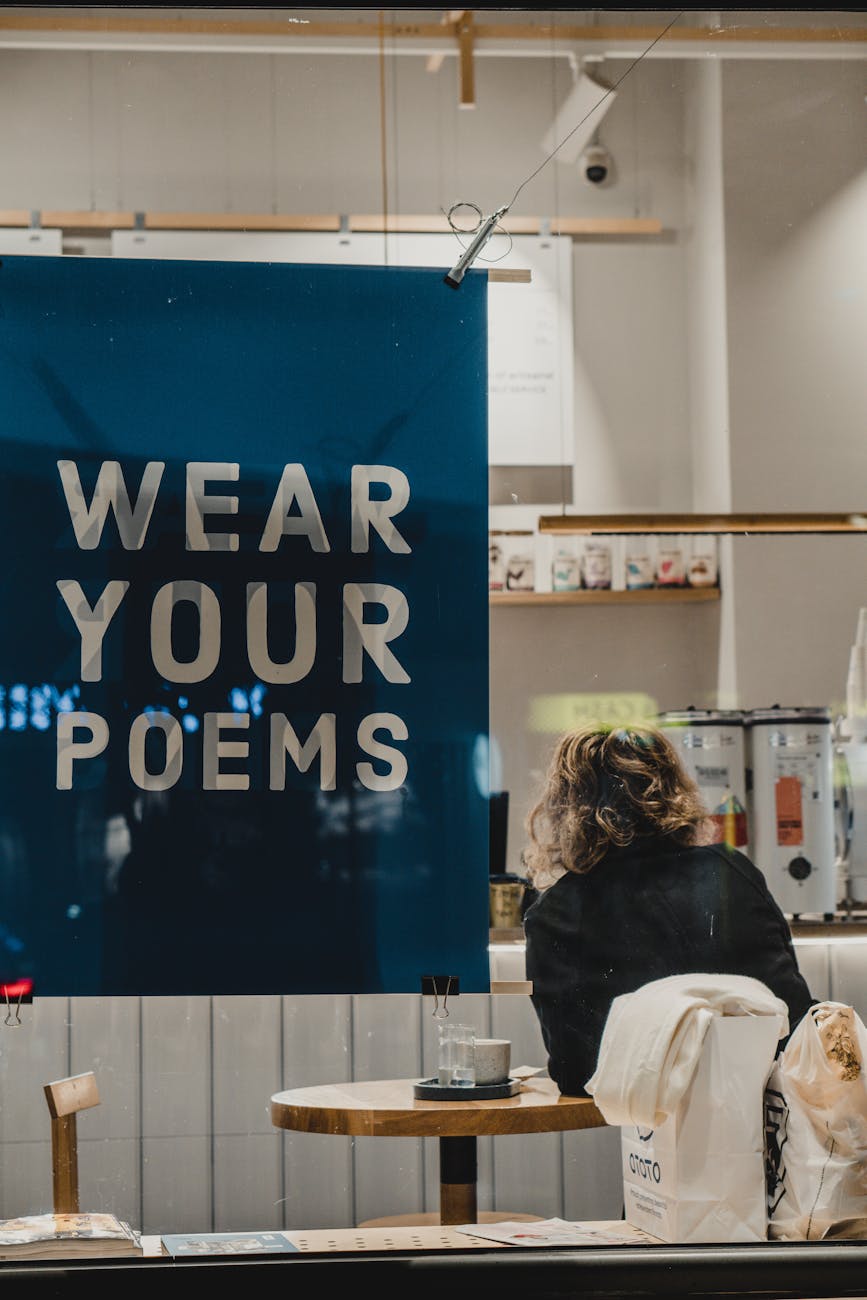
What to Do with All This Poetry?
Some days, it gathers in my throat like an unspoken prayer. Other days, it sprawls across the margins of meeting notes, bleeding into the white space between obligations. Poetry, in all its reckless abundance, arrives unannounced. It stands at the door like a lover who refuses to leave, or like a stray cat who has…
-

Reclaiming the Body in Verse: Marginalized Poets, Hair, and the Politics of Presence
Poetry has long been a terrain where power structures are challenged, reimagined, and sometimes dismantled. Within this tradition, underrepresented and marginalized poets—particularly women, queer writers, and those of diasporic communities—have used the body, and often its most intimate and symbolic parts, as a site of resistance and reclamation. Among these embodied symbols, hair emerges as…
-
My Ghazals are Broken: Wabi Sabi
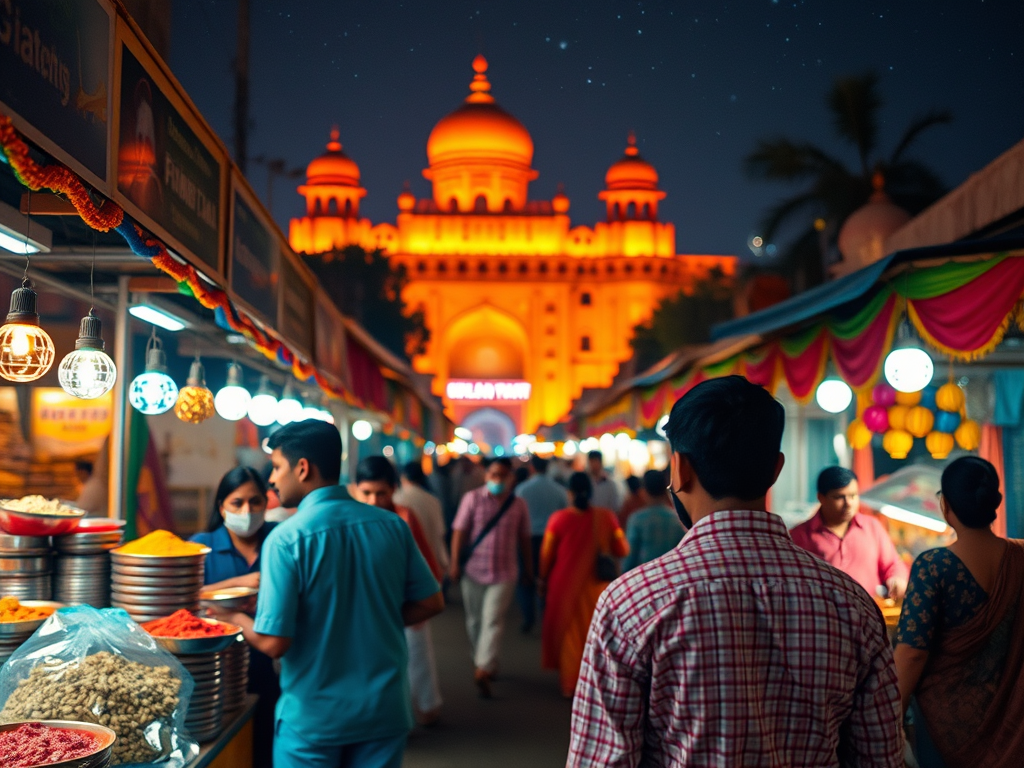
On completing two years with this PhD! Faith bobs in disco lights, delicious Turkish drivers in Uber rides Veiled morning on the Rajpath bride, but what of fat-bikers’ prides By Amstel’s banks I park my shamiana outside,Days spent garam masala-ing PowerPoint slides Arre Wah! See Rembrandt’s light draping Shergill’s sideWhat of the partition, and the…
-
Rediscovering Forgotten Tales: A Glimpse into Abandoned Villages
I’ve always been drawn to the stories lingering in the forgotten corners of our world. Today, I stumbled upon a digital treasure trove that left me captivated and contemplative: Stefan Irvine Photography’s collection of “Abandoned Villages.” I found myself entranced by each photograph in this collection. Through Irvine’s lens, these abandoned villages come to life…
-
The Keeper of Doings
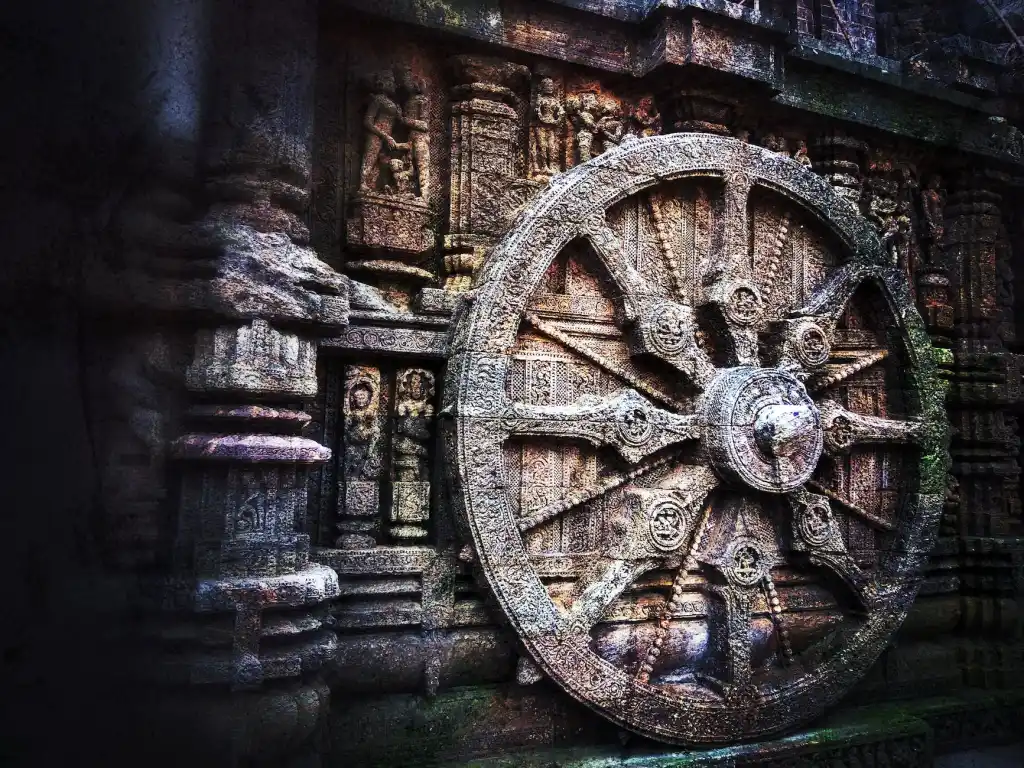
I have been delving into the Gita, partly for solace, partly for nostalgia, and partly for direction. I am finding great comfort in these rather well-known (comparatively speaking) lines from the text: karmany-evadhikaras te ma phaleshu kadachanama karma-phala-hetur bhur ma te sango ’stvakarmani BG 2.47: You have a right to perform your prescribed duties, but you…
-
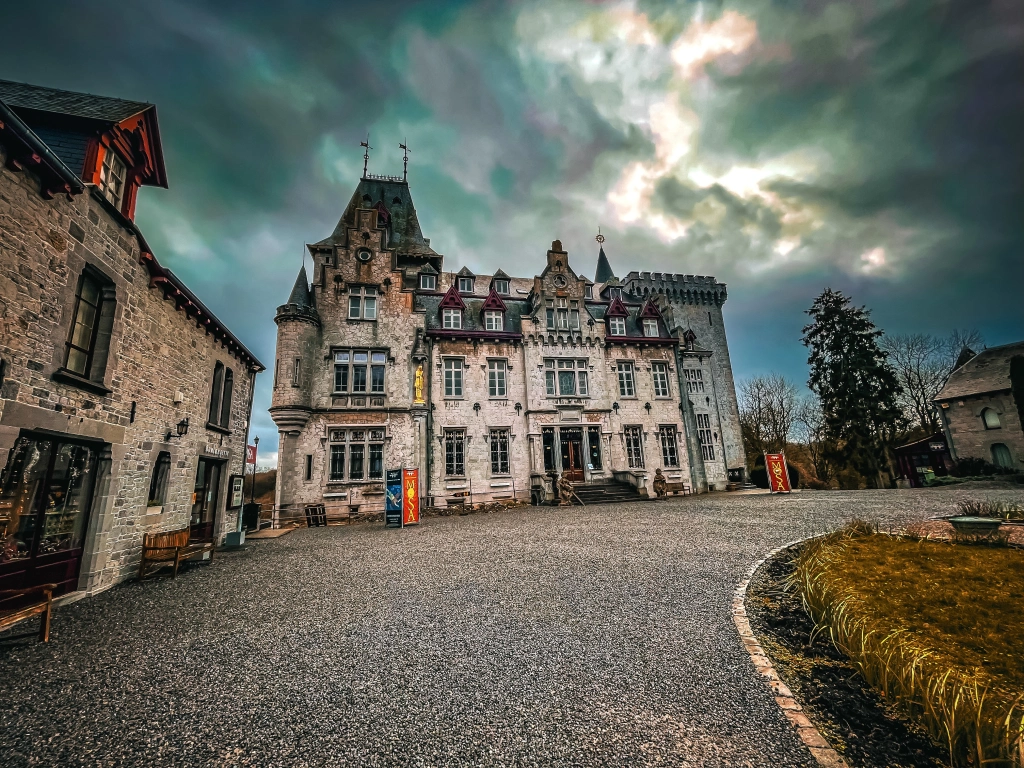
Aachen, Radhadesh, Dusseldorf for the 44th
For my 44th my only wish was to pray. To thank God for the blessings. To let go and trust the cosmos. It was a sweet little road trip. It’s almost May, and I still carry with me: the smell of incense, the sound of bells, and a sense of calm.

