

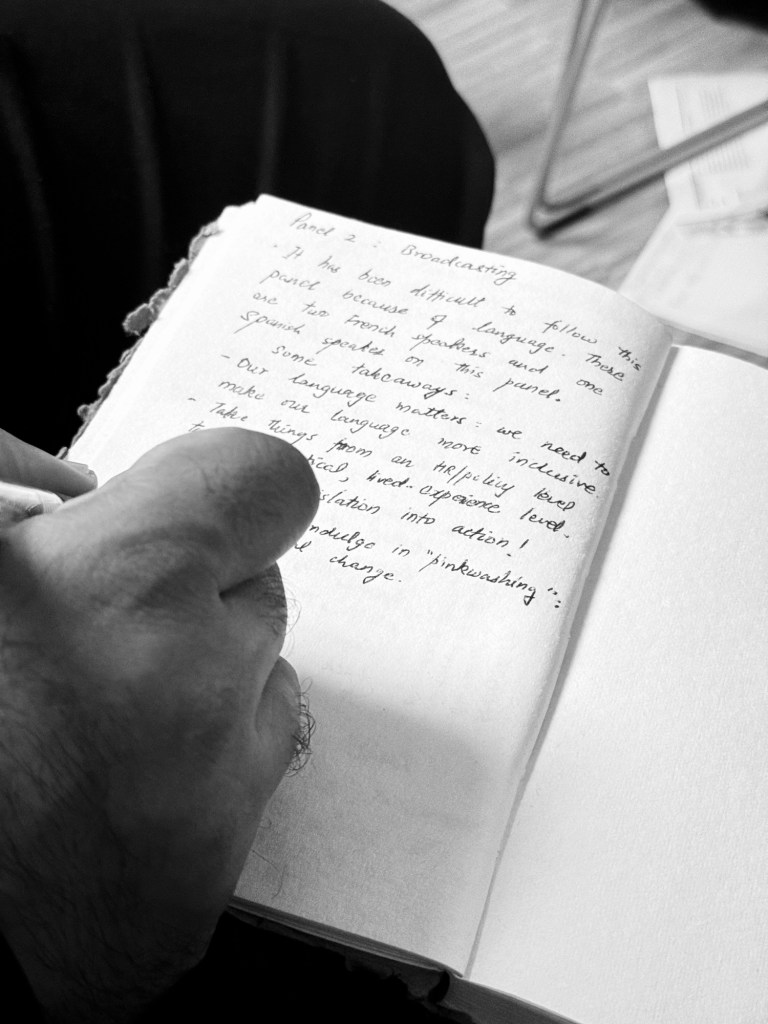
It begins, as these things often do, with a choice that feels like betrayal. To spend your days unraveling the forgotten voices, the silenced poets, the marginalized verses that history either ignored or erased. To dedicate your scholarship to the overlooked. But what happens when, in searching for their space, you find there is none for yourself?
Scholars who dare to study marginalized poets carry a double burden. They are not only translators of invisibility but also bearers of it. In the hallowed halls of academia, where the canon reigns supreme the work is both essential and expendable. A service to the institution, but never a cornerstone.
The world renders some invisible, then turns back, bewildered, demanding they explain their absence. It is tenacity—a quiet, feral kind—that pushes scholars to stop asking, to stop knocking, and instead carve spaces into unyielding walls. They do it, again and again, until their hands bleed. But it should never have come to this.


 Diligent Candy
Leave a comment