
The city arrived first as a smell—
Hot brick dust and the faint iron taste of the Underground, mingling with the ghost of diesel and rain. The kind of smell that makes you feel you’ve lived here before.
London in July and August—
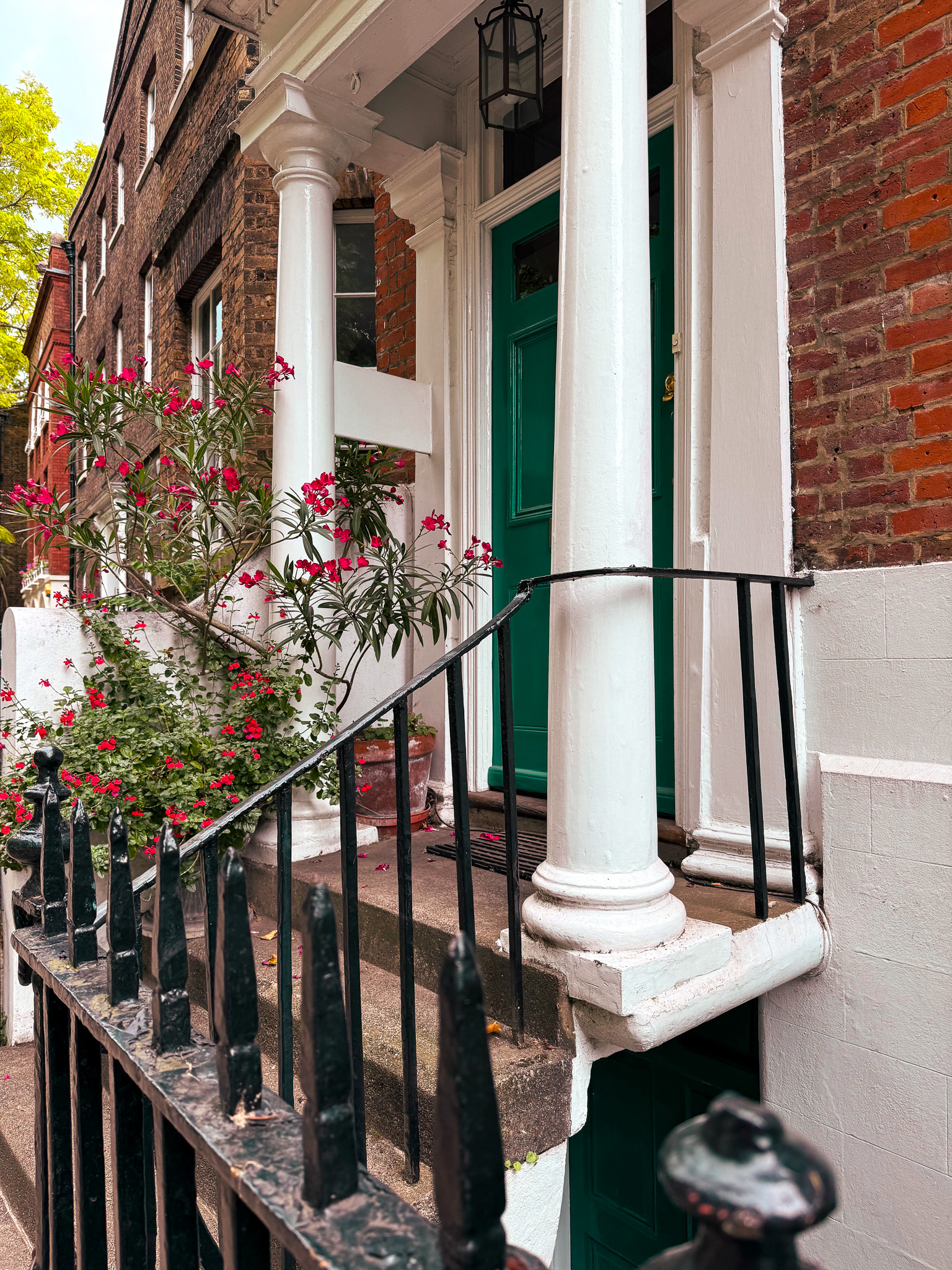
it pretends to be gentle with you, lets the sun linger longer on your skin, makes the Thames glimmer like a slow creature rolling in its sleep. But it’s a city that holds too much history to ever be truly gentle. Every street corner is an archive, every brick a ledger.
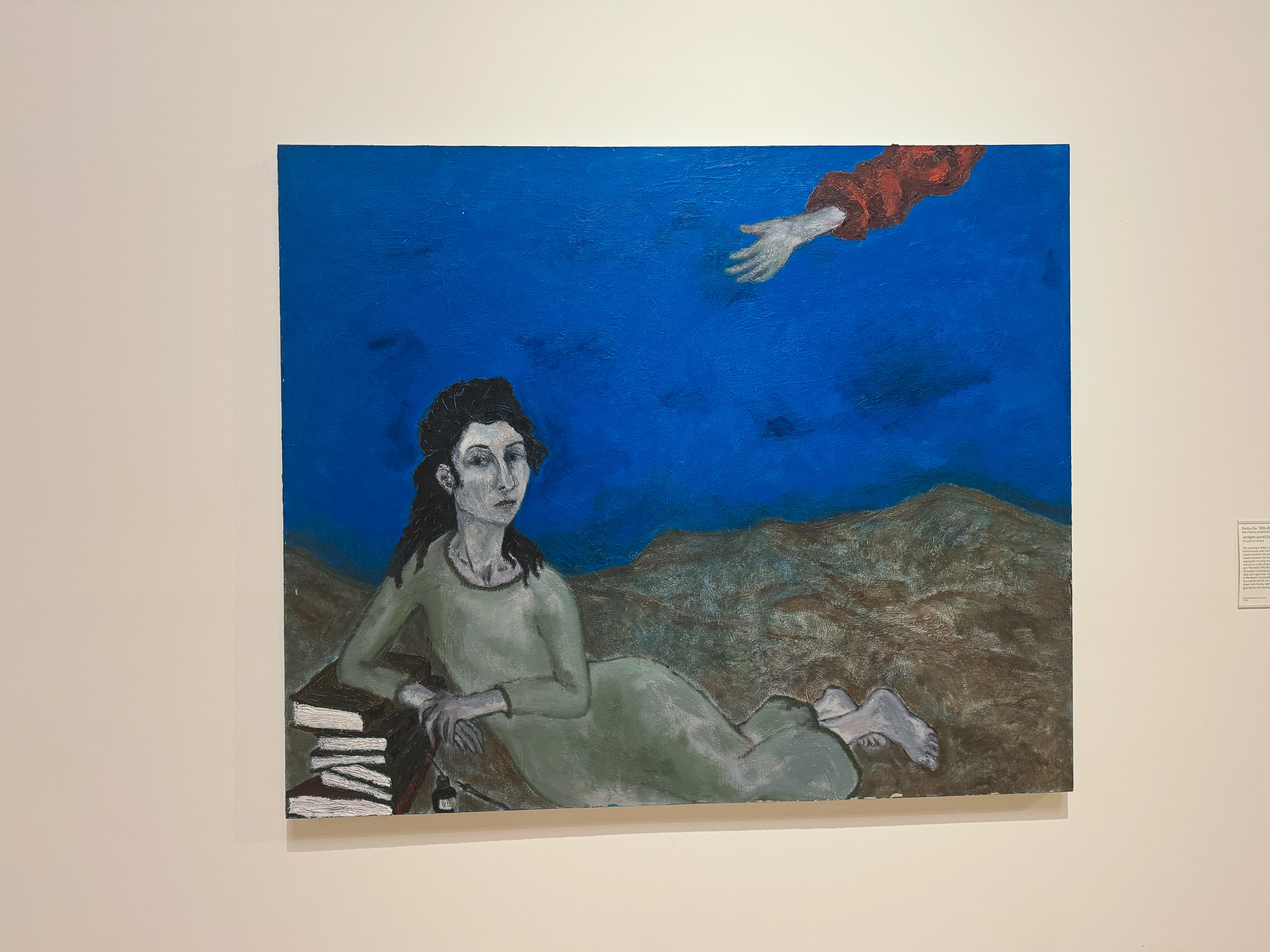
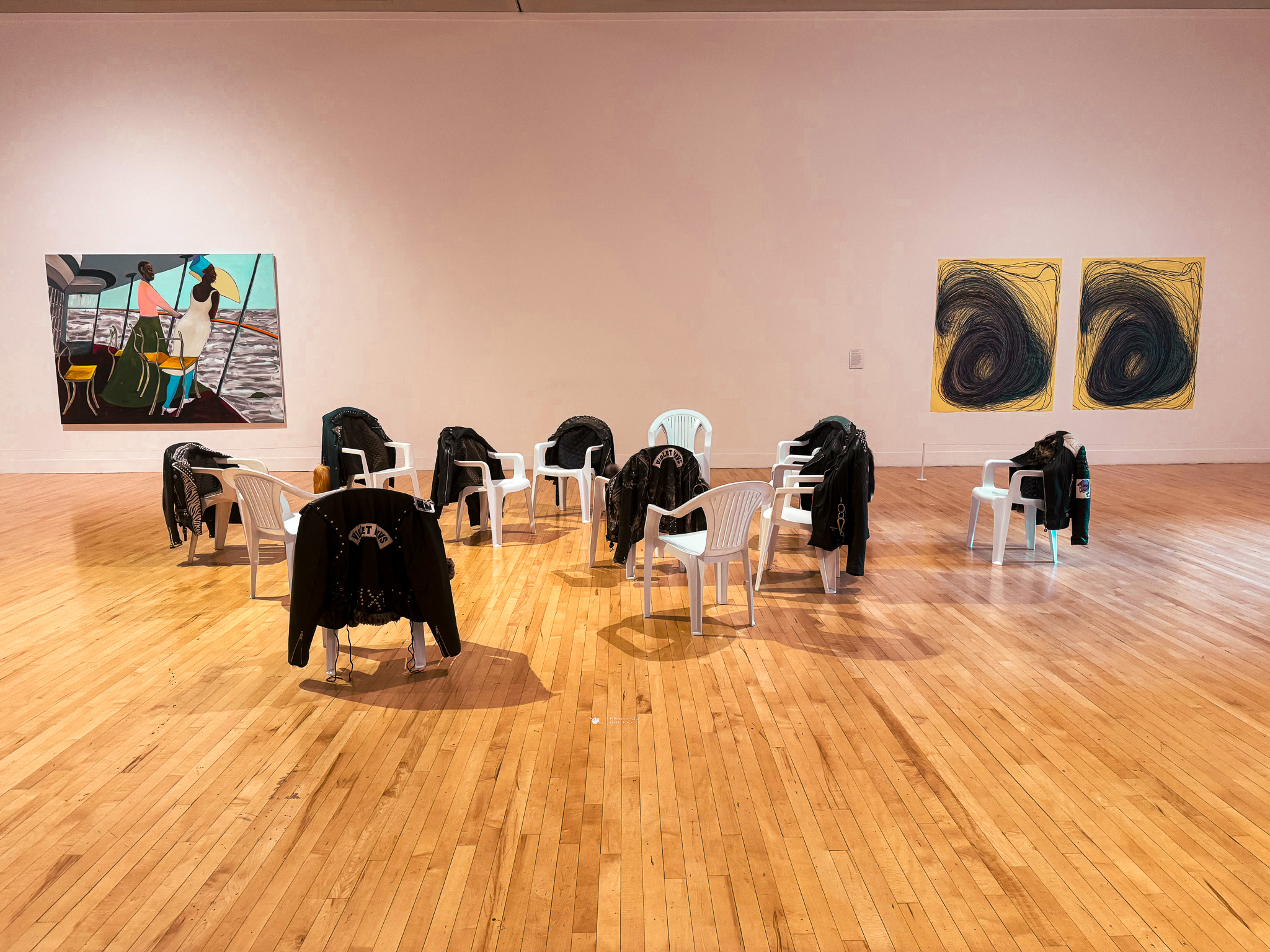
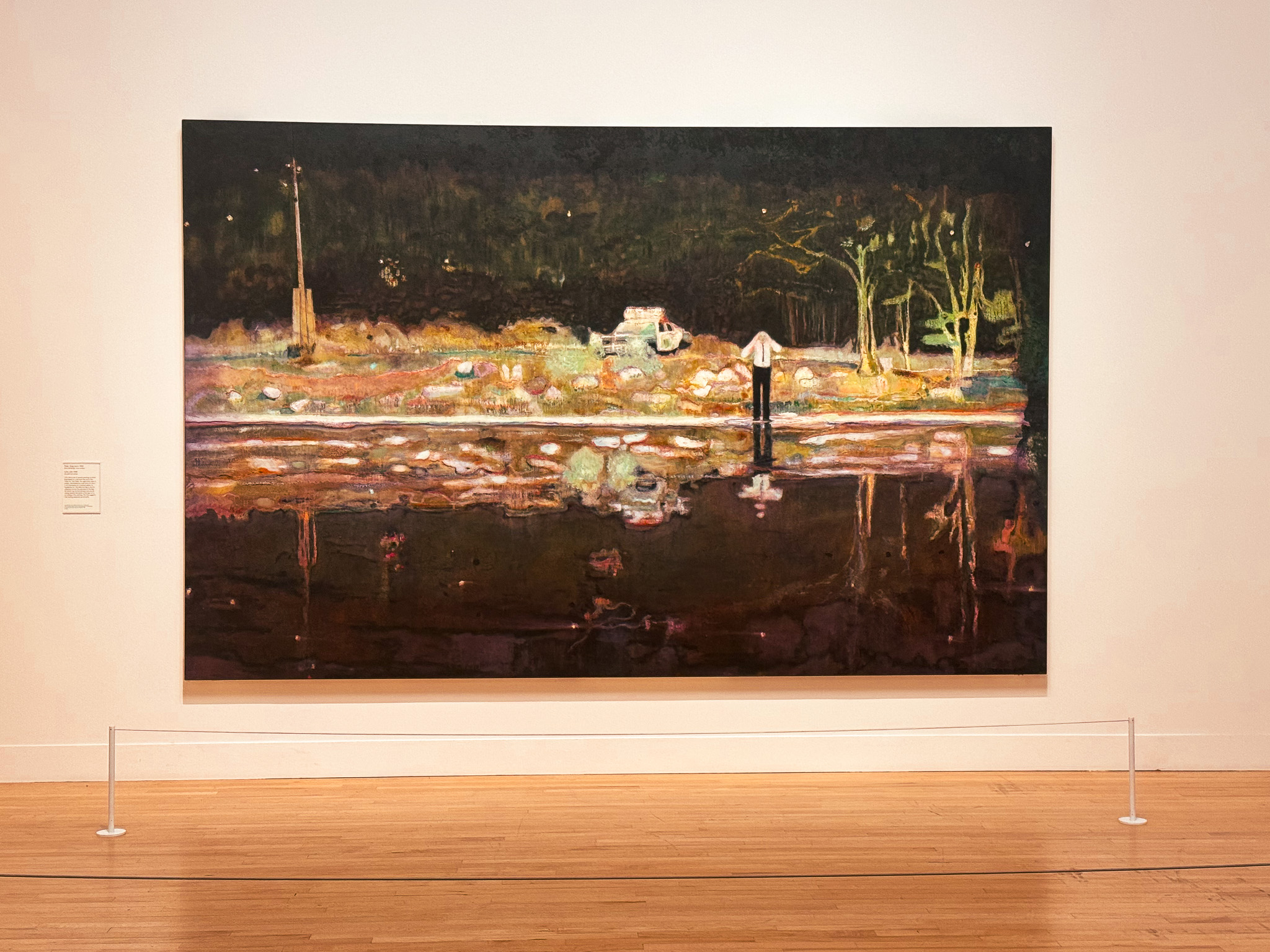
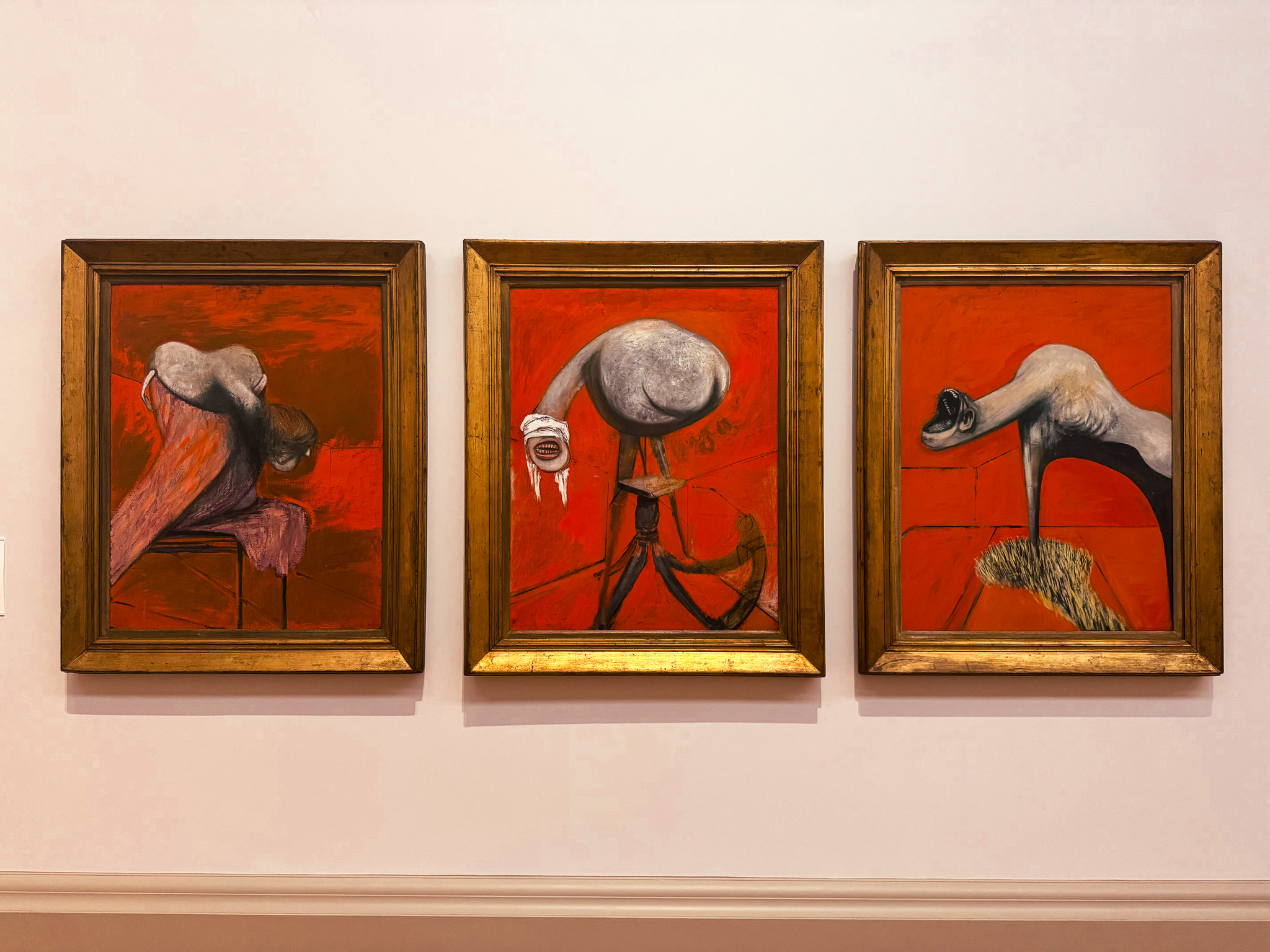
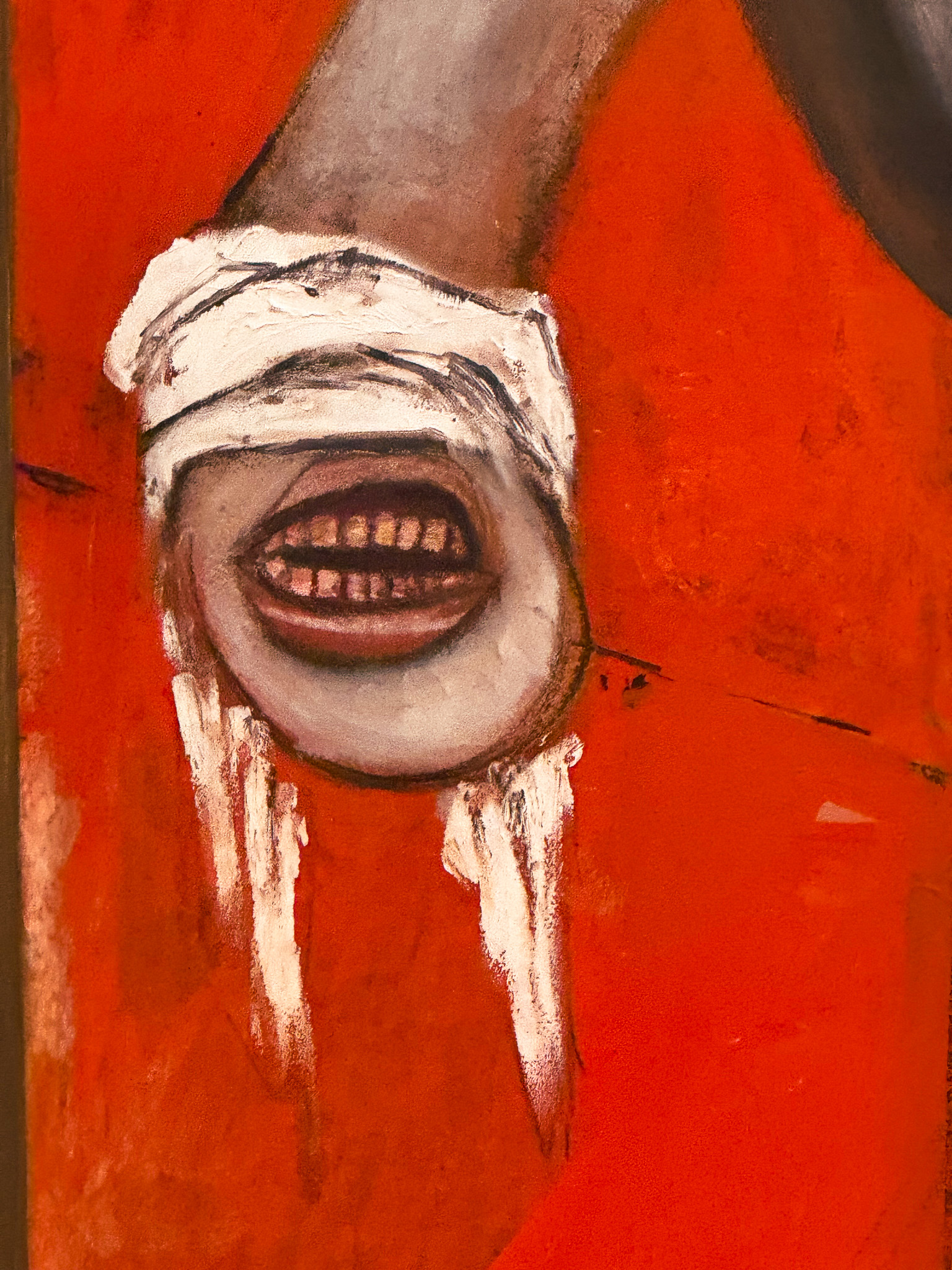
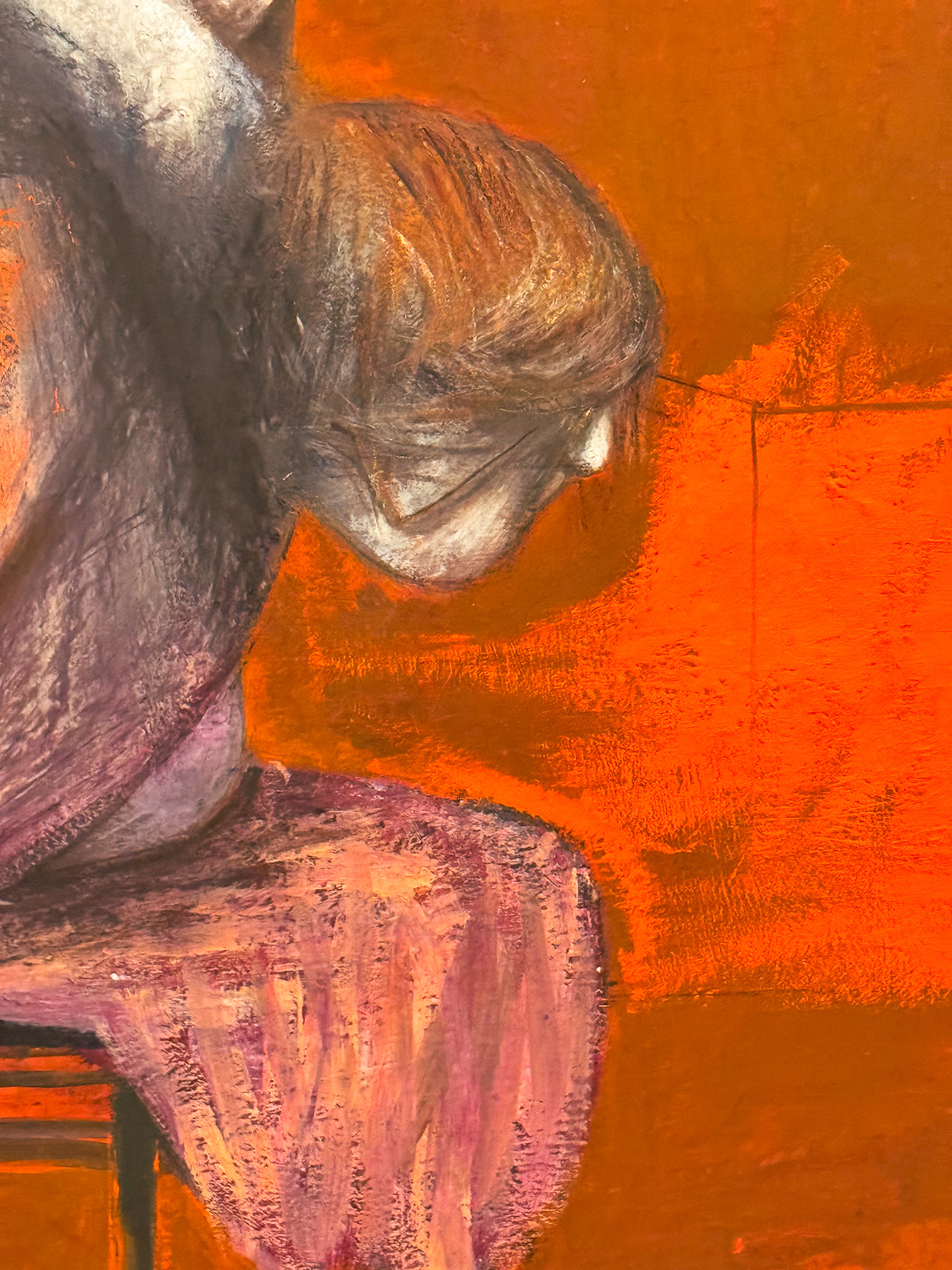
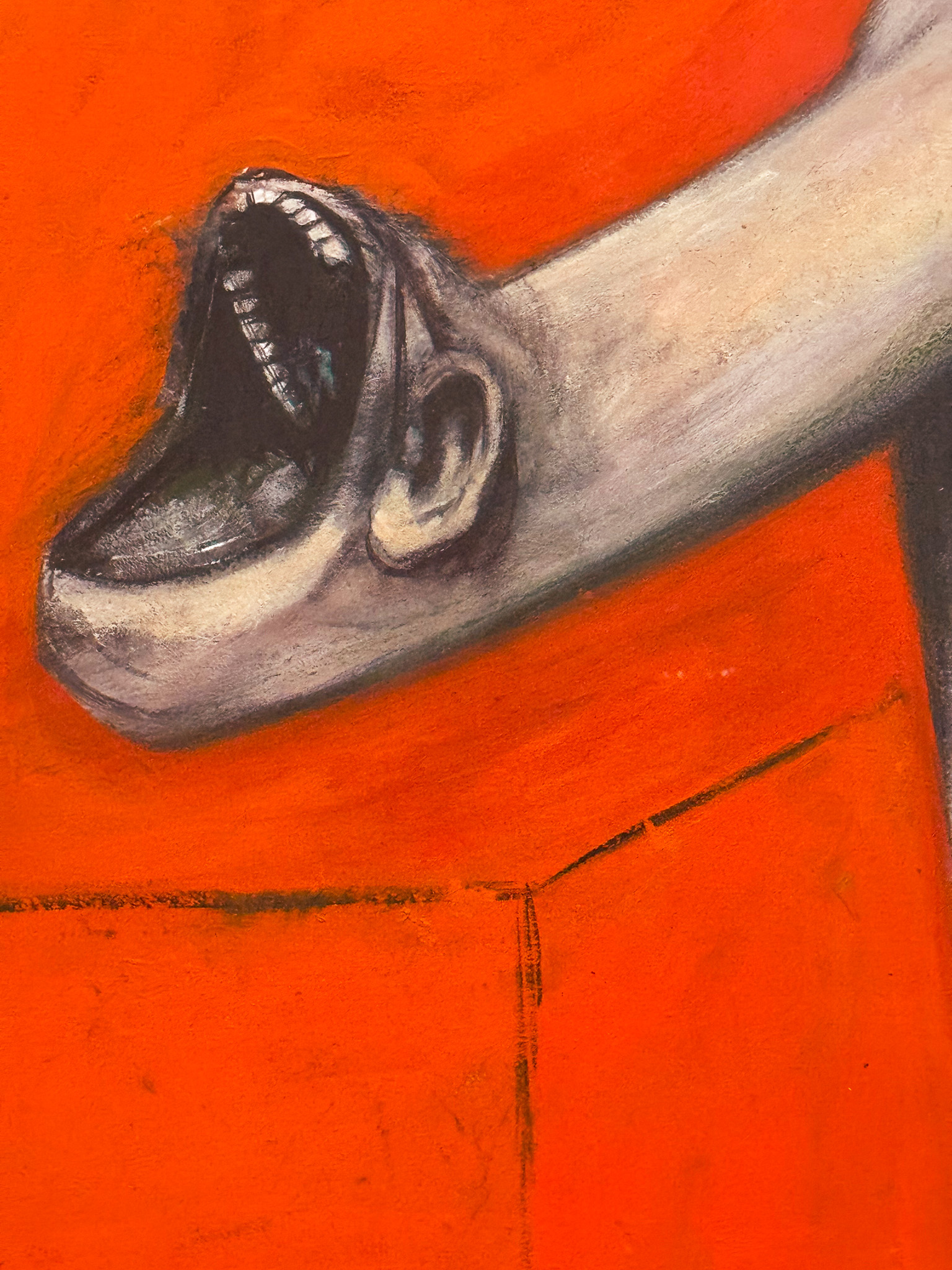
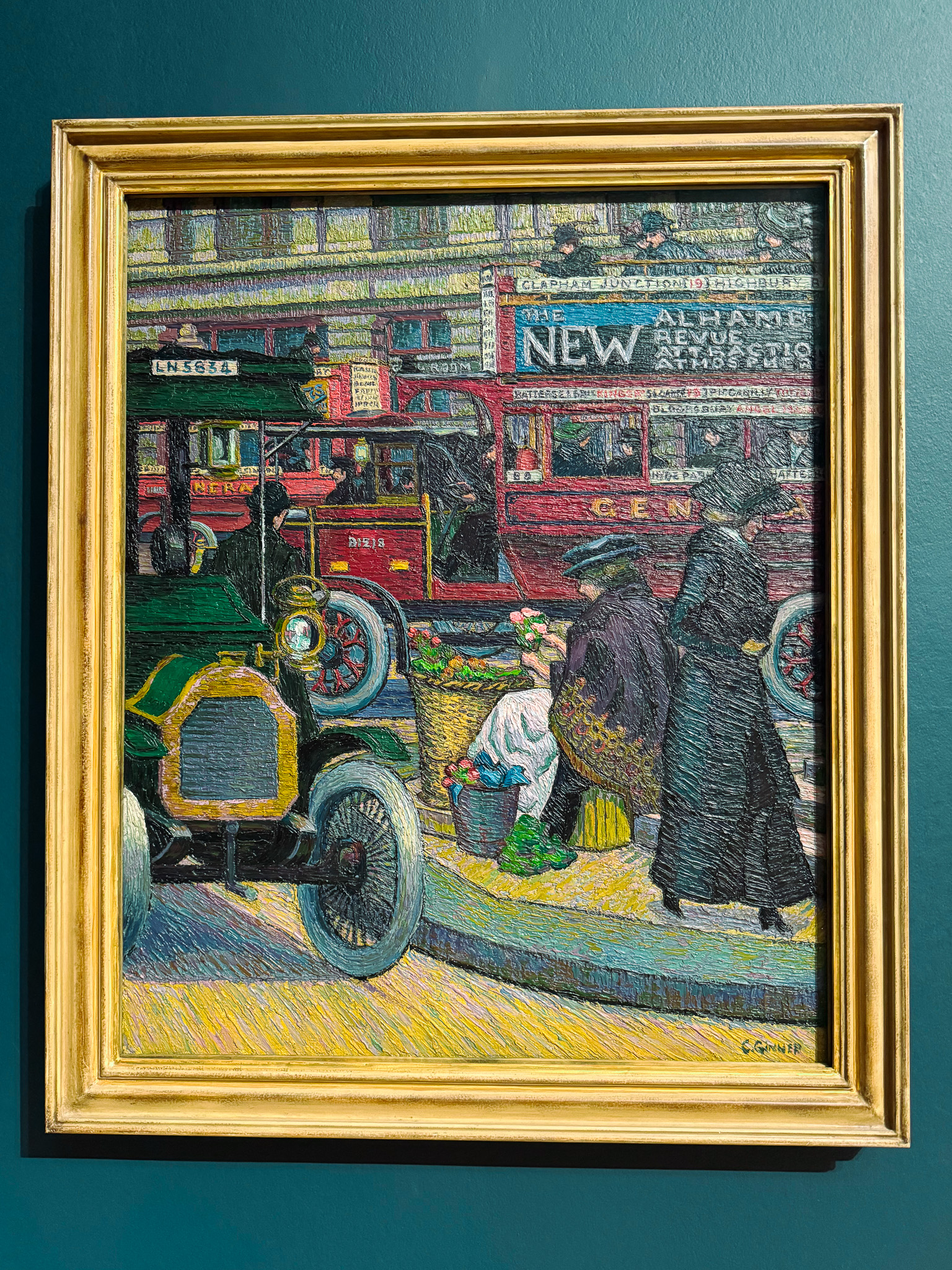
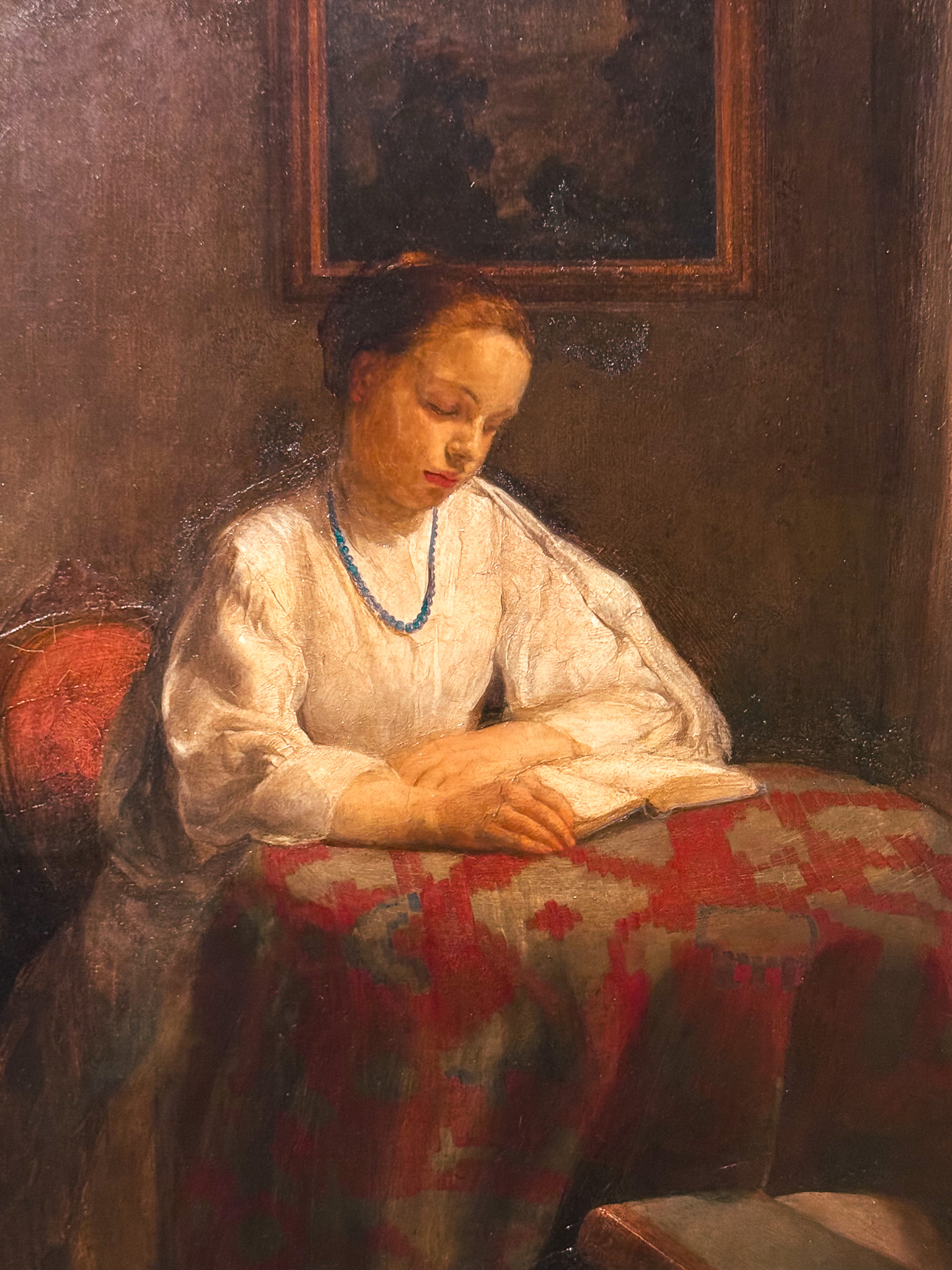
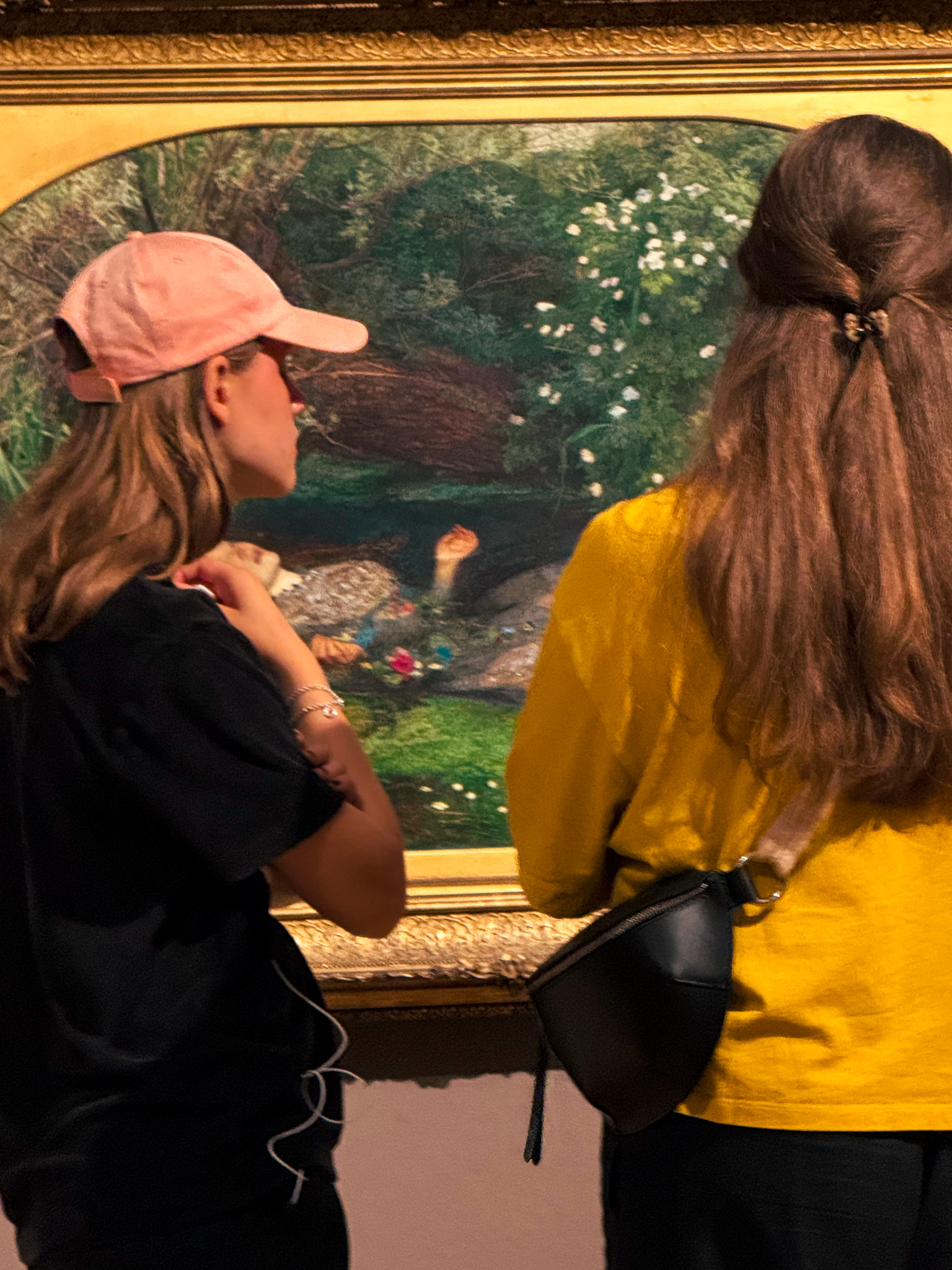
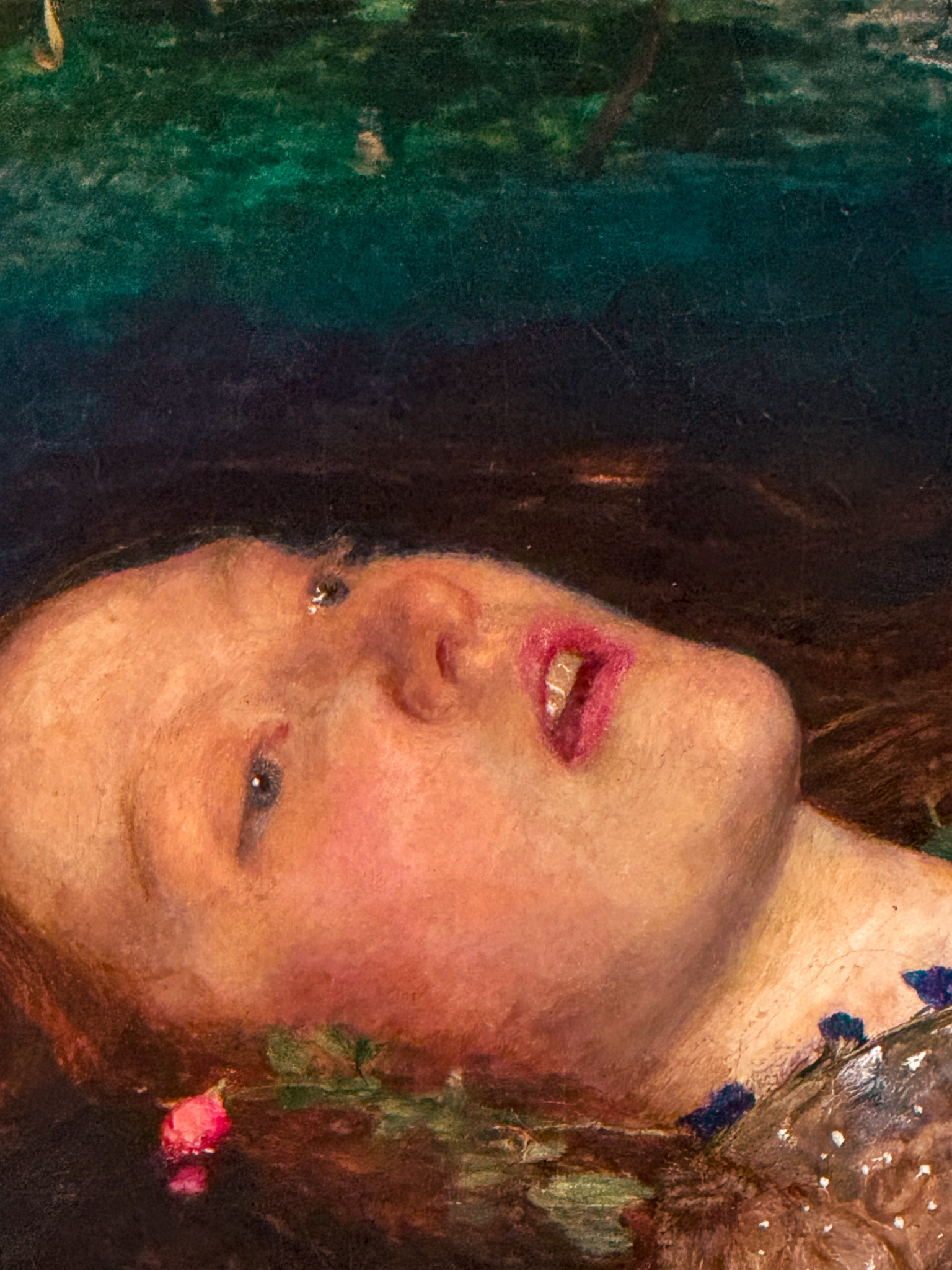
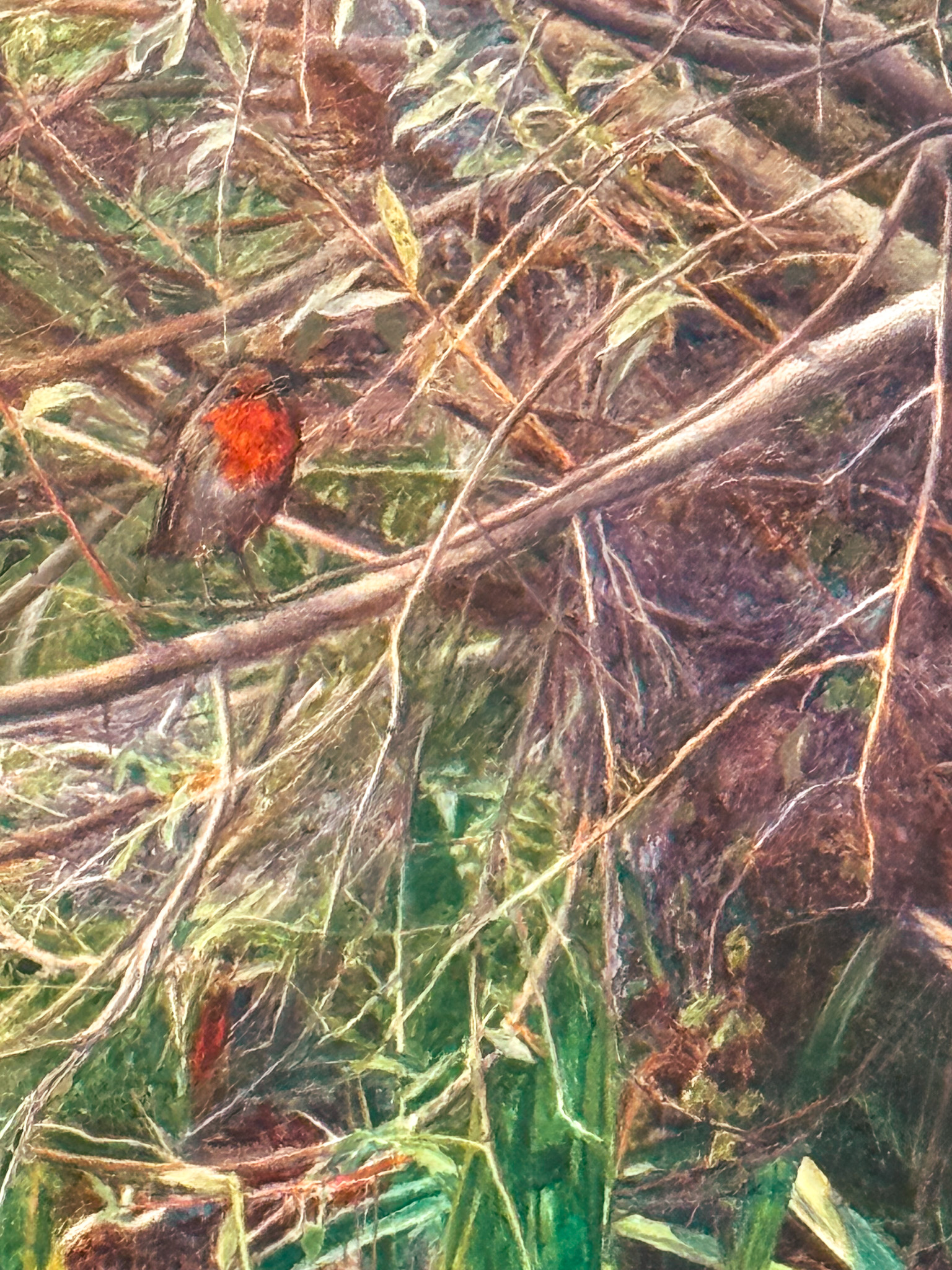
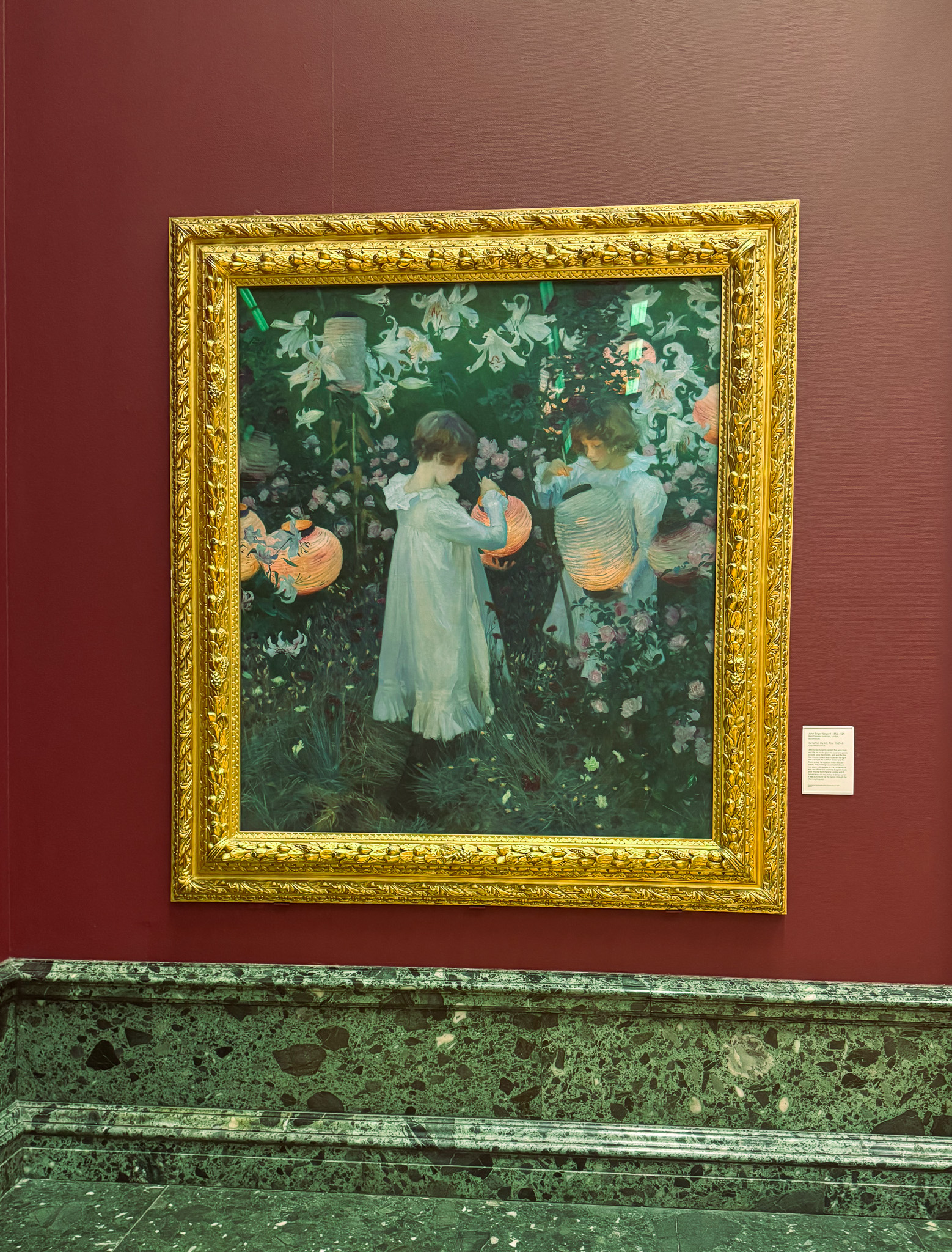
At Tate Britain, I stood before Turner’s turbulent skies and thought about how empire-makers loved two things: the seas they conquered and the storms they survived. And then there was Ophelia, suspended mid-drown in a frame of green and flowers, her open mouth almost singing—drenched in beauty, tragedy, and a river that never existed quite like this. In the other rooms, portraits of men in frock coats gazed past me as though I were the interruption. The labels on the walls now include the words “colonial wealth” and “slave ownership”—a small reckoning, like a cough during a sermon.
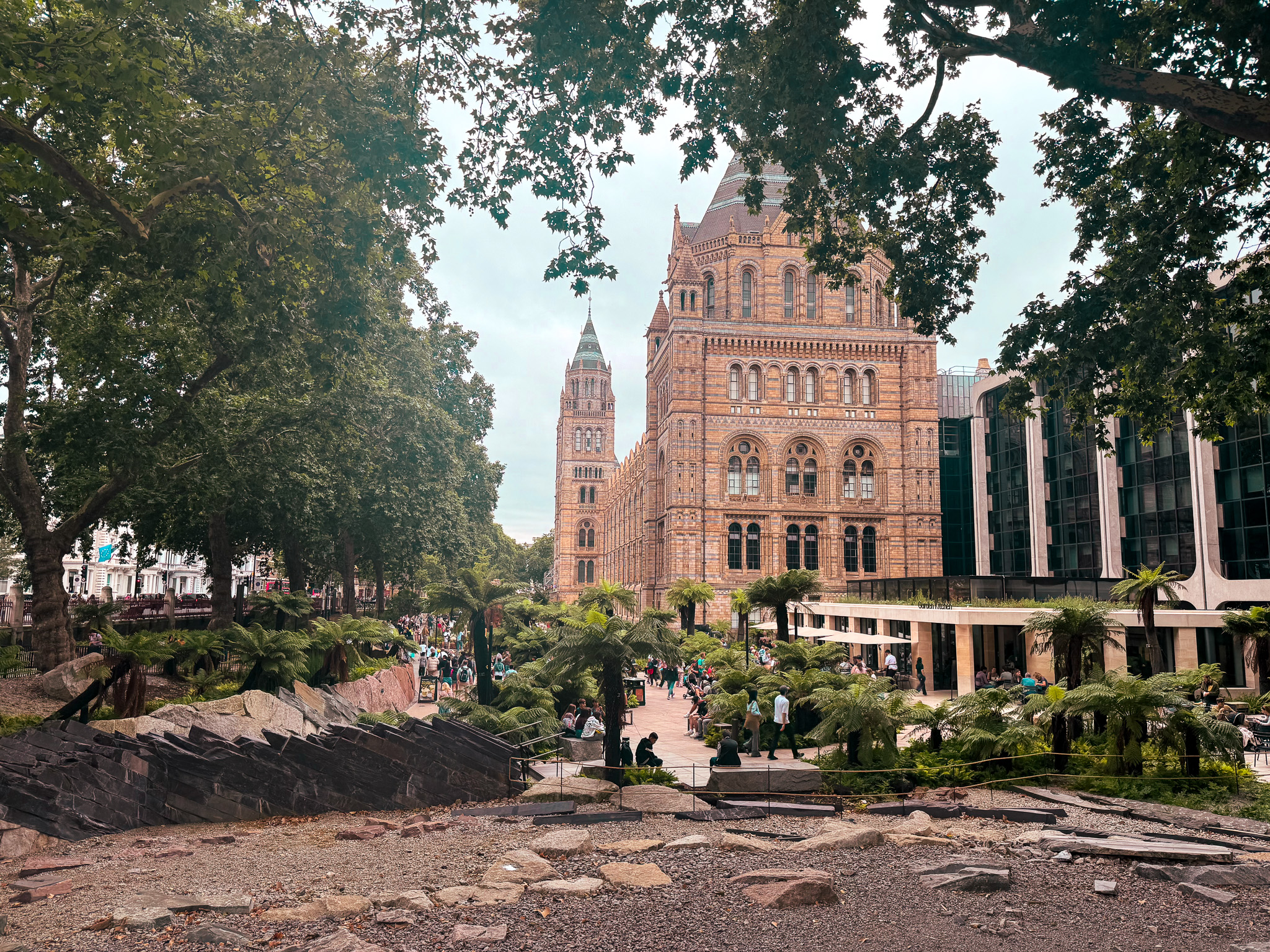
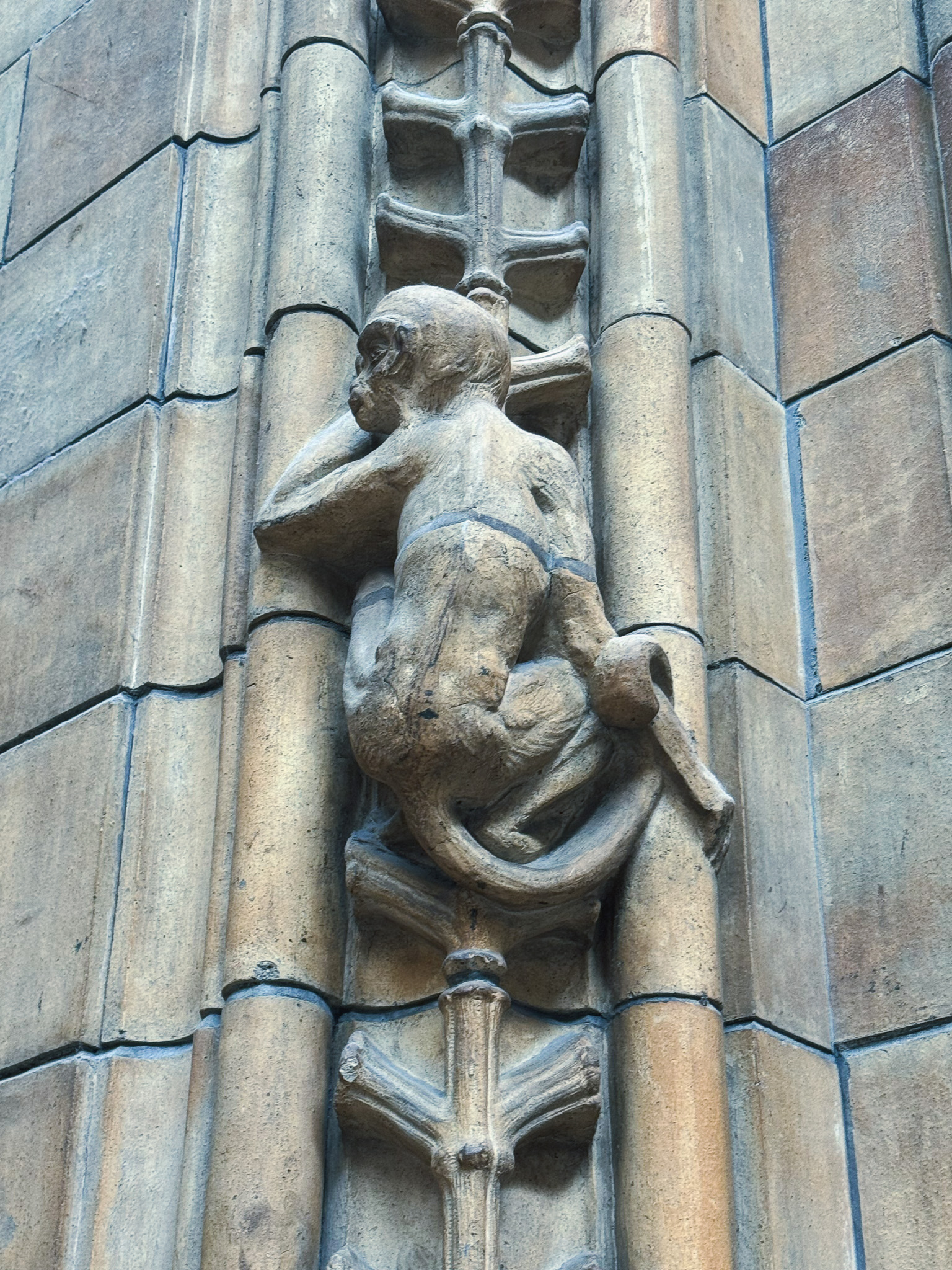
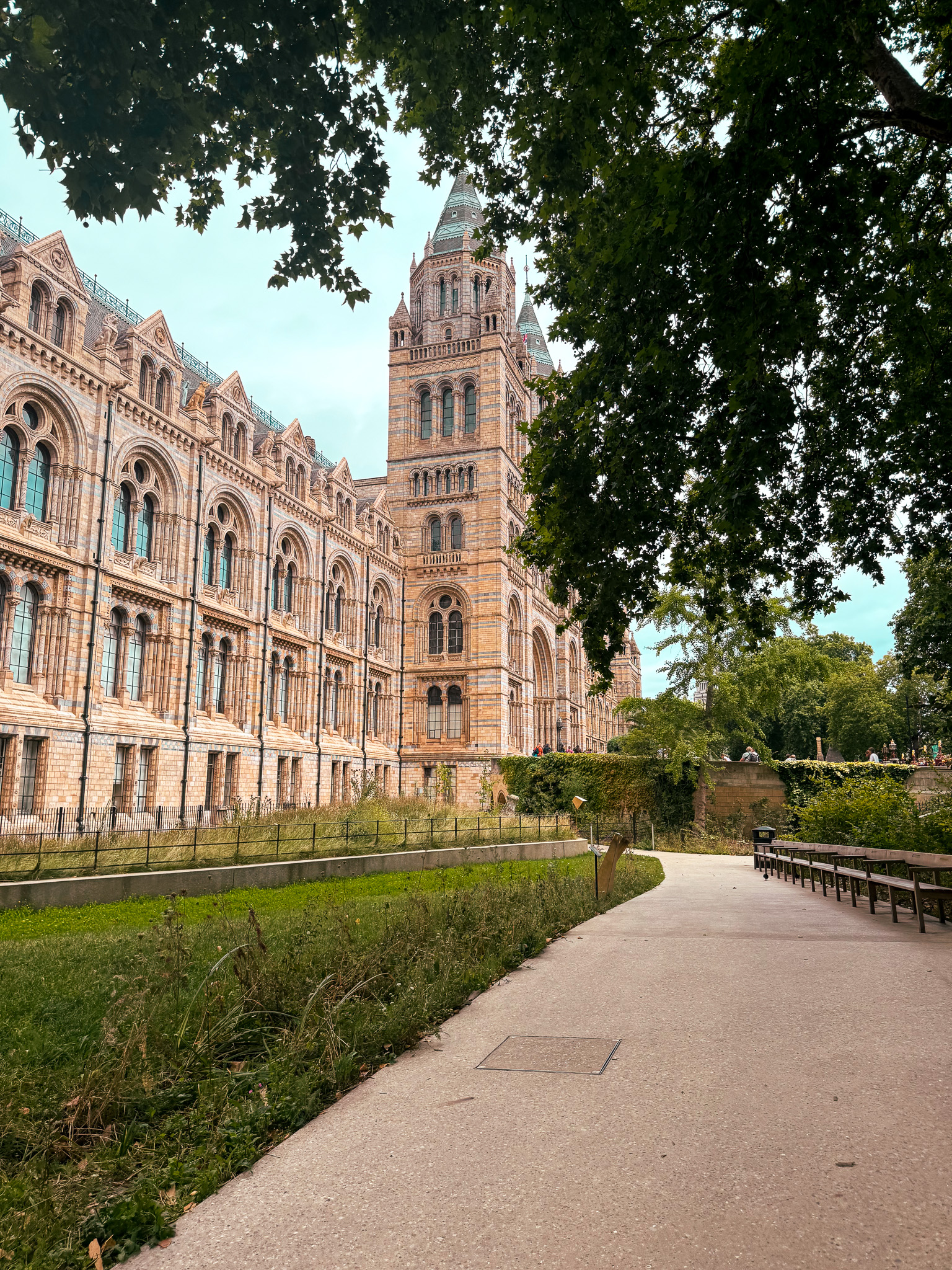
I came here to meet the living—family and friends—but the dead turned up too. They always do in London. They hover in the domed halls of the Natural History Museum, among the marble whales and taxidermied birds collected from corners of the world that had no say in the matter. The light slants through the glass ceiling like an old colonial gaze—warm, searching, claiming.
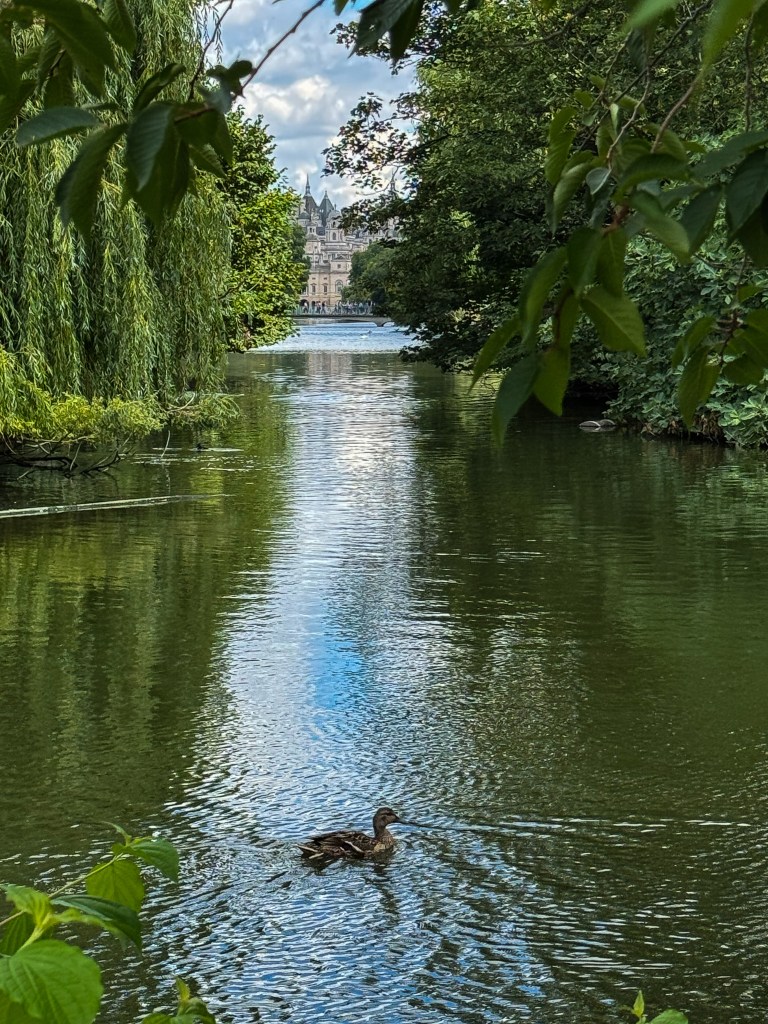
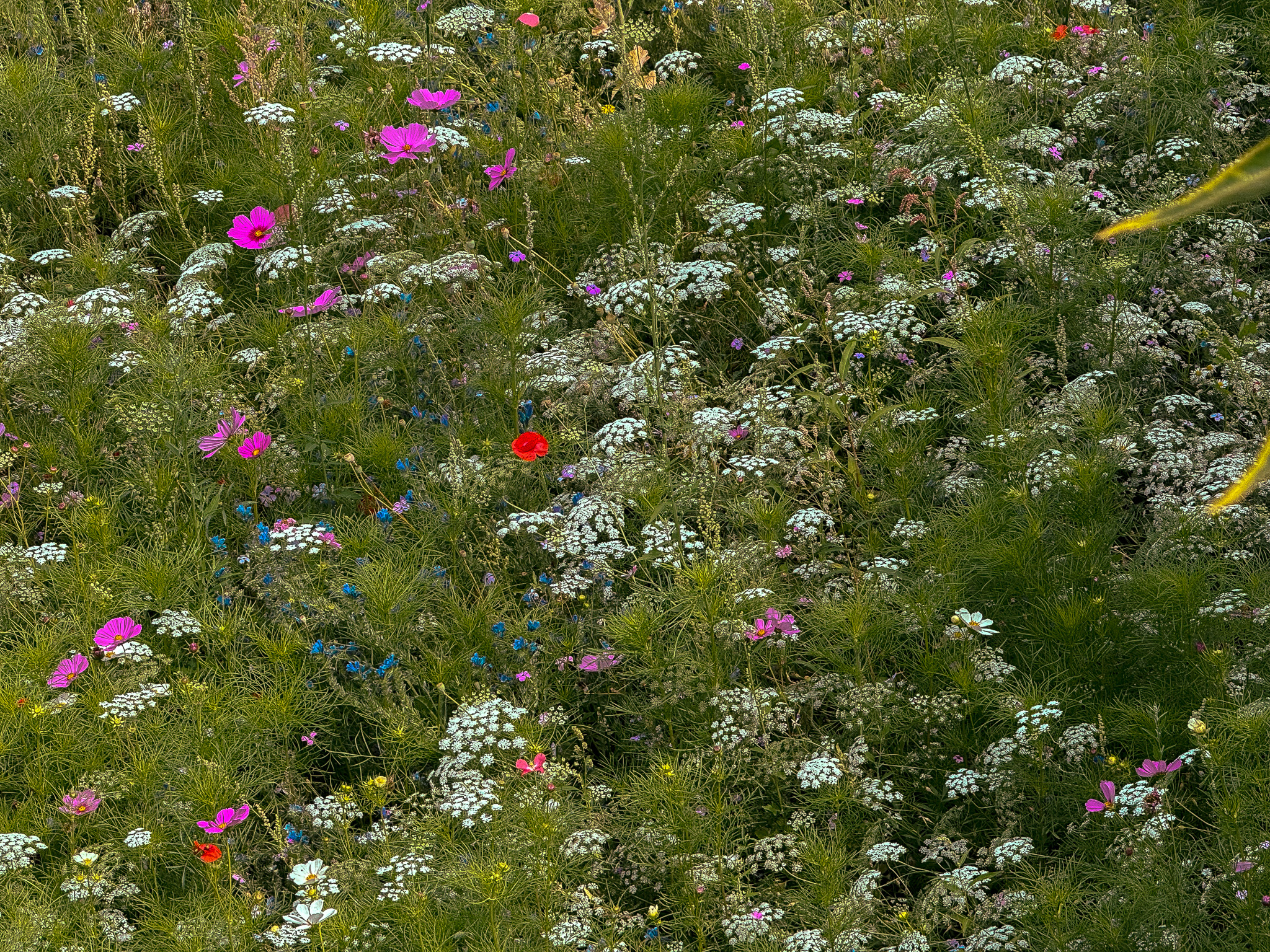
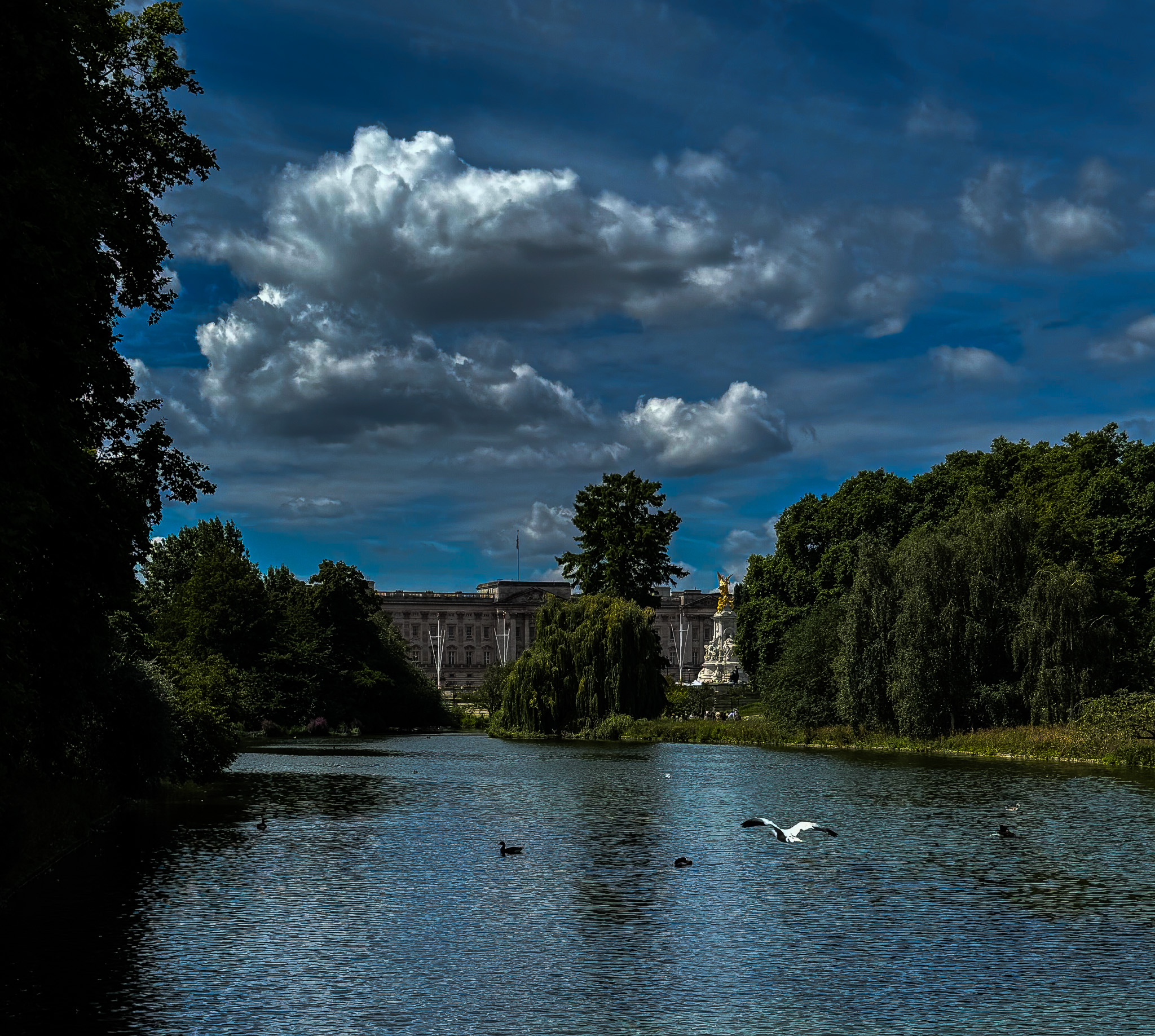
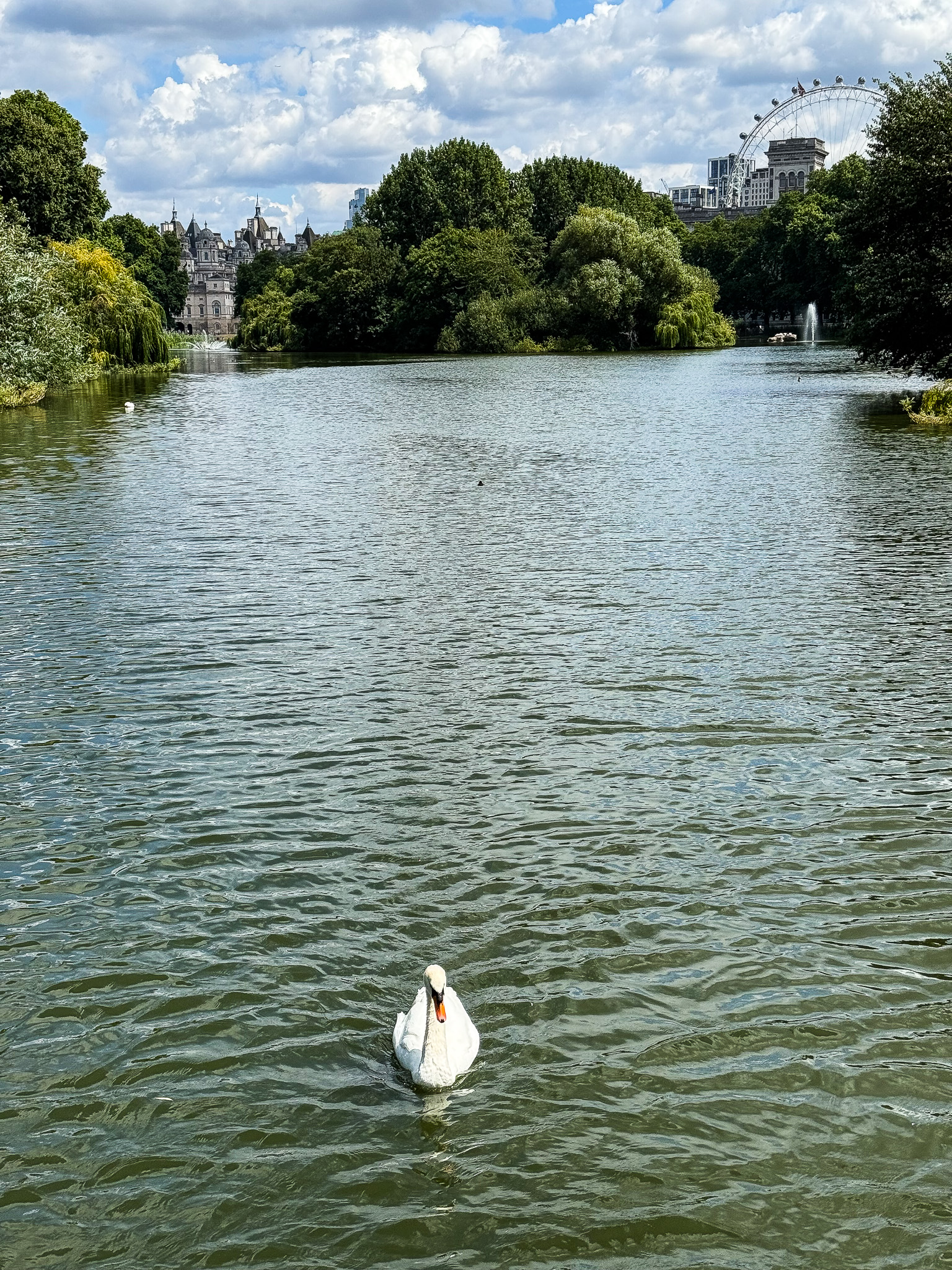
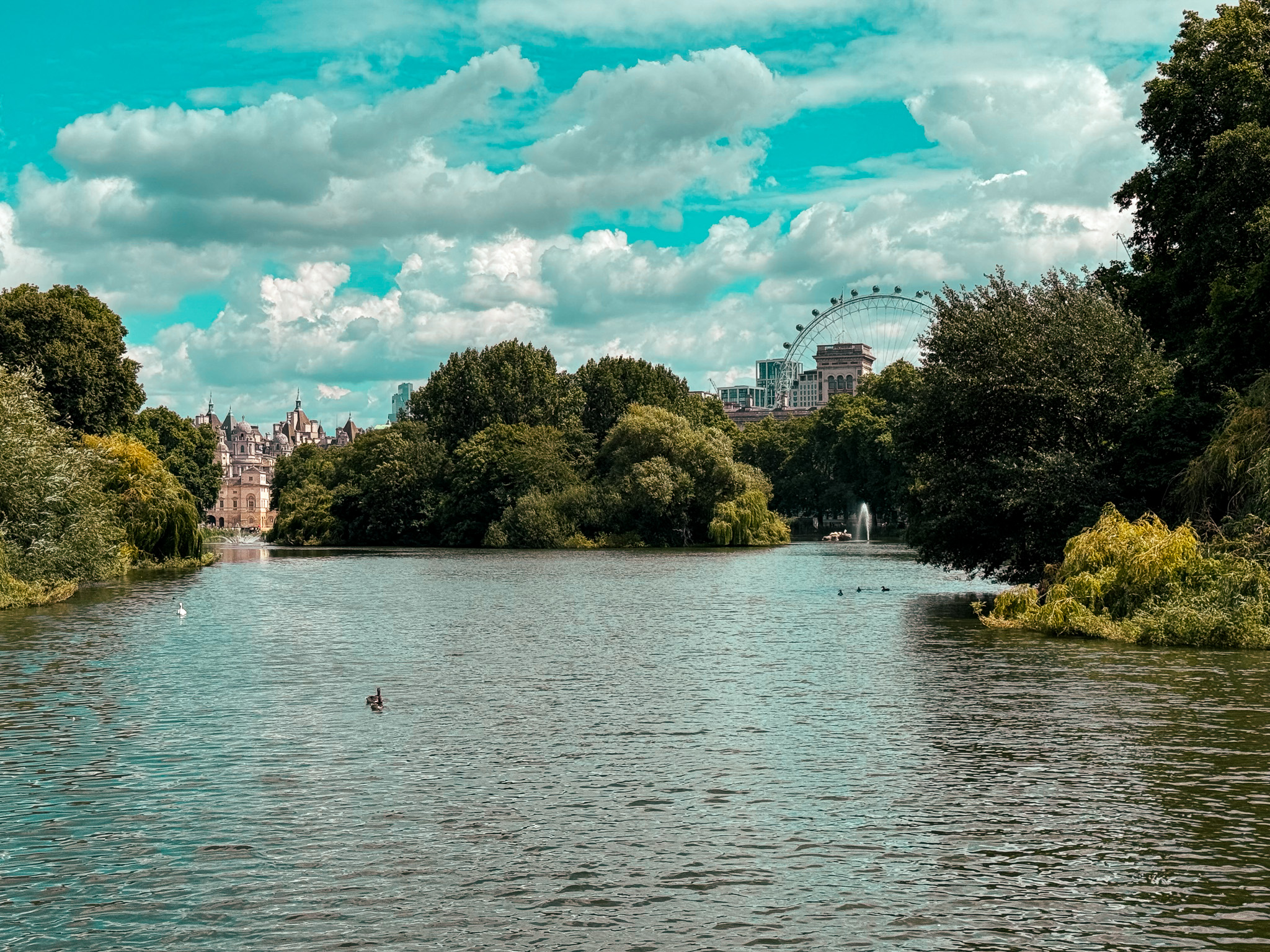
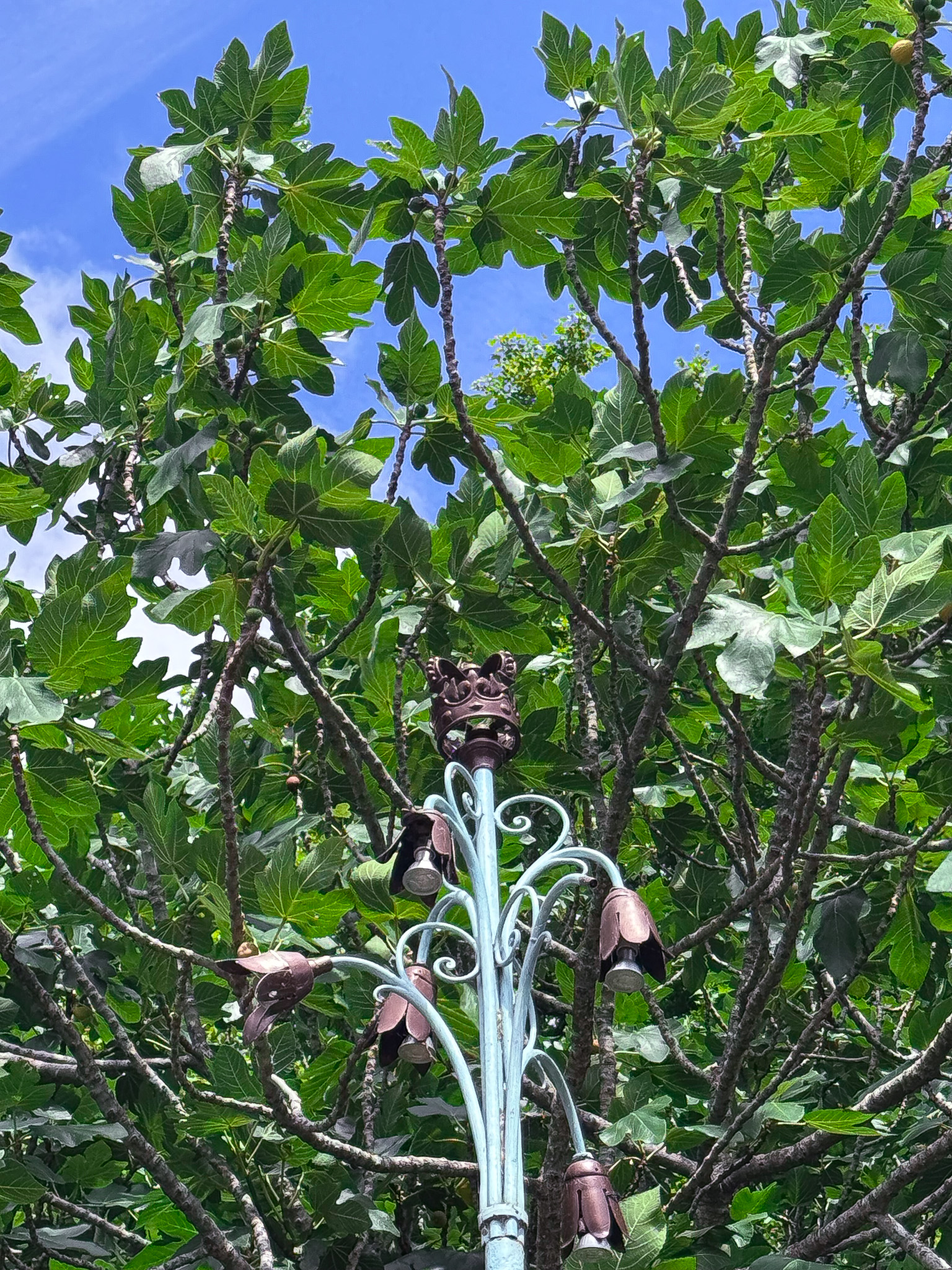
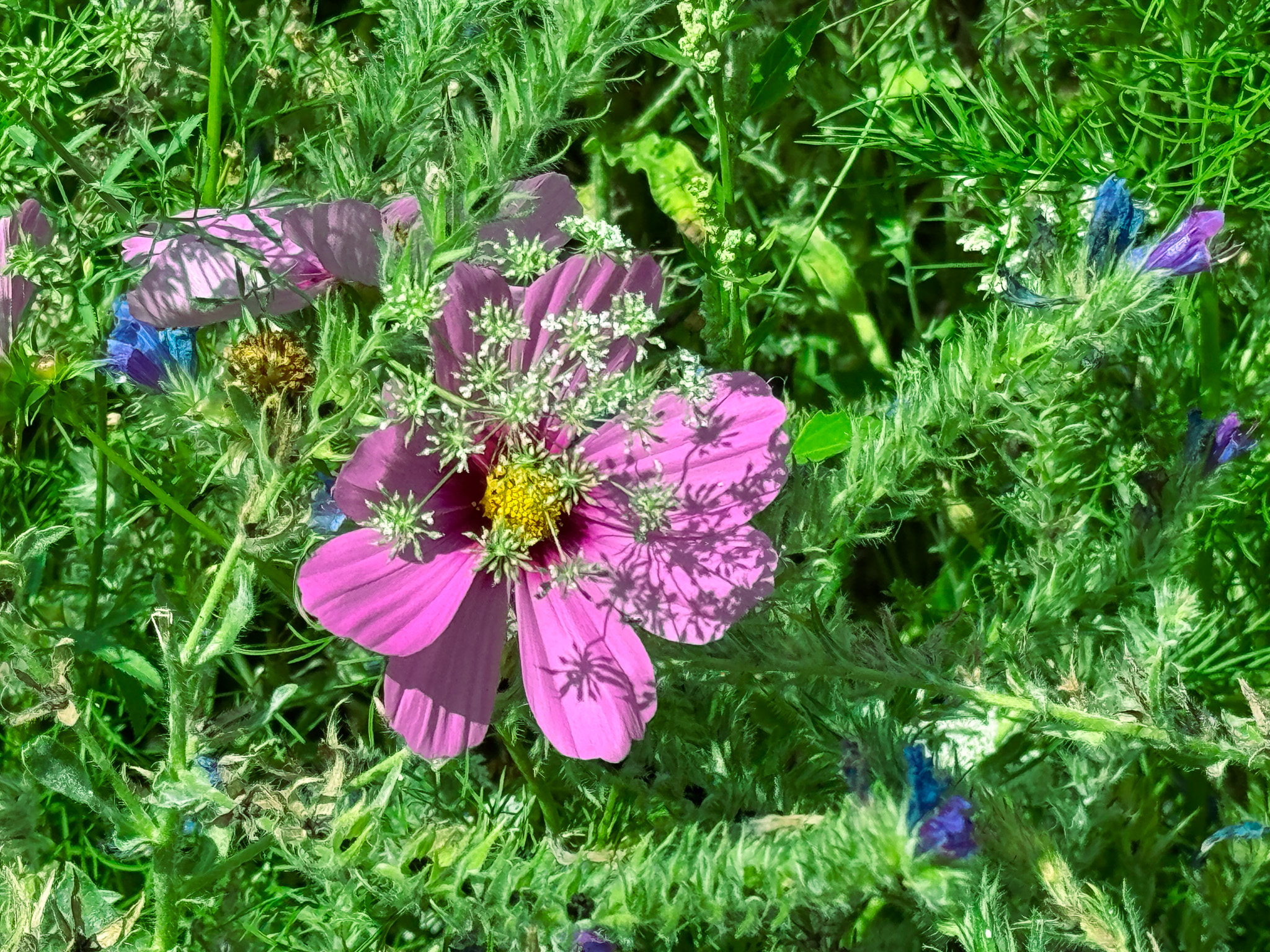
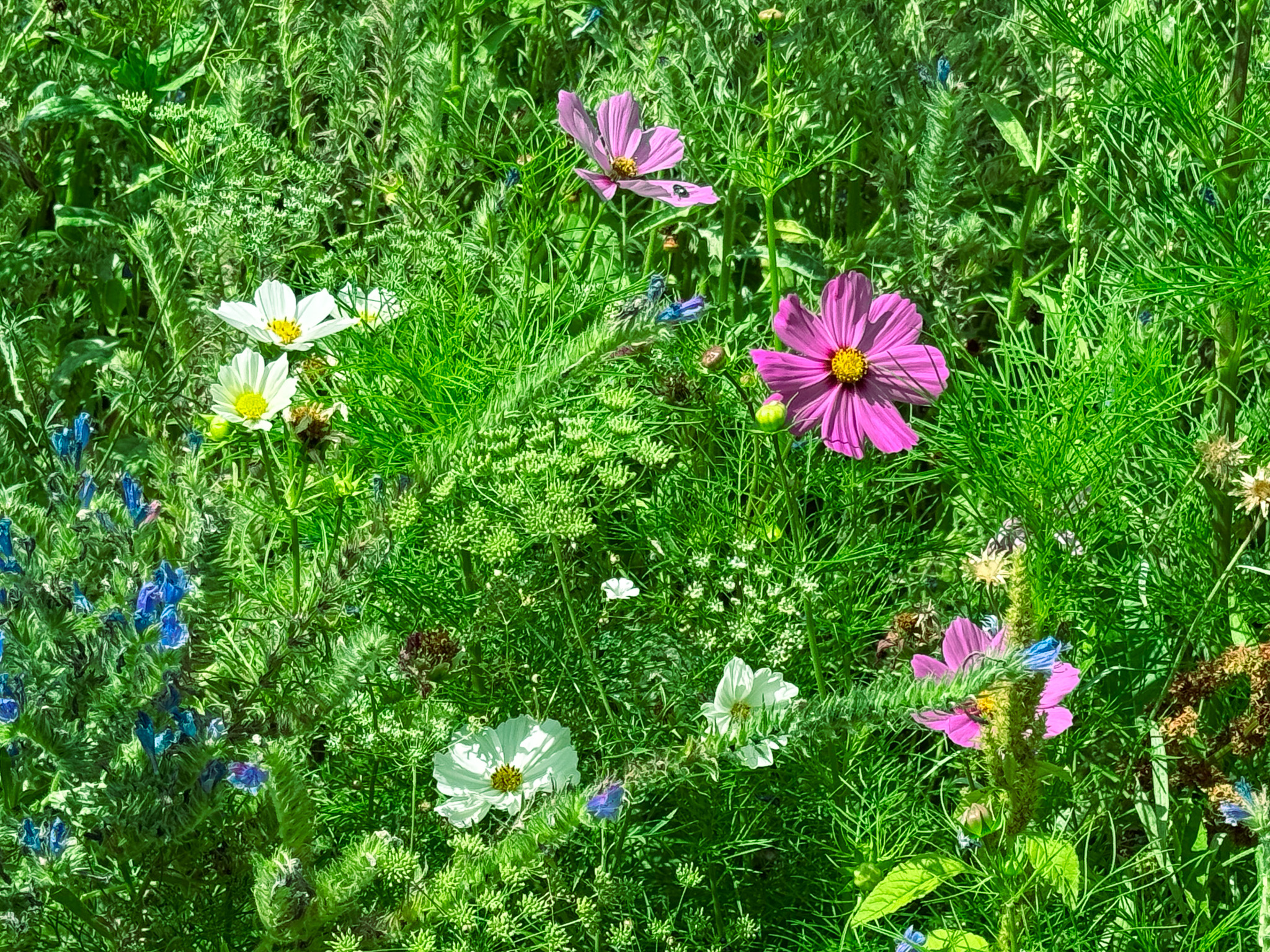
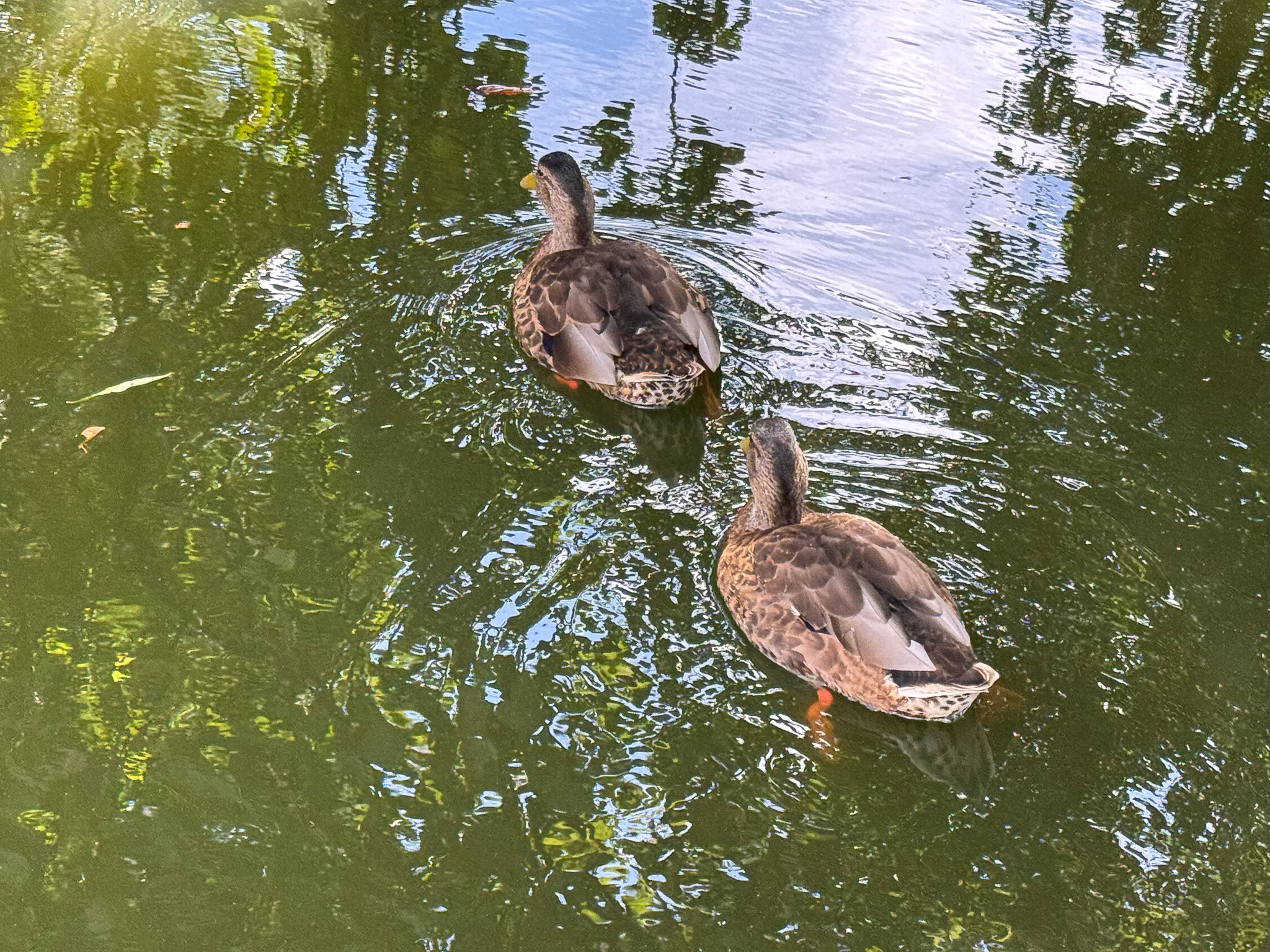
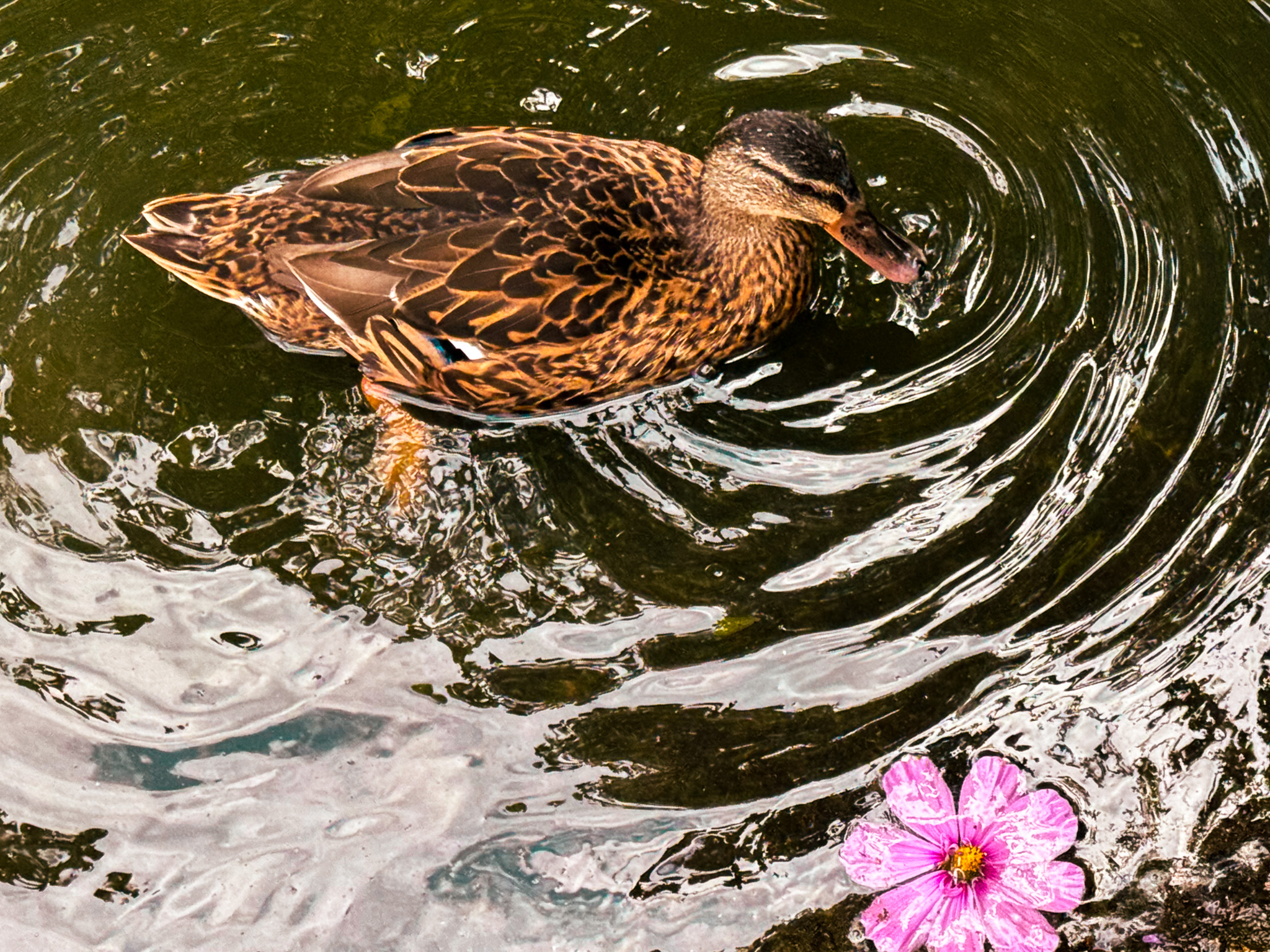
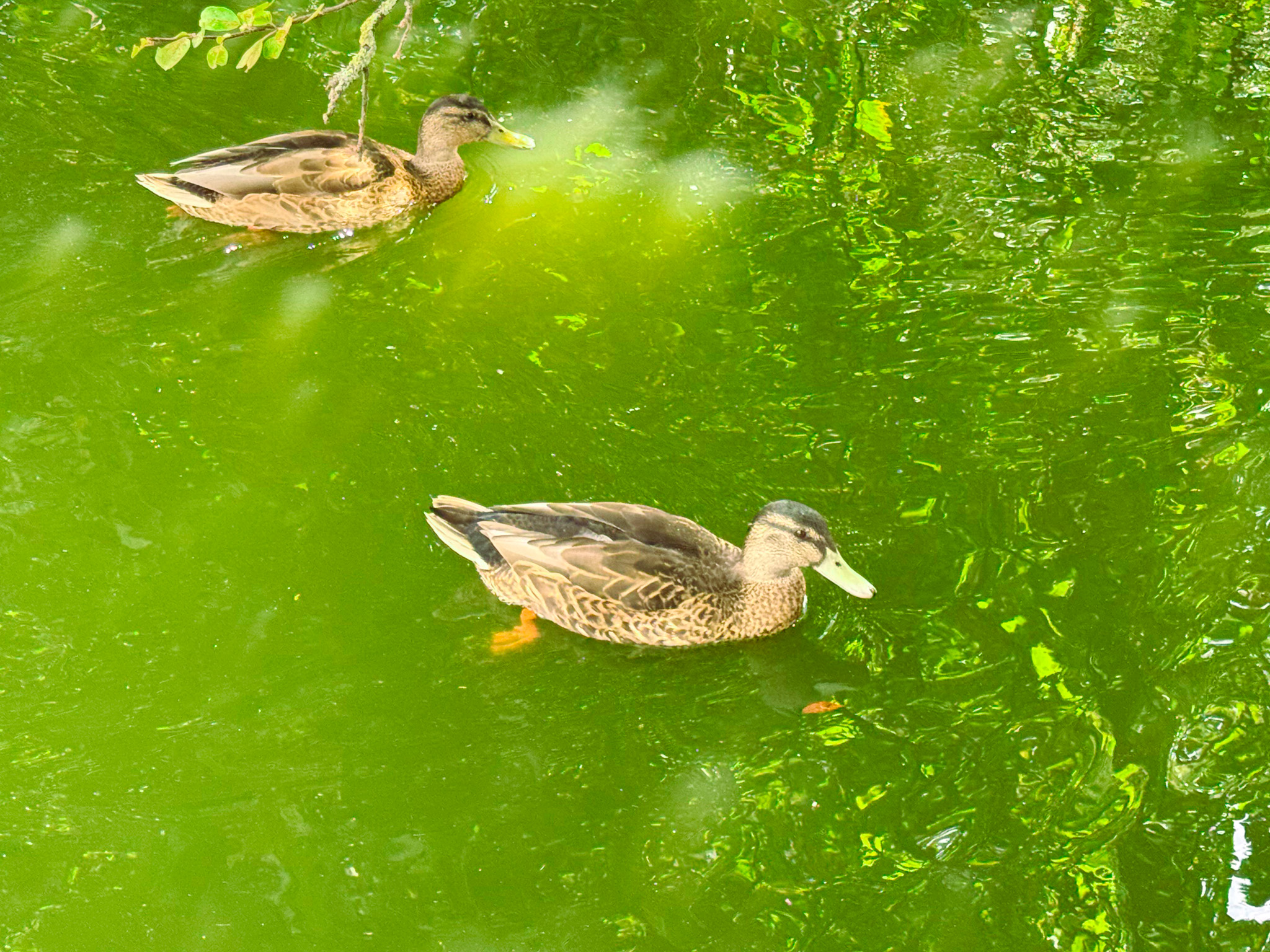
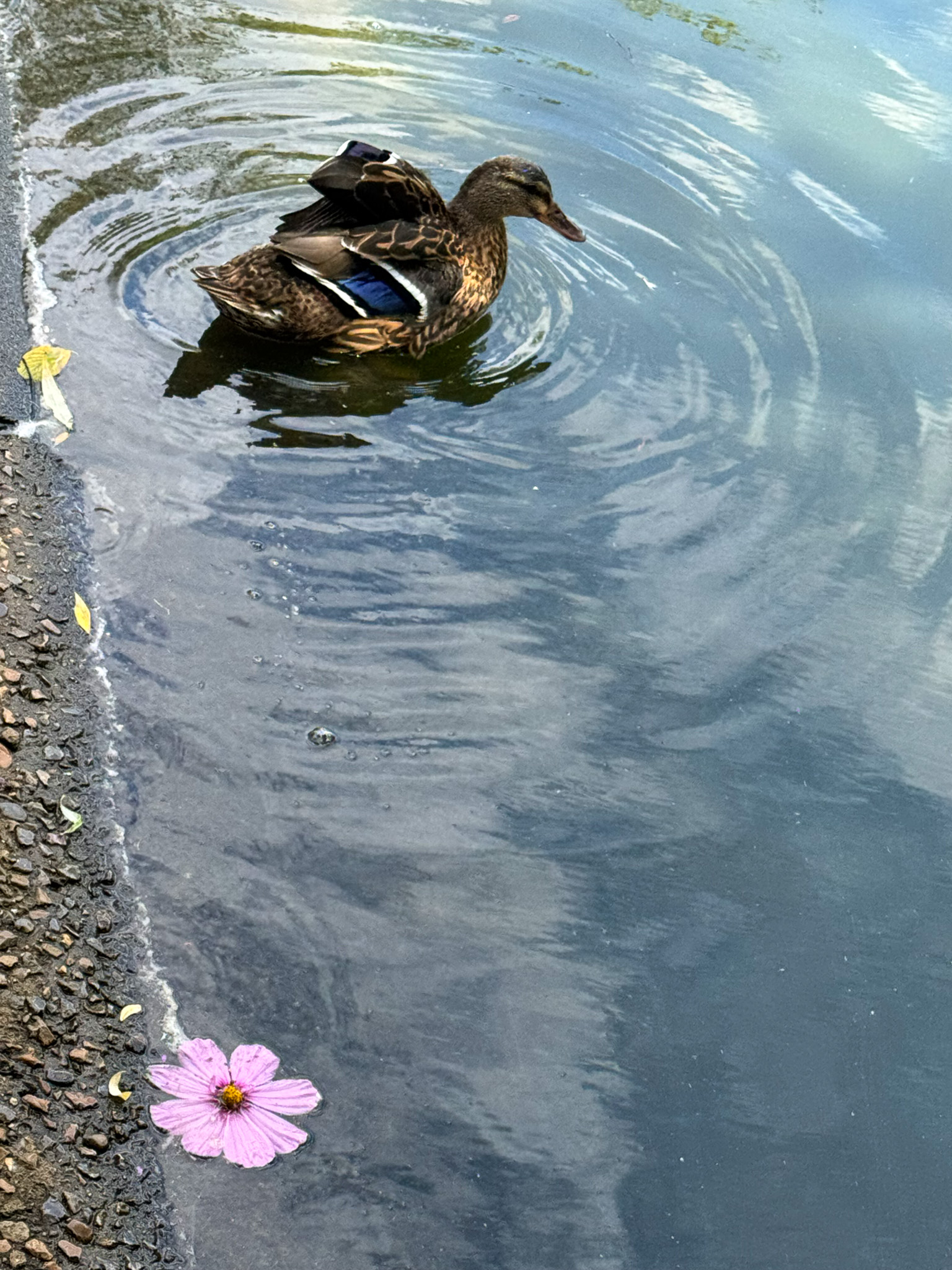
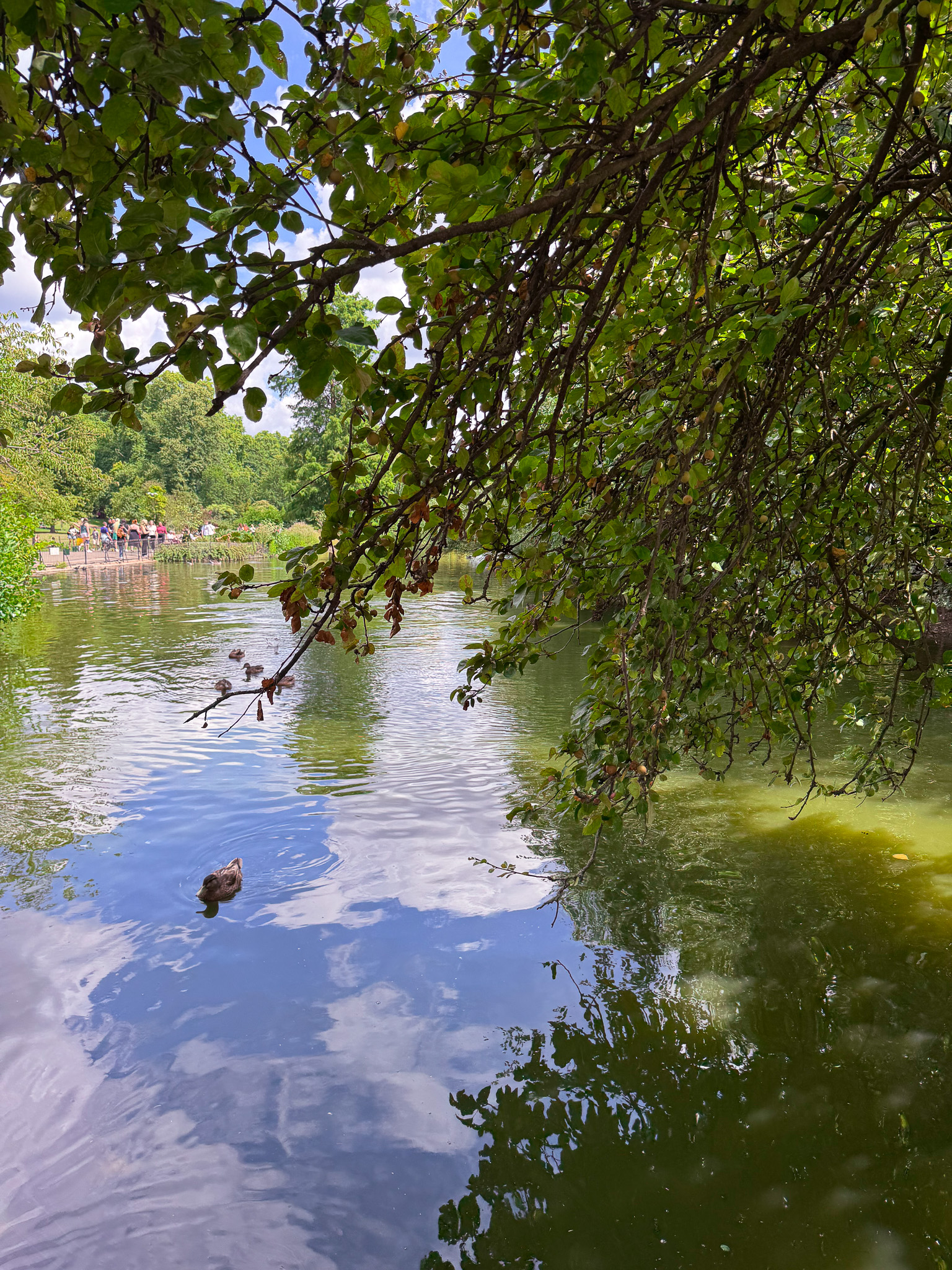
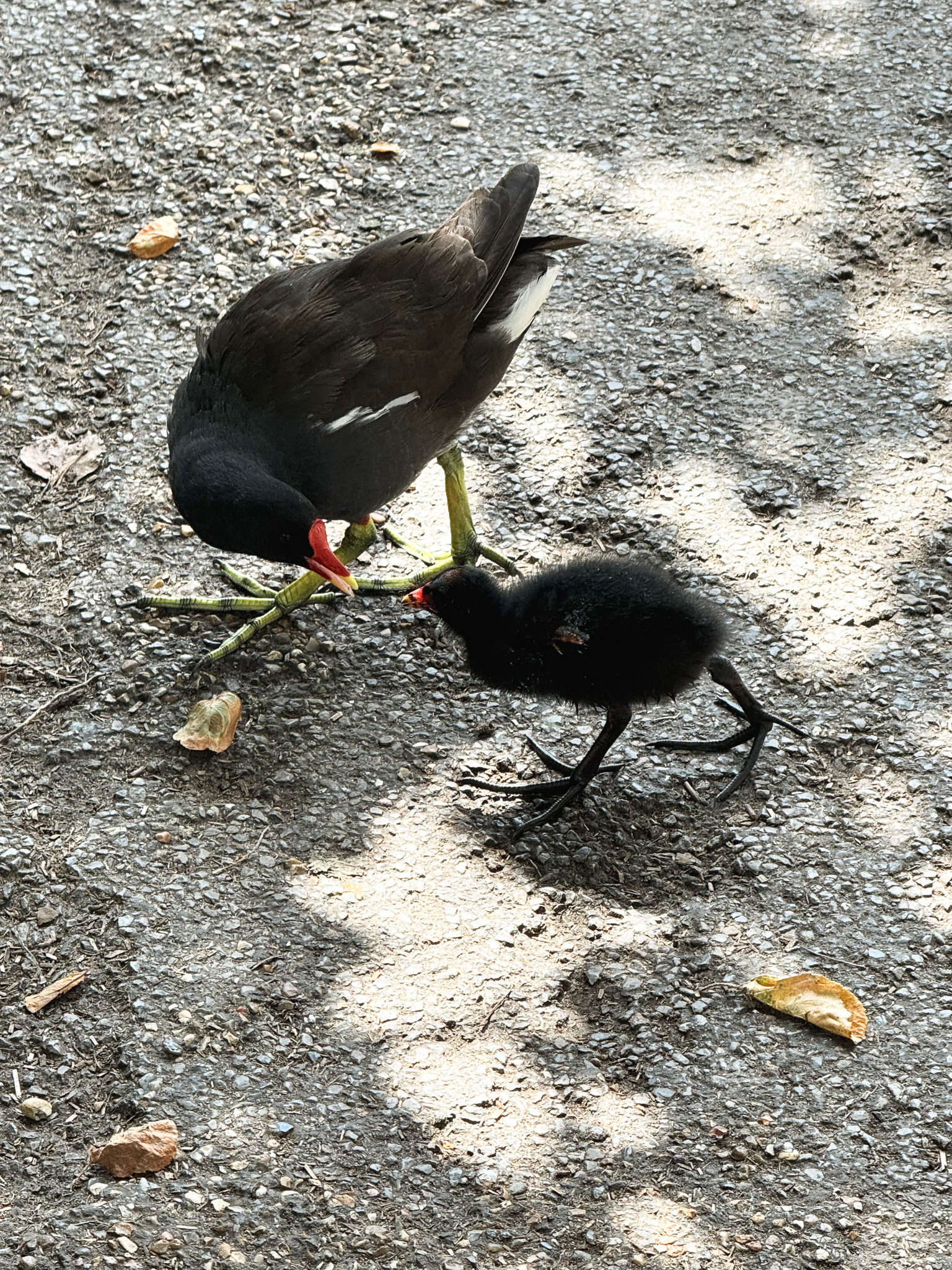
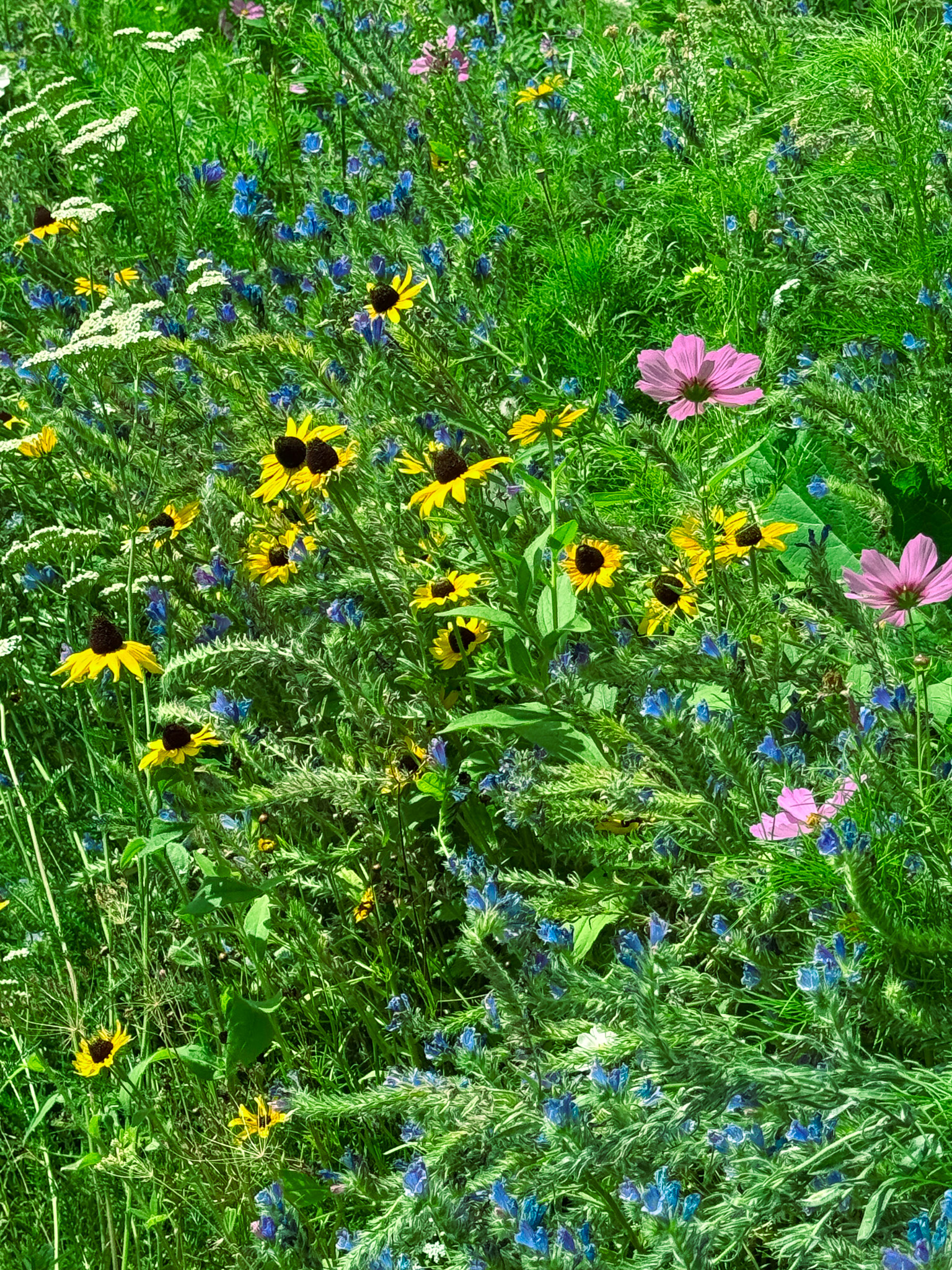
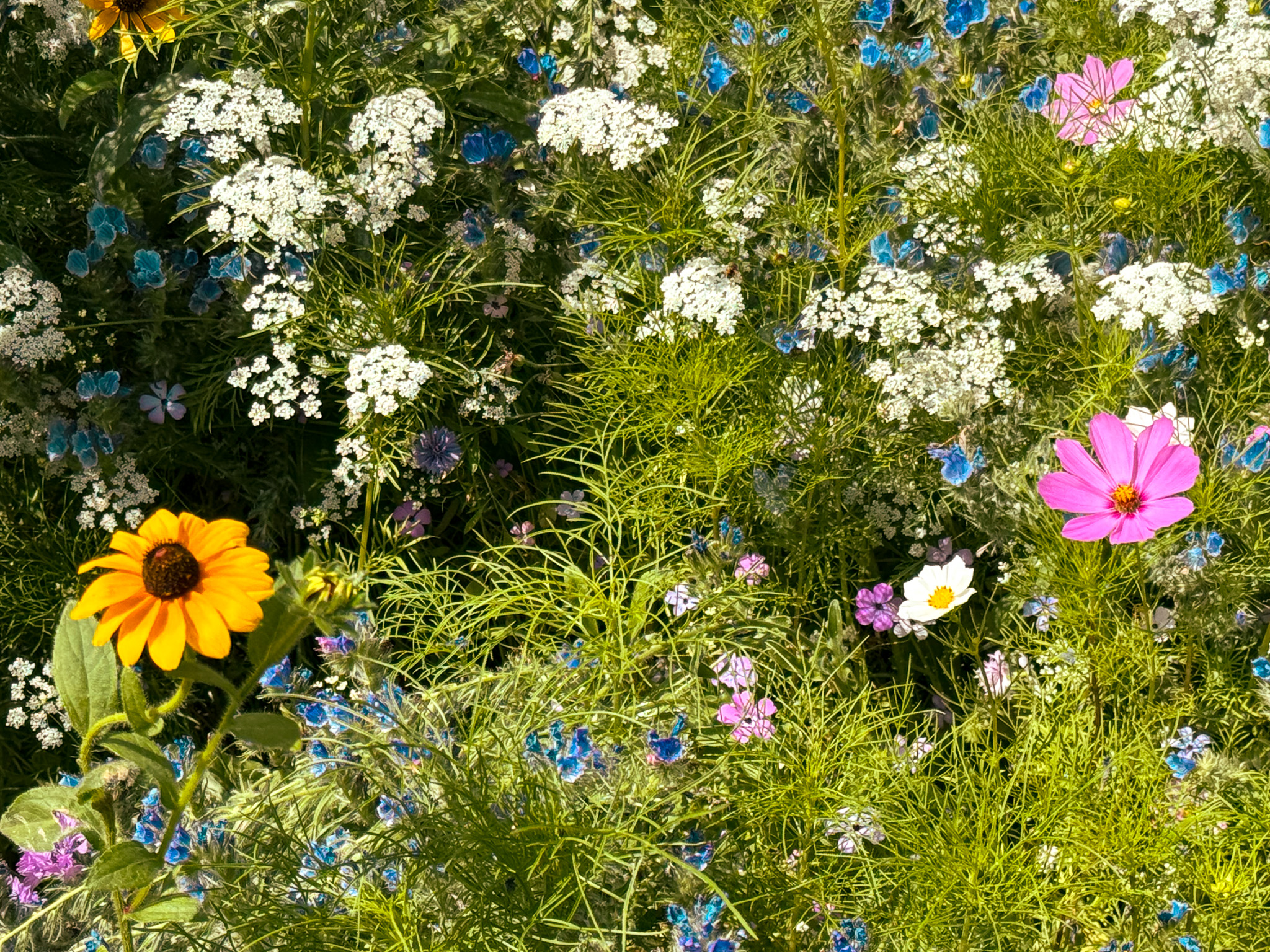
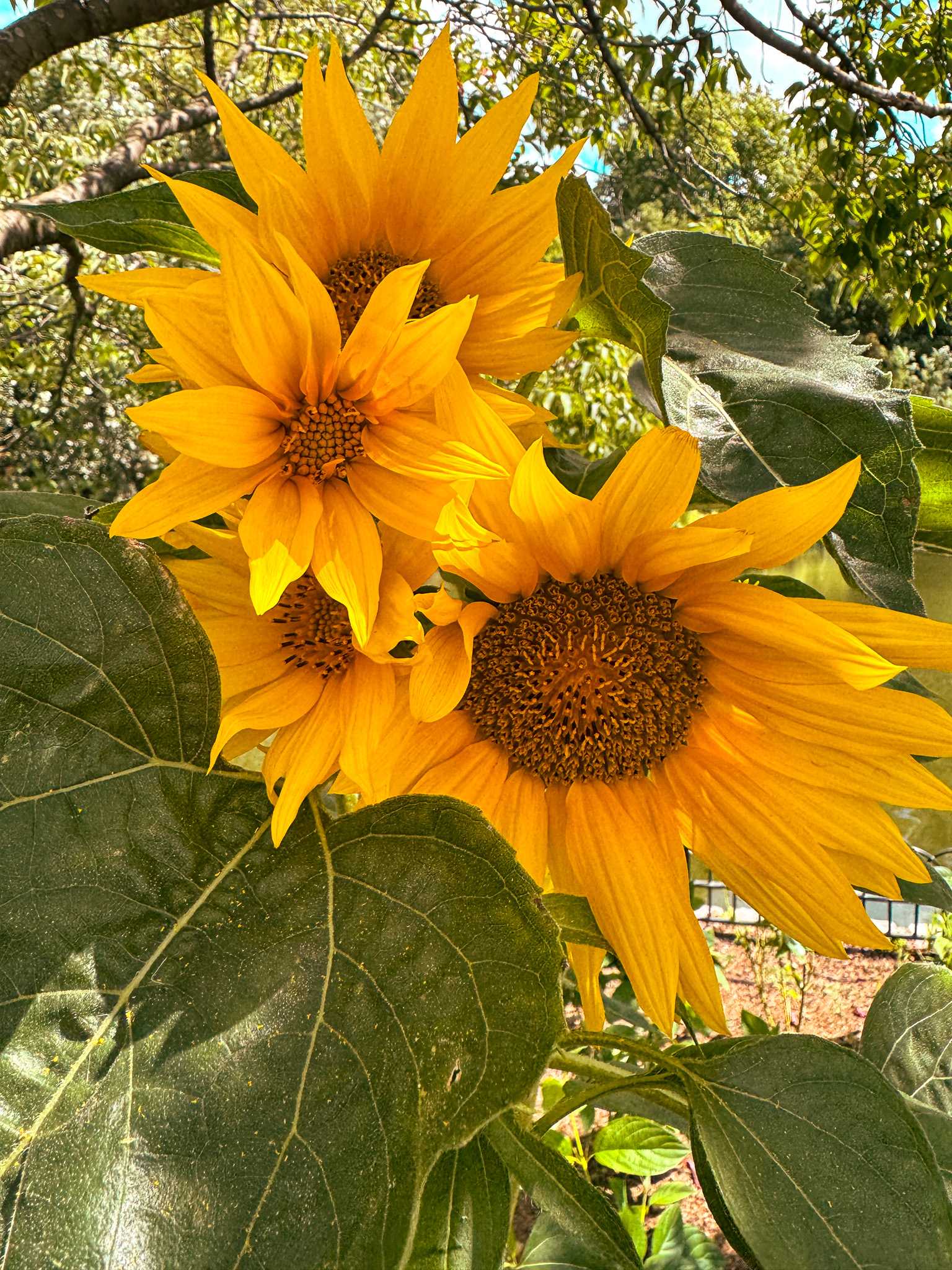
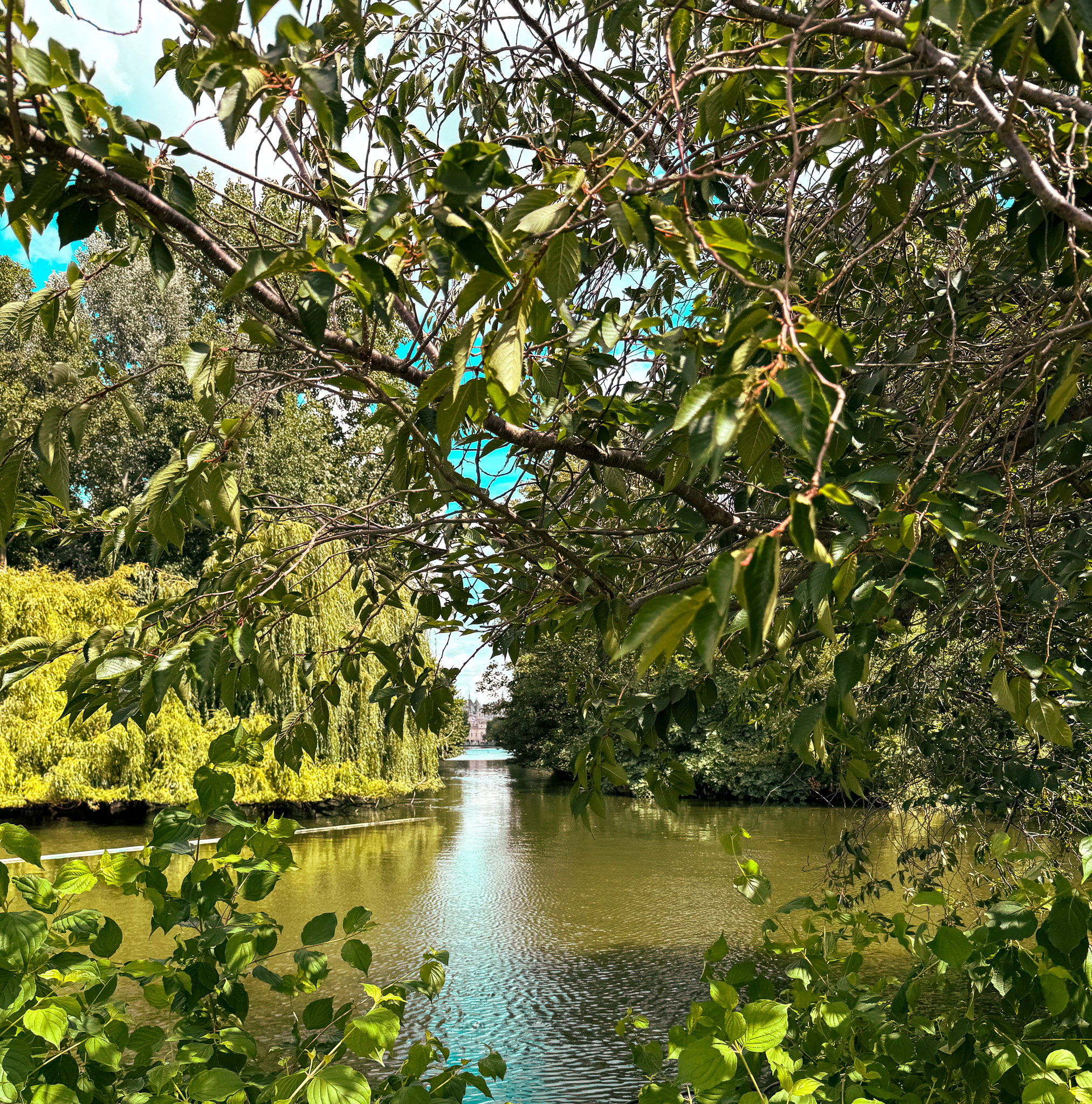
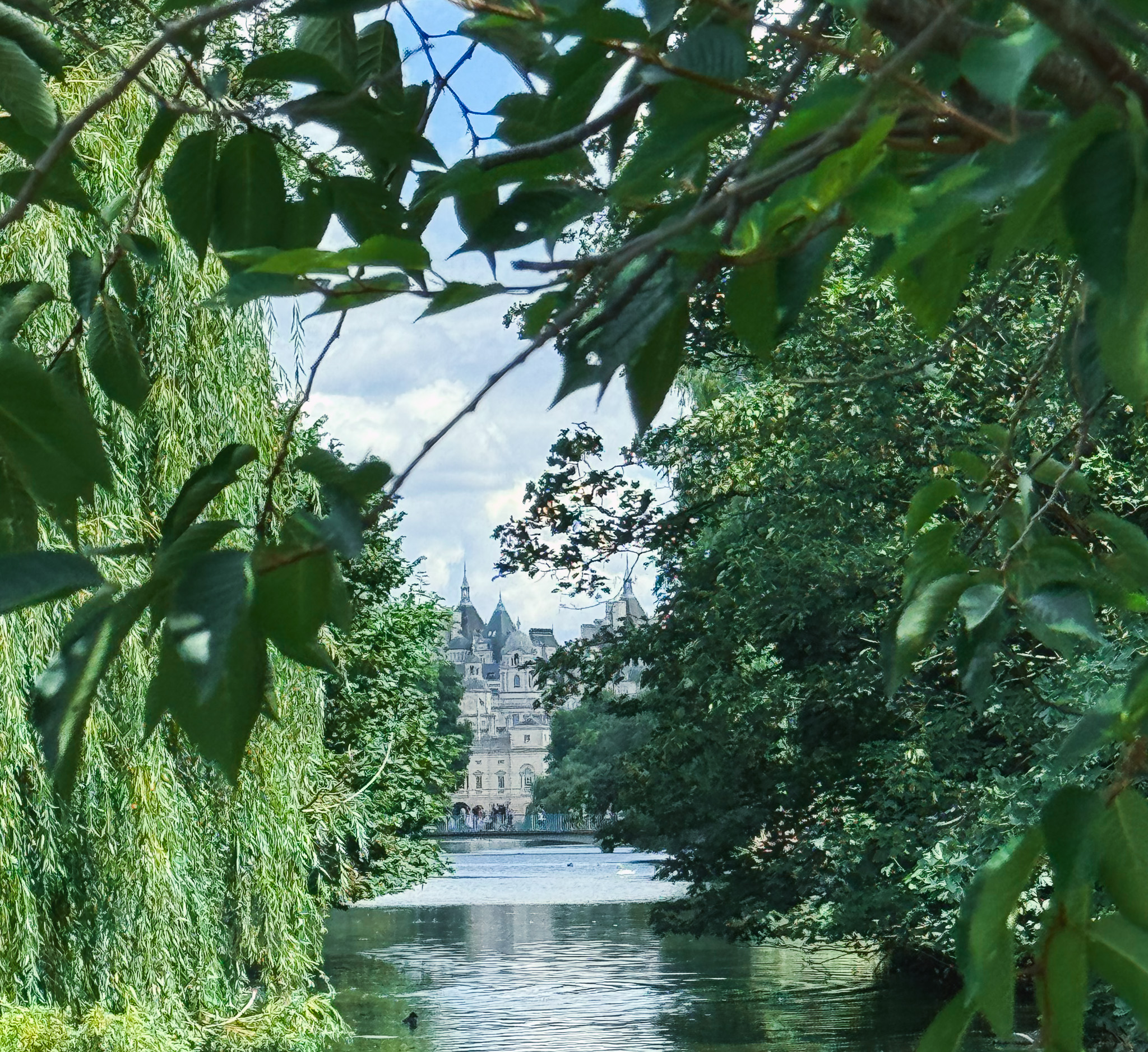
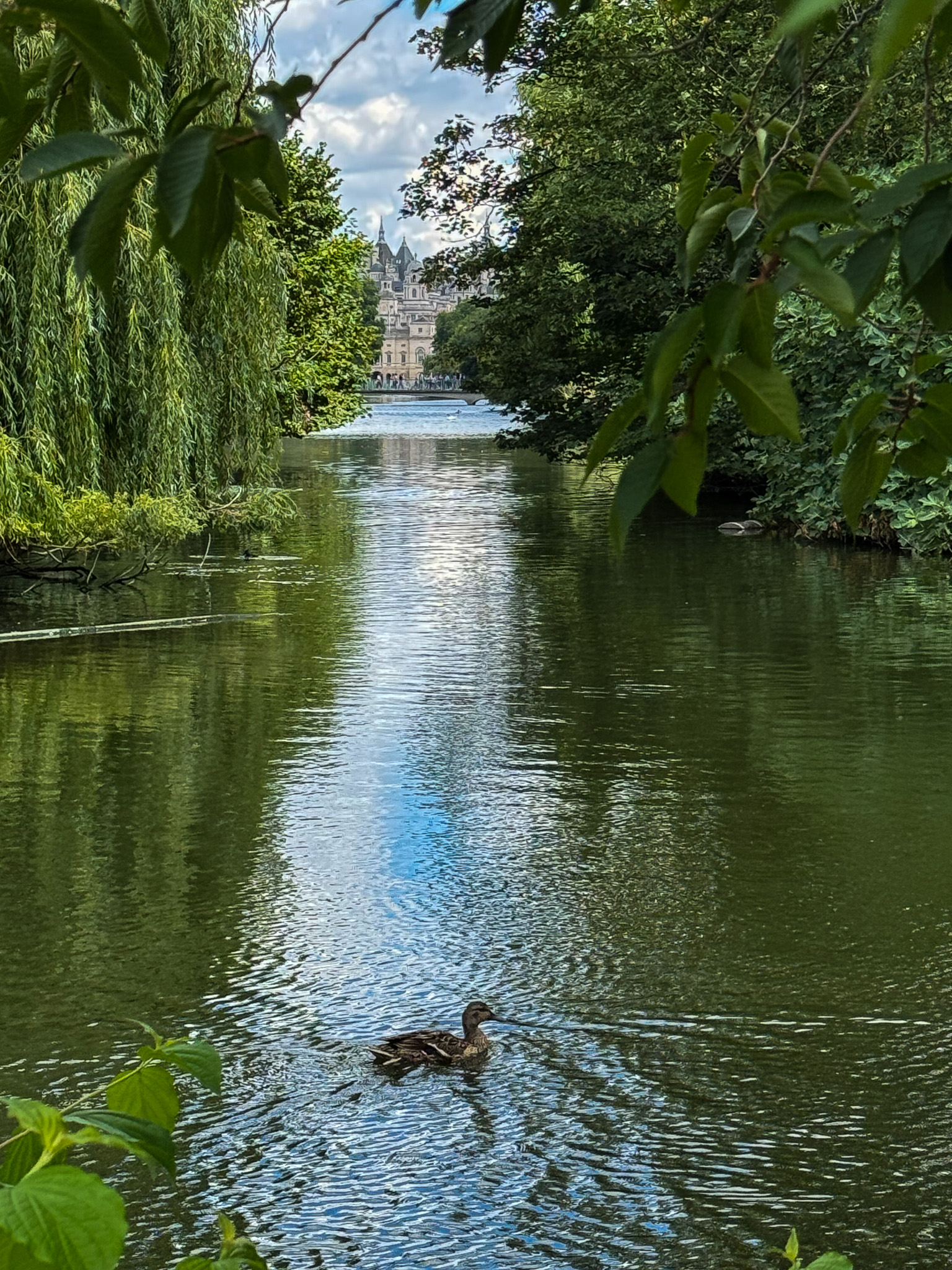
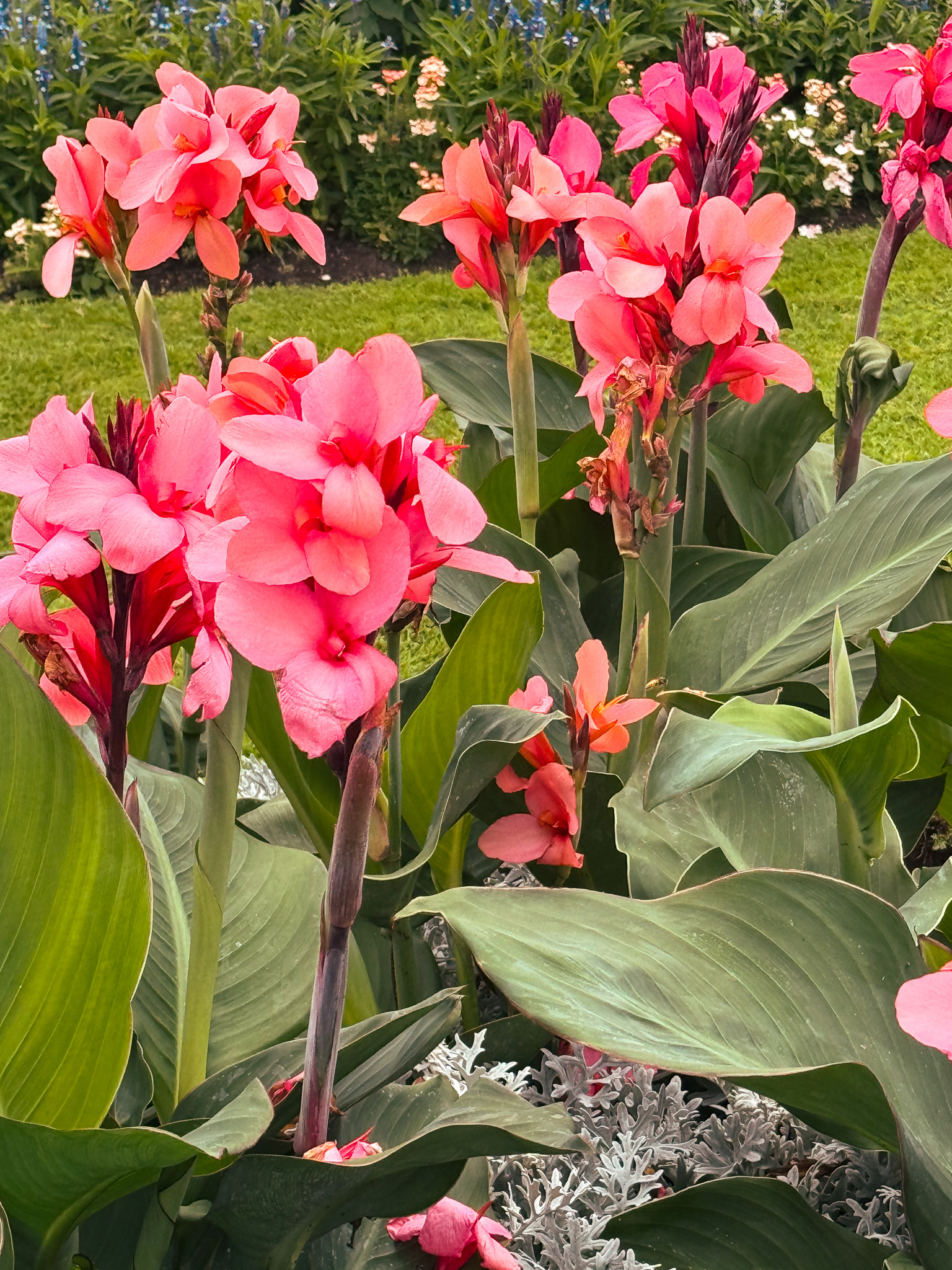
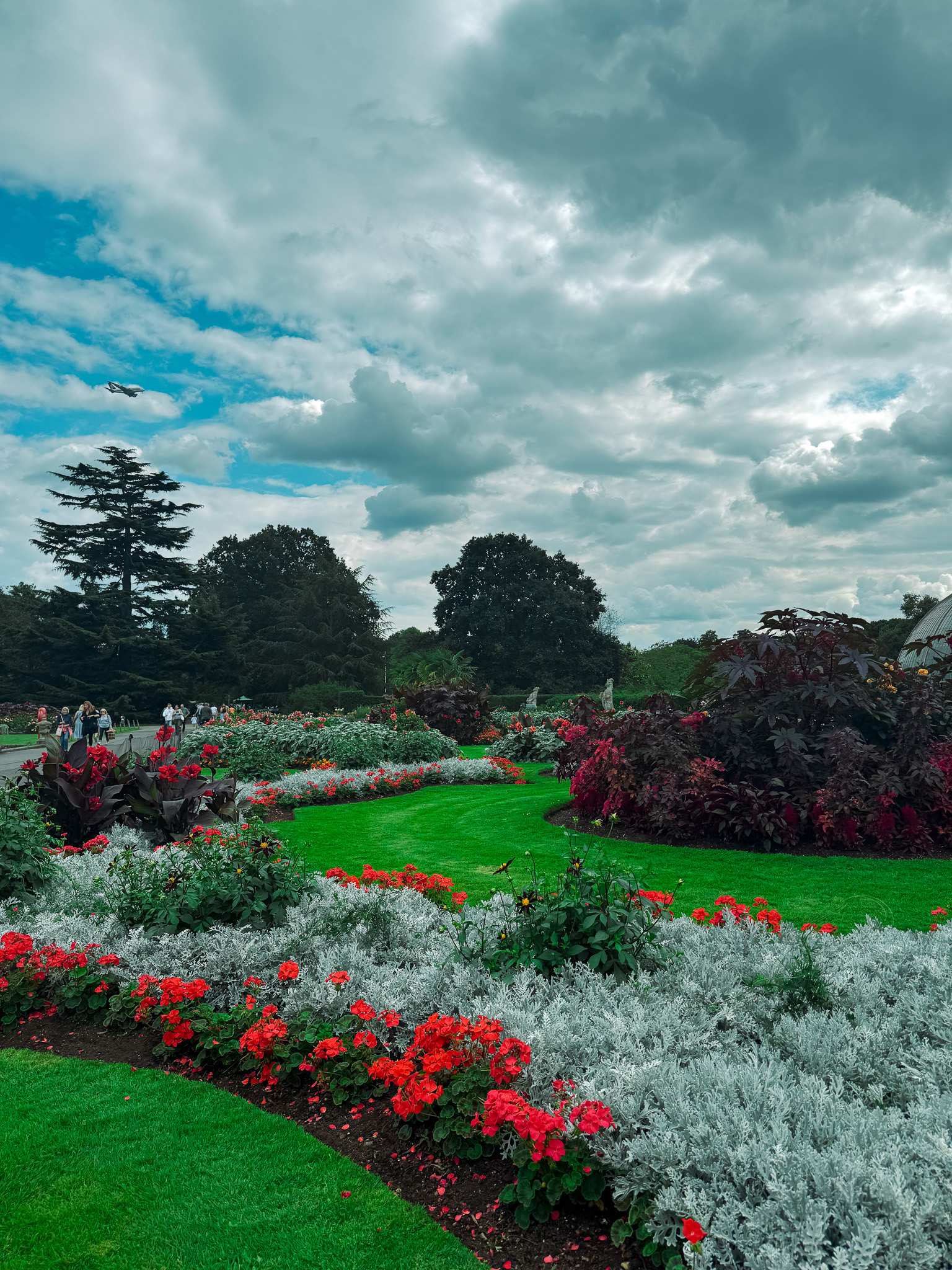
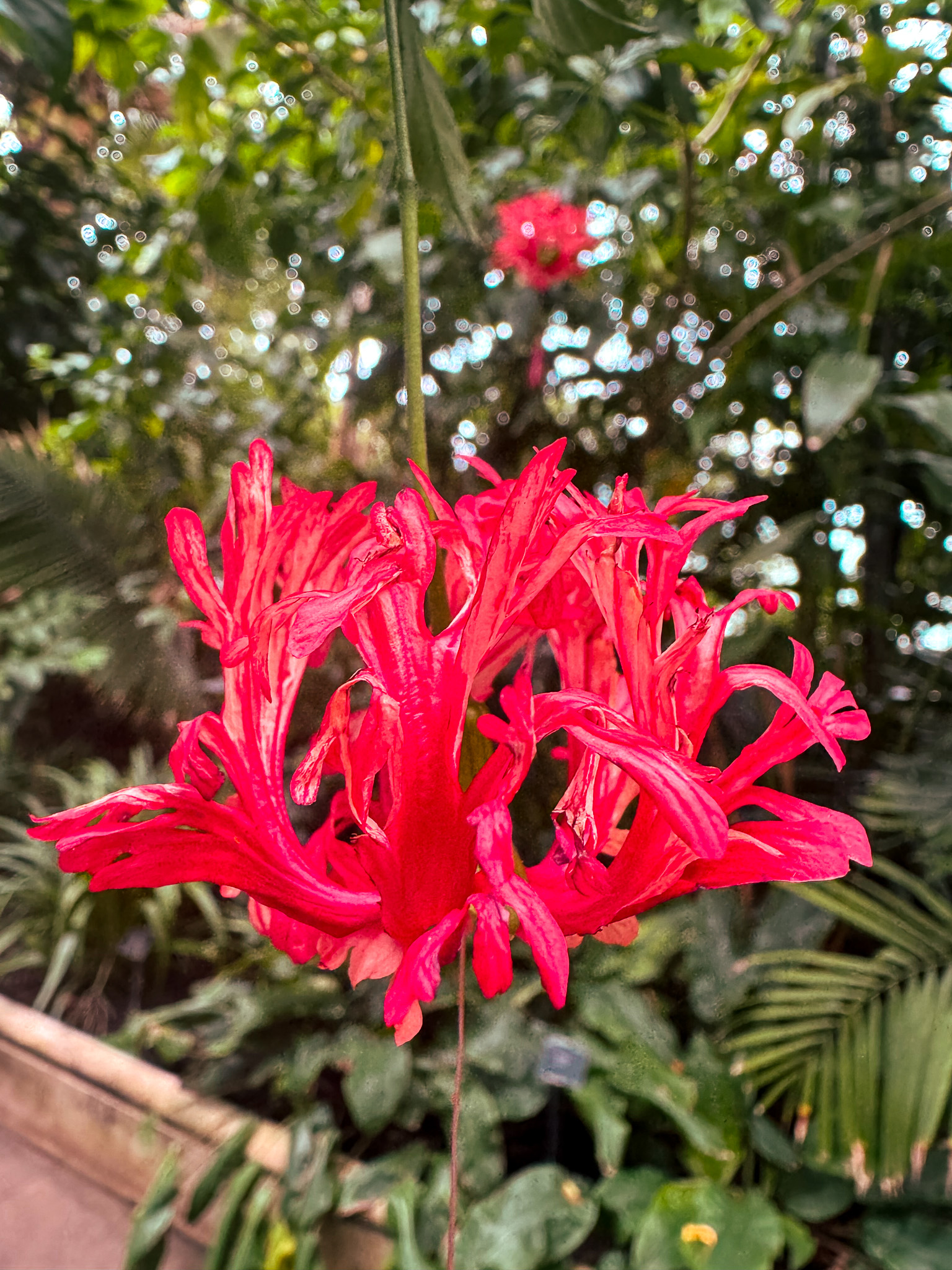
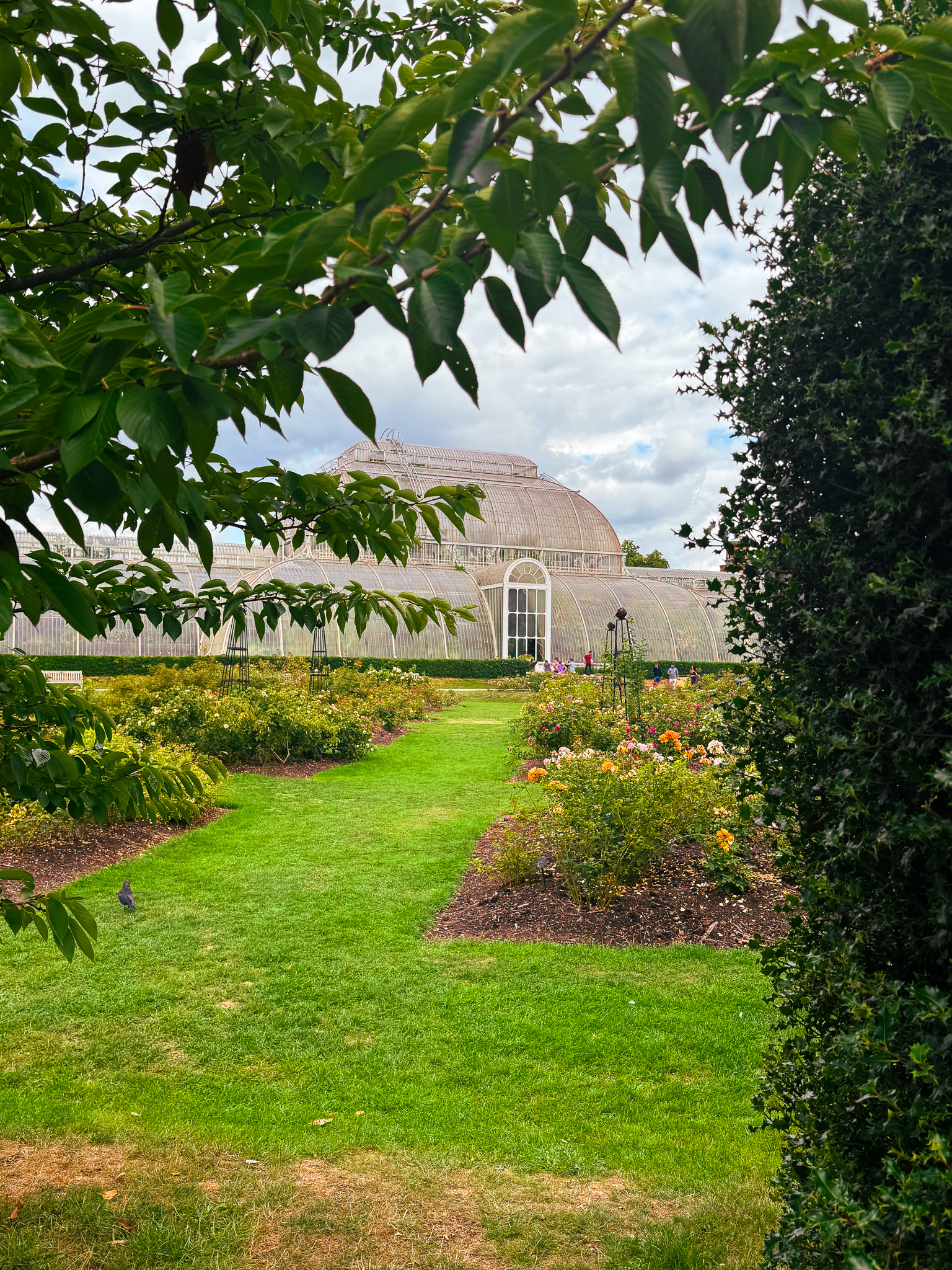
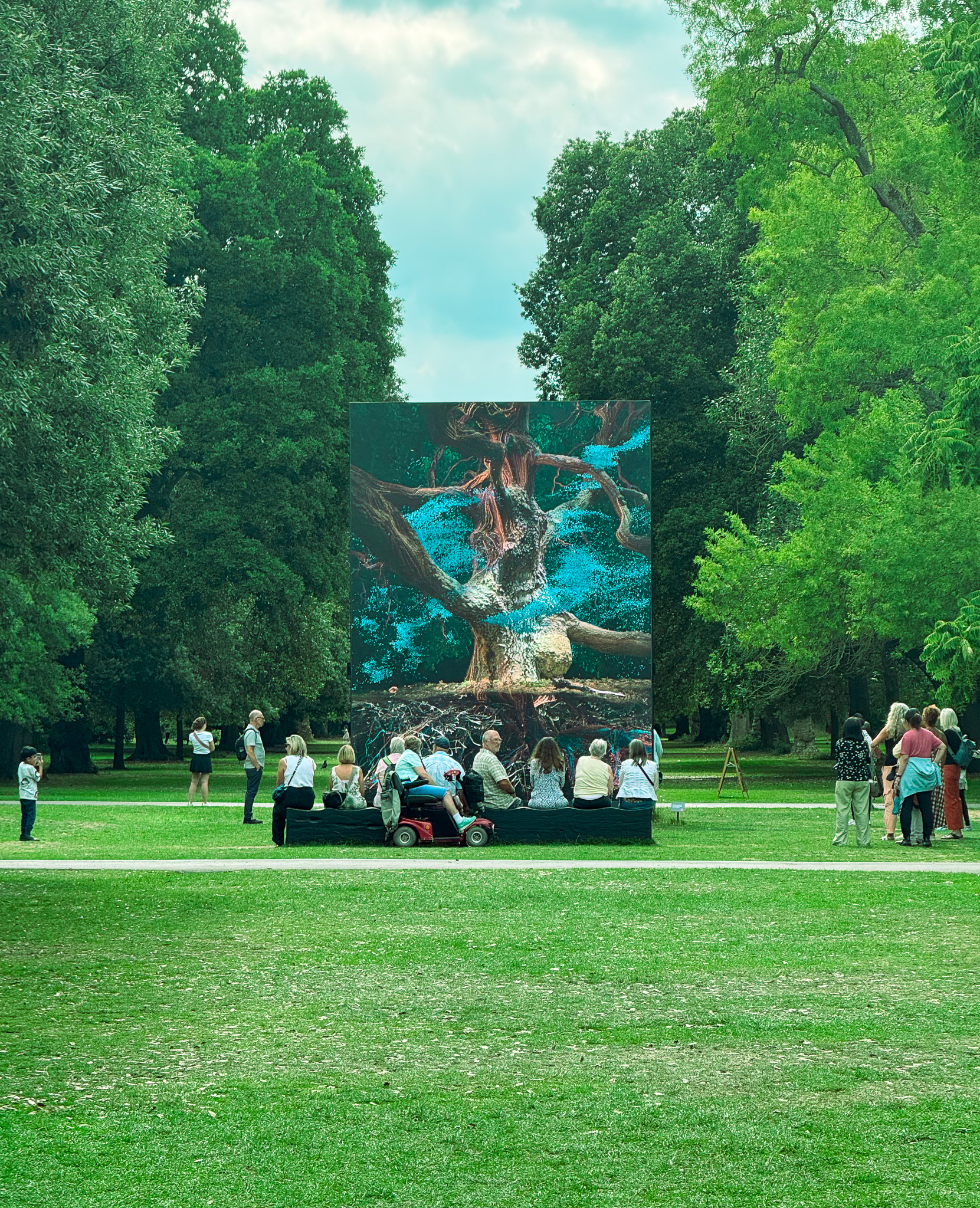
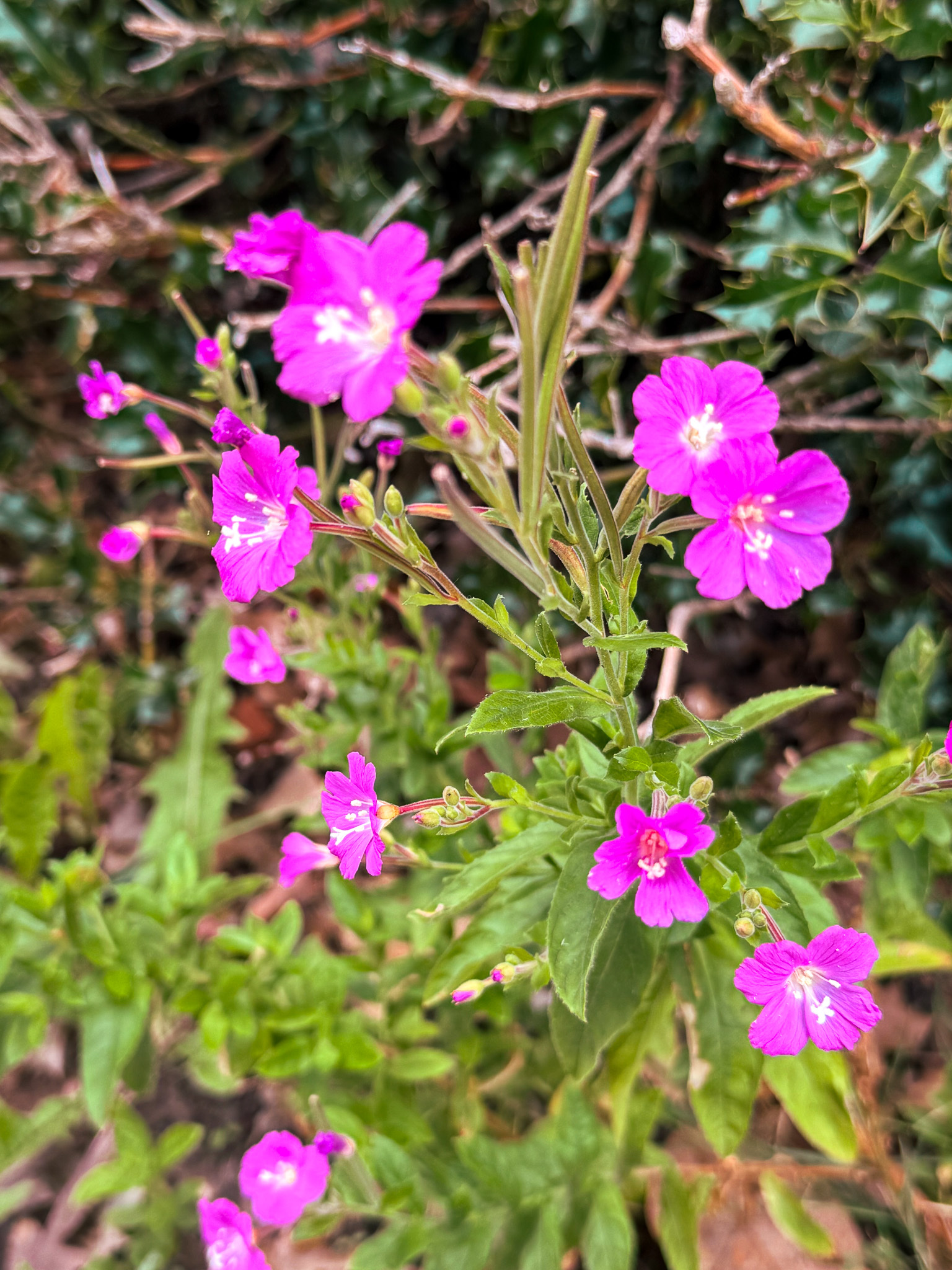
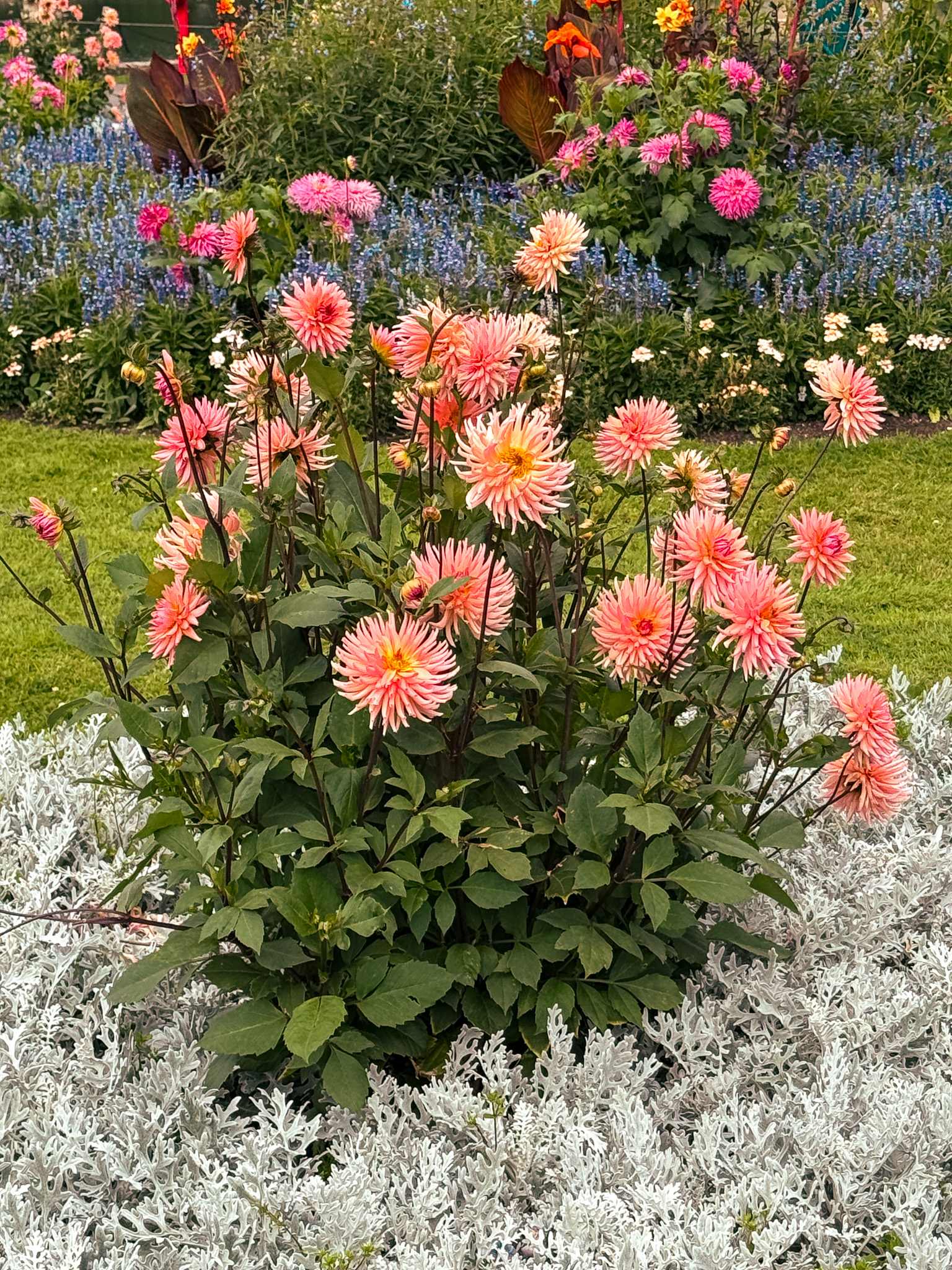
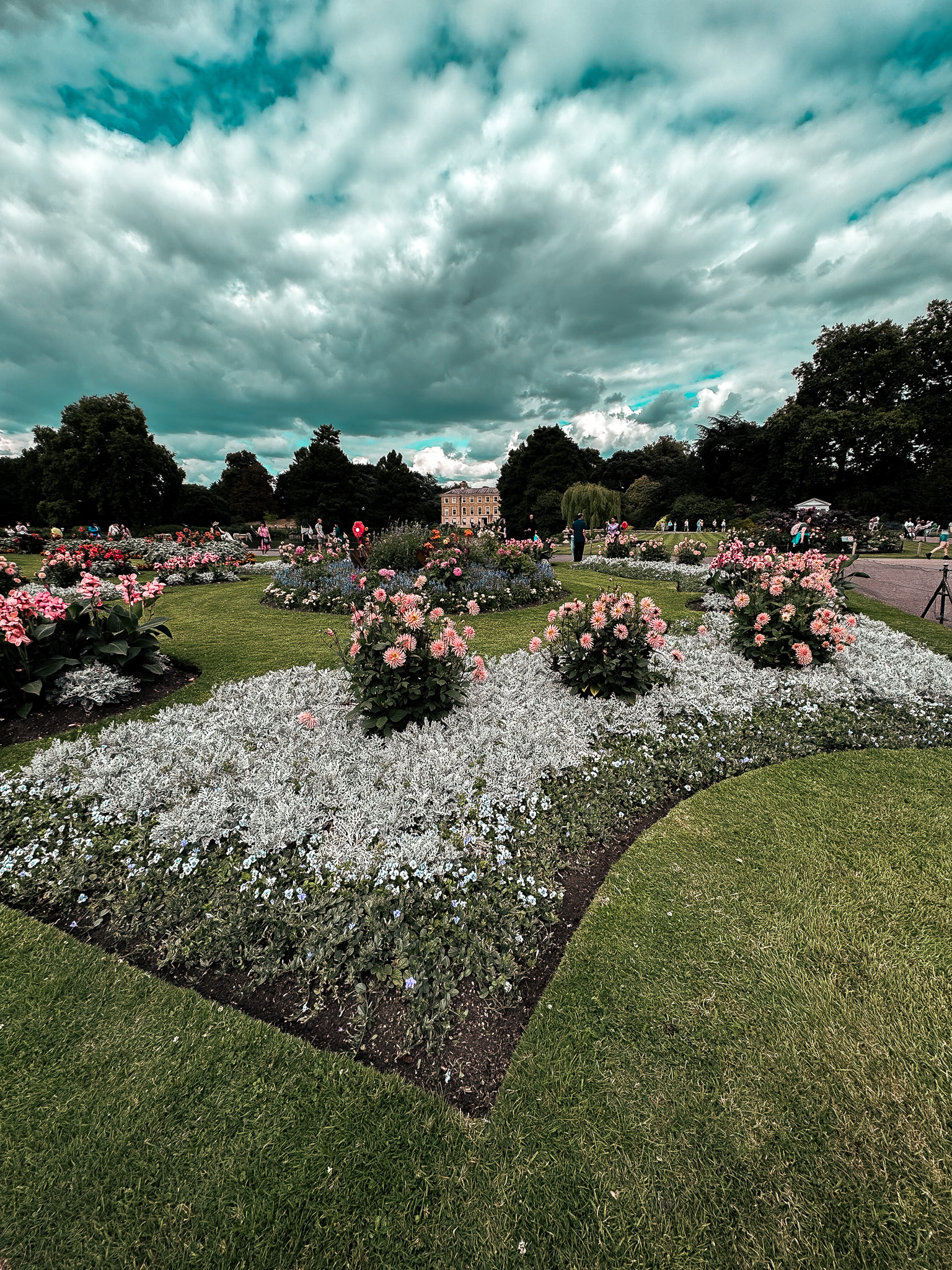
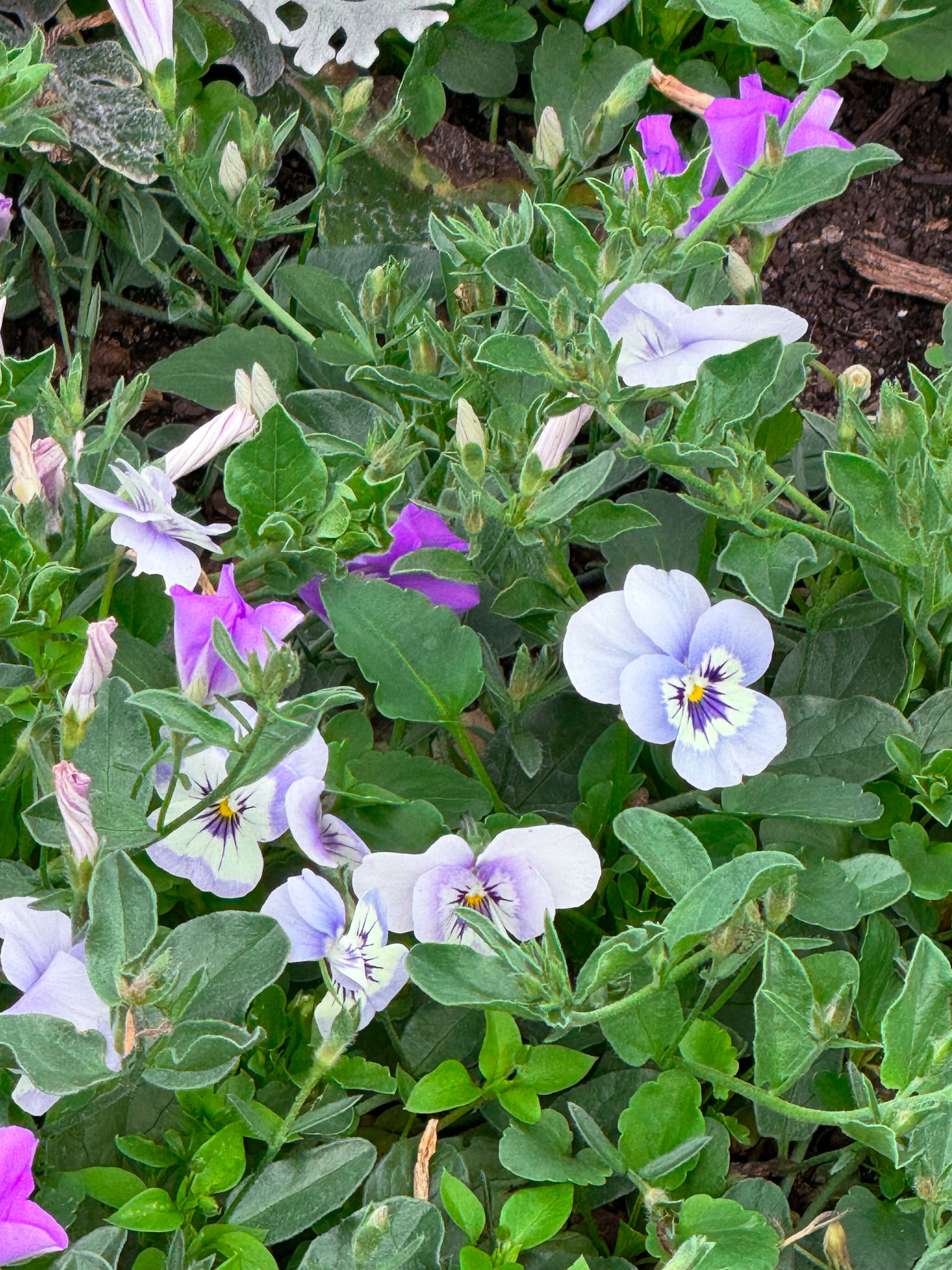
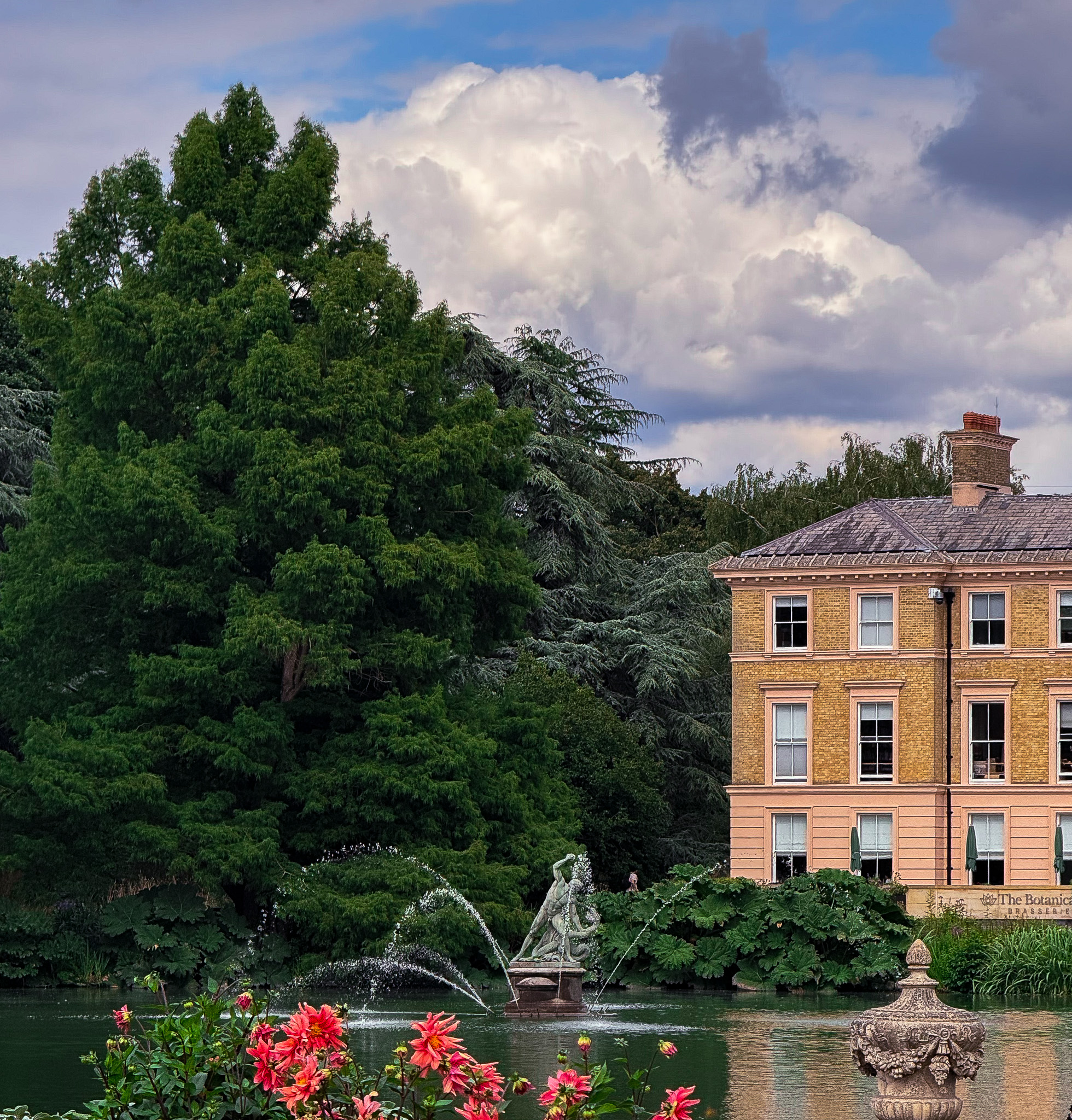
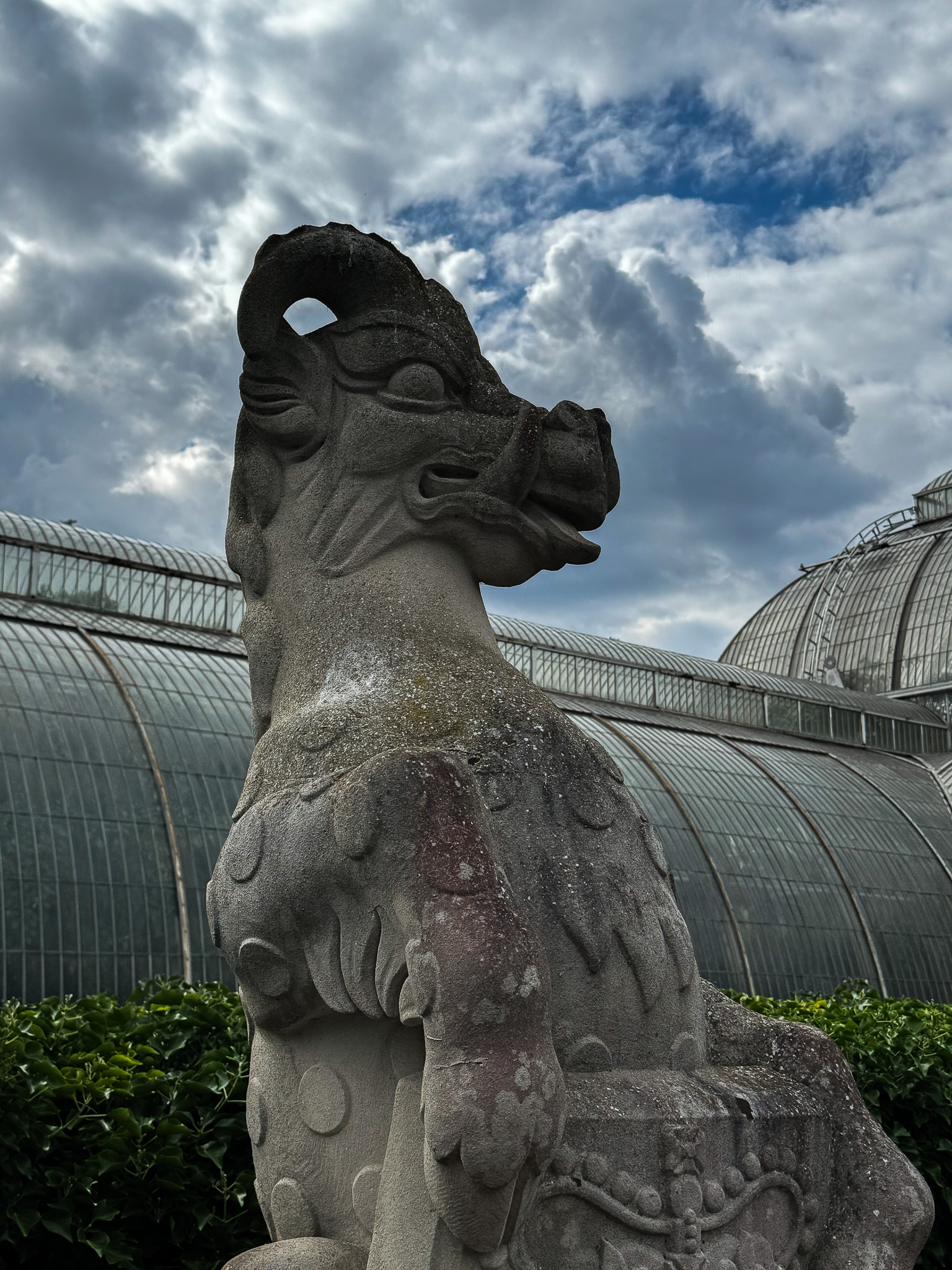
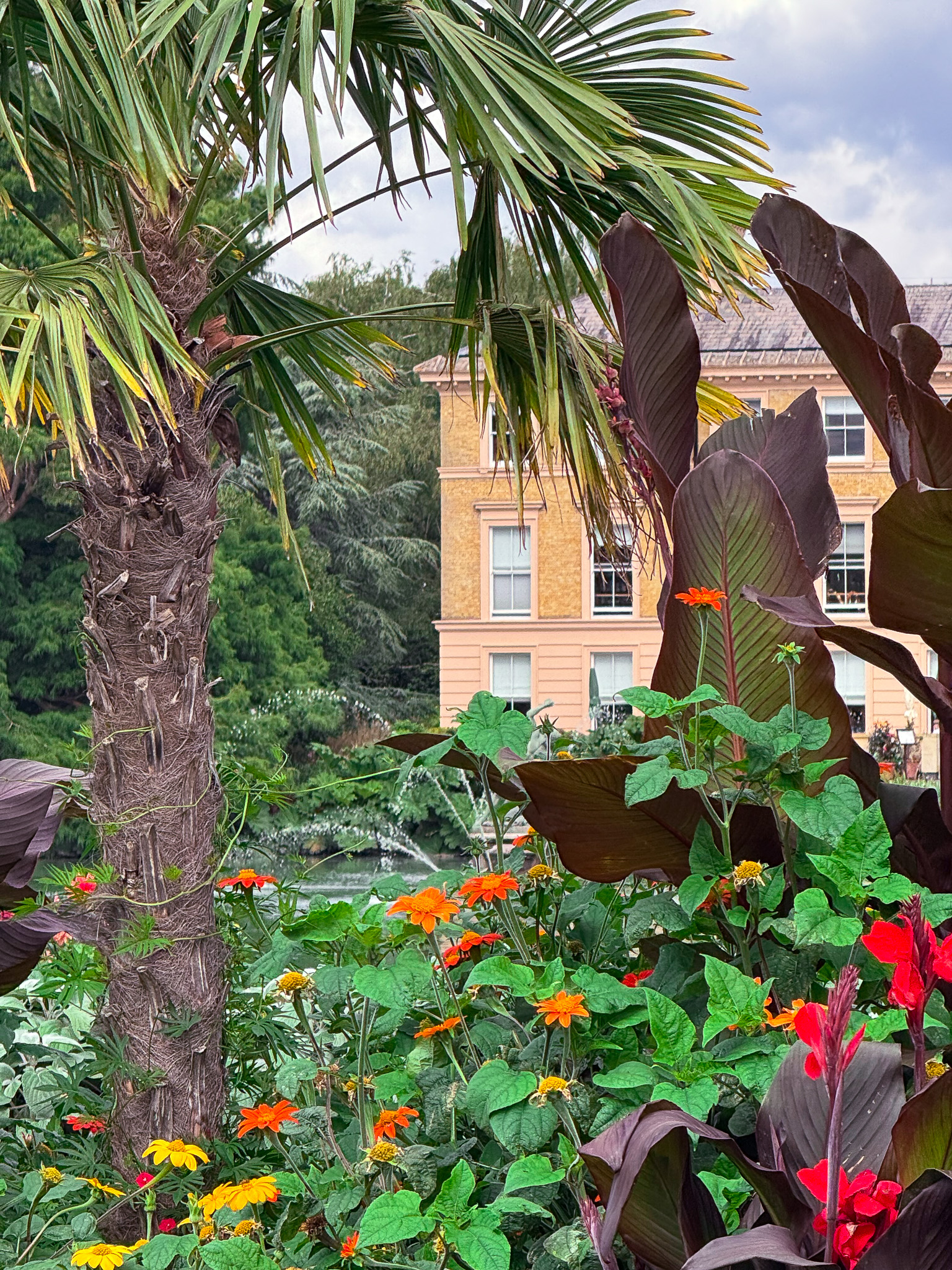
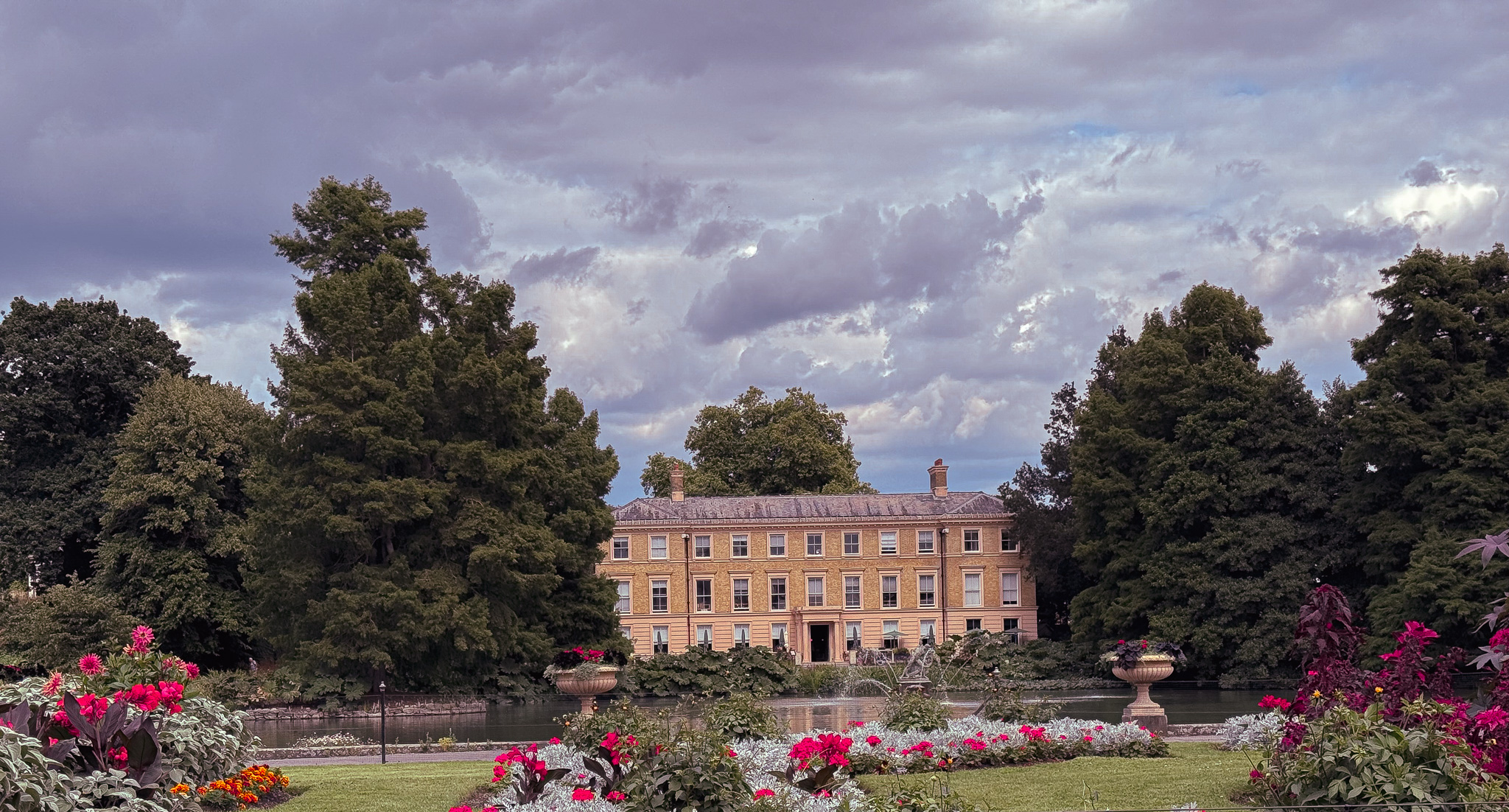
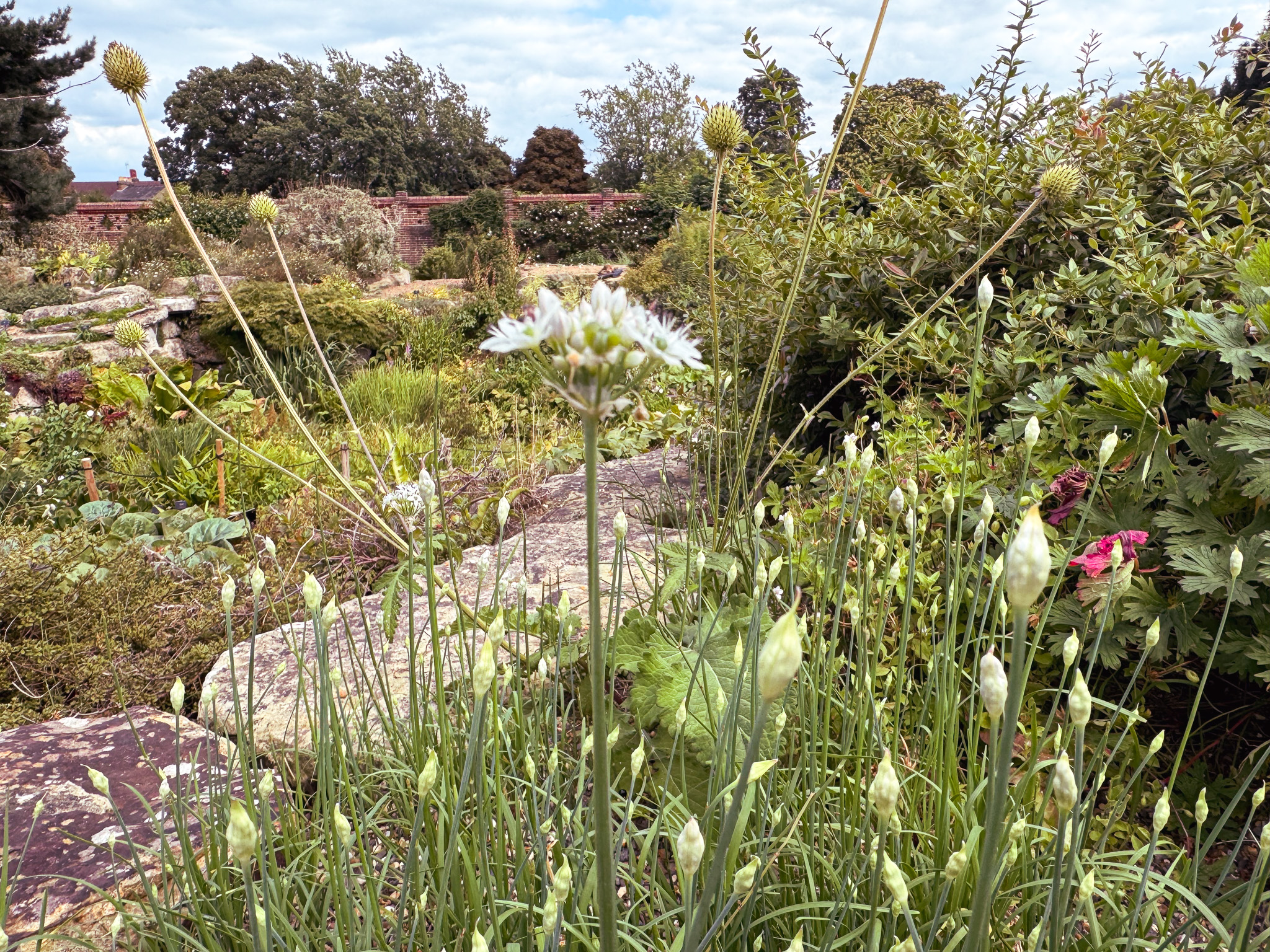
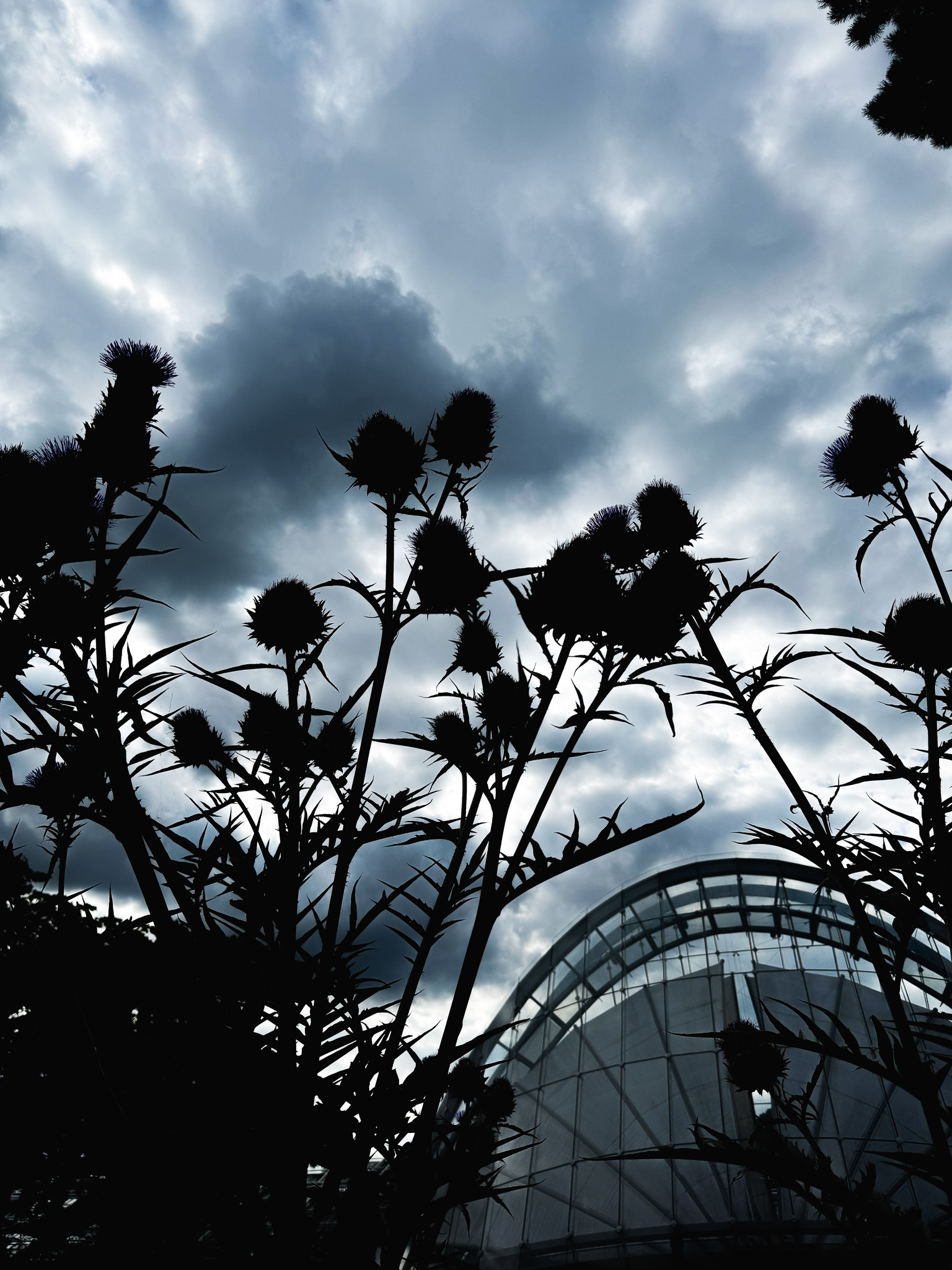
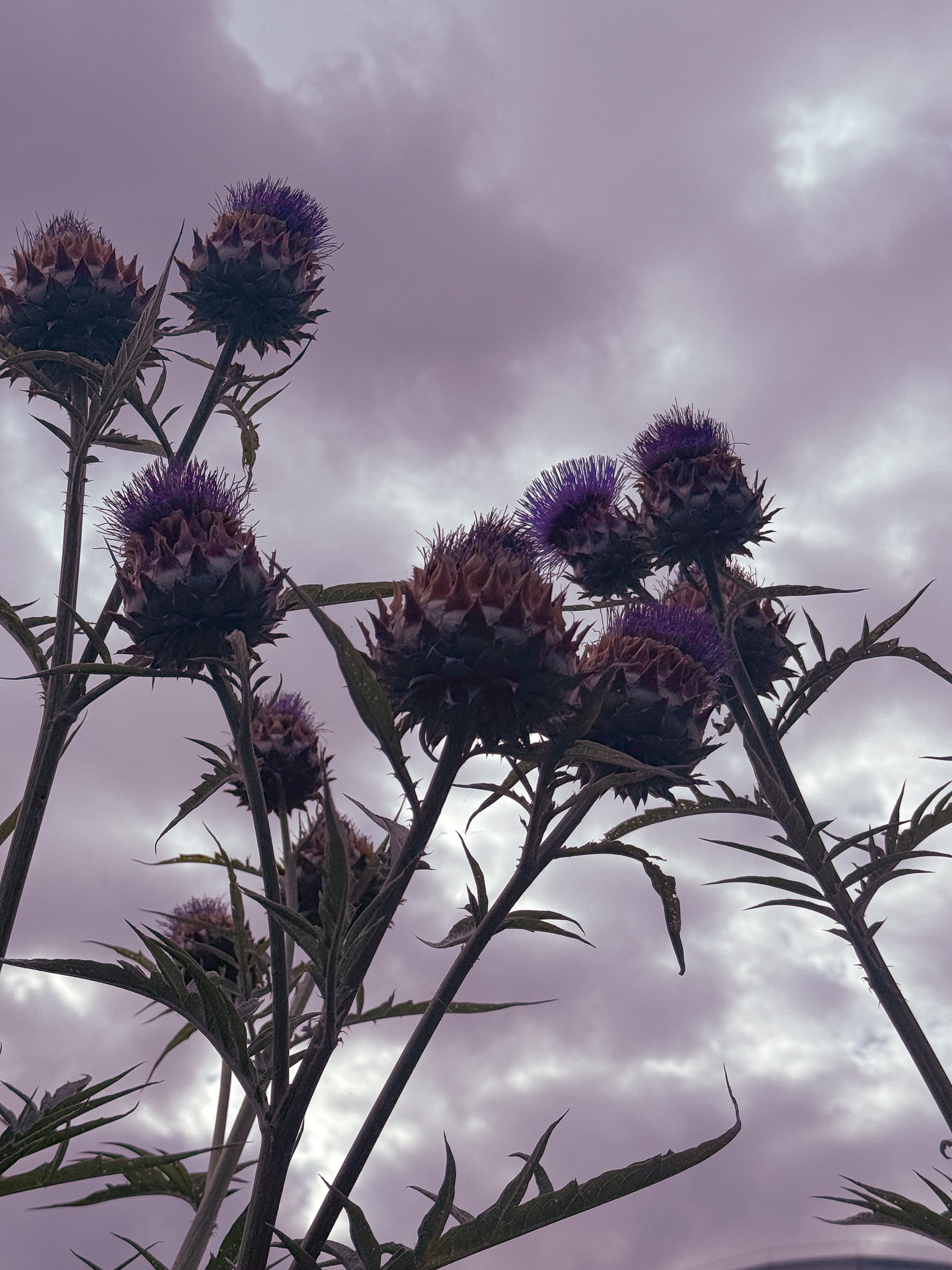
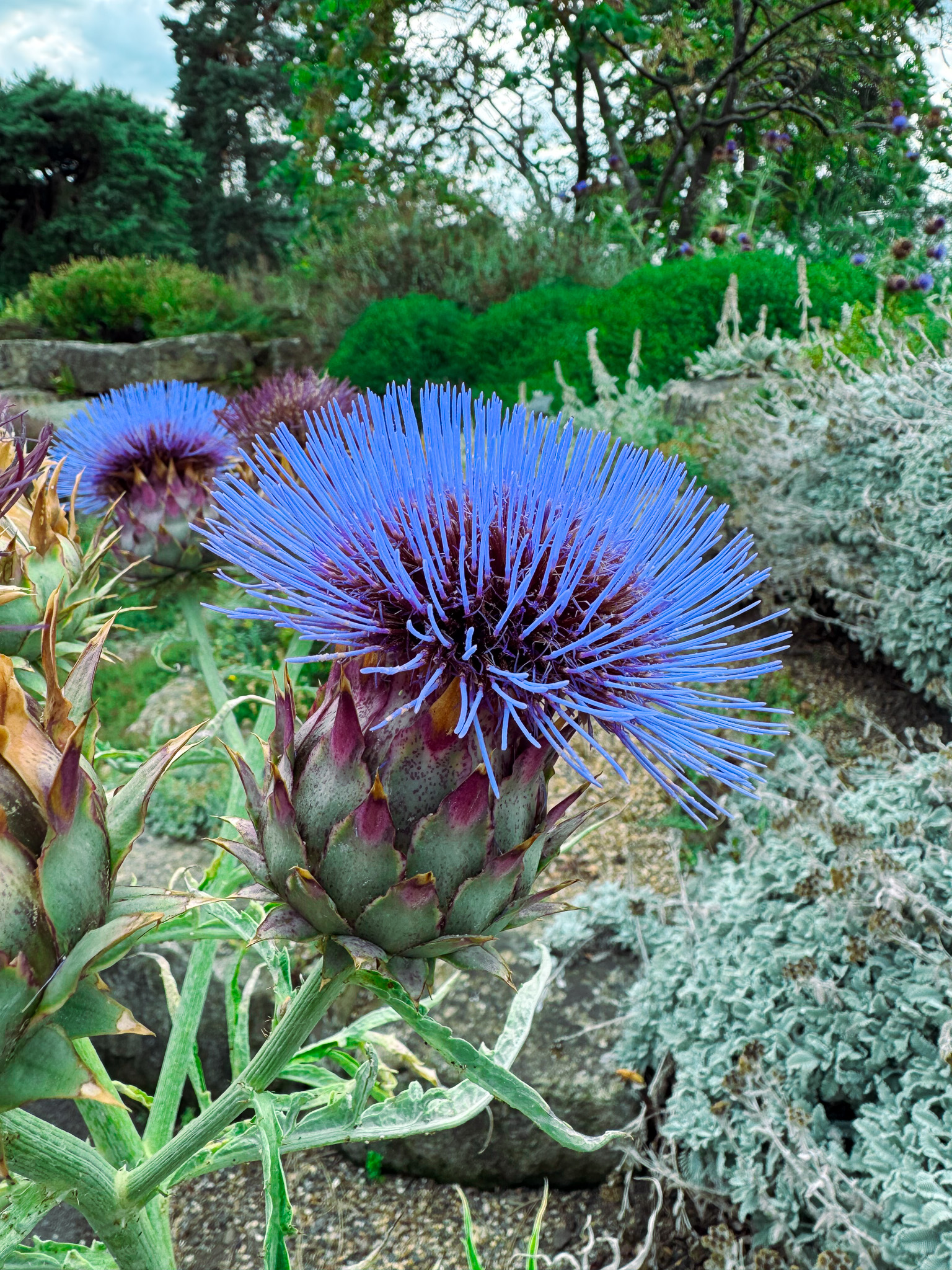
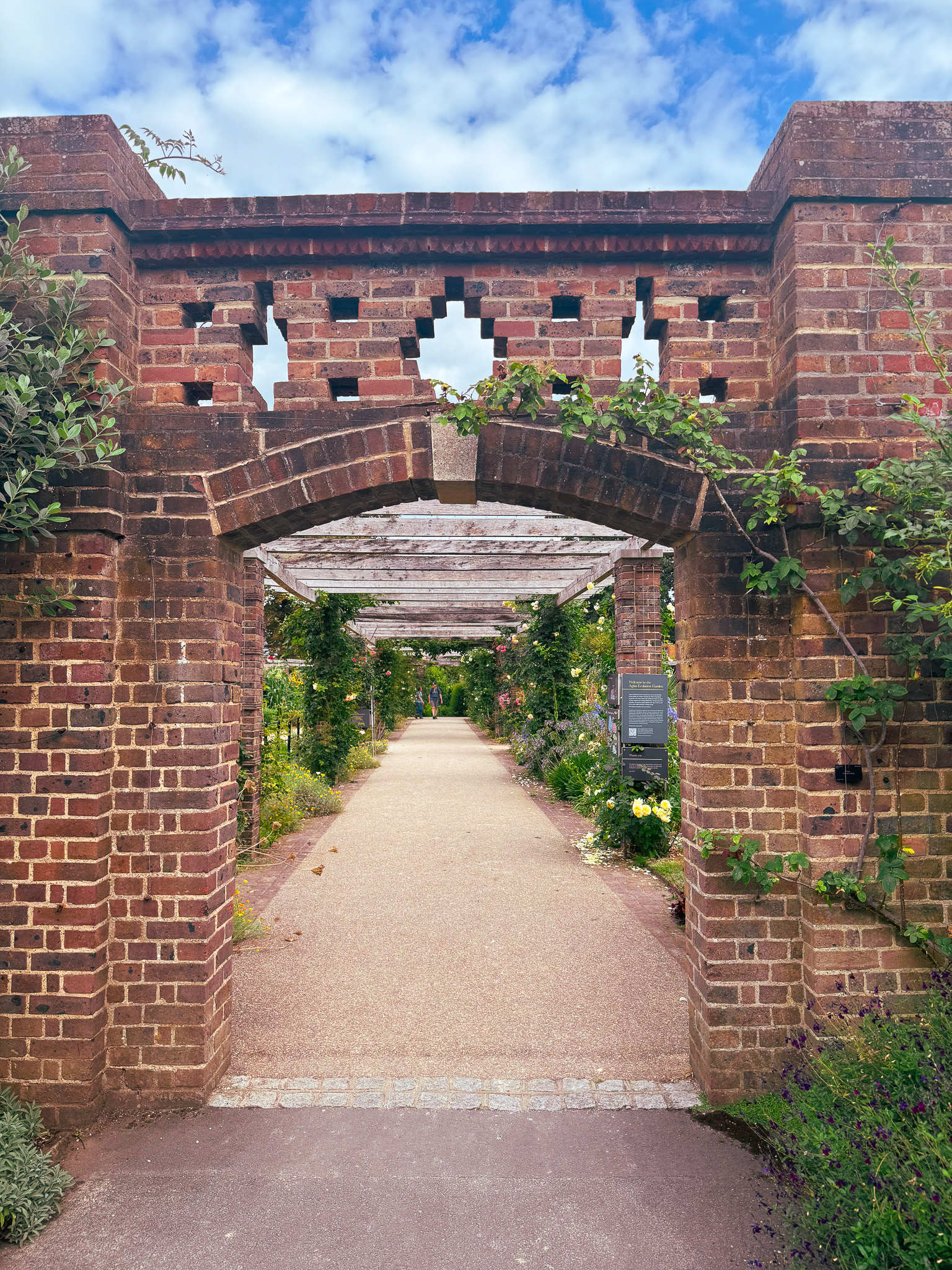
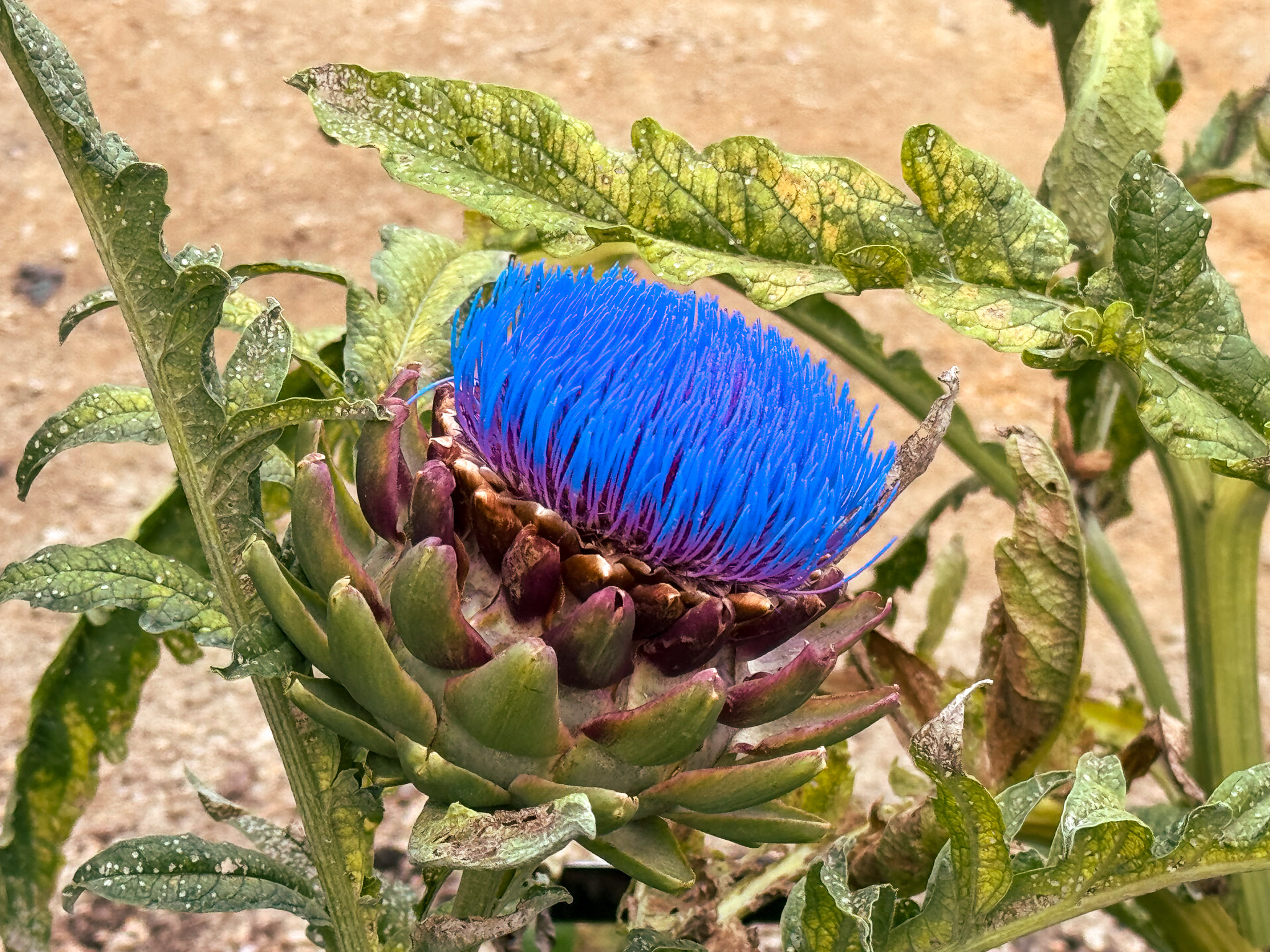
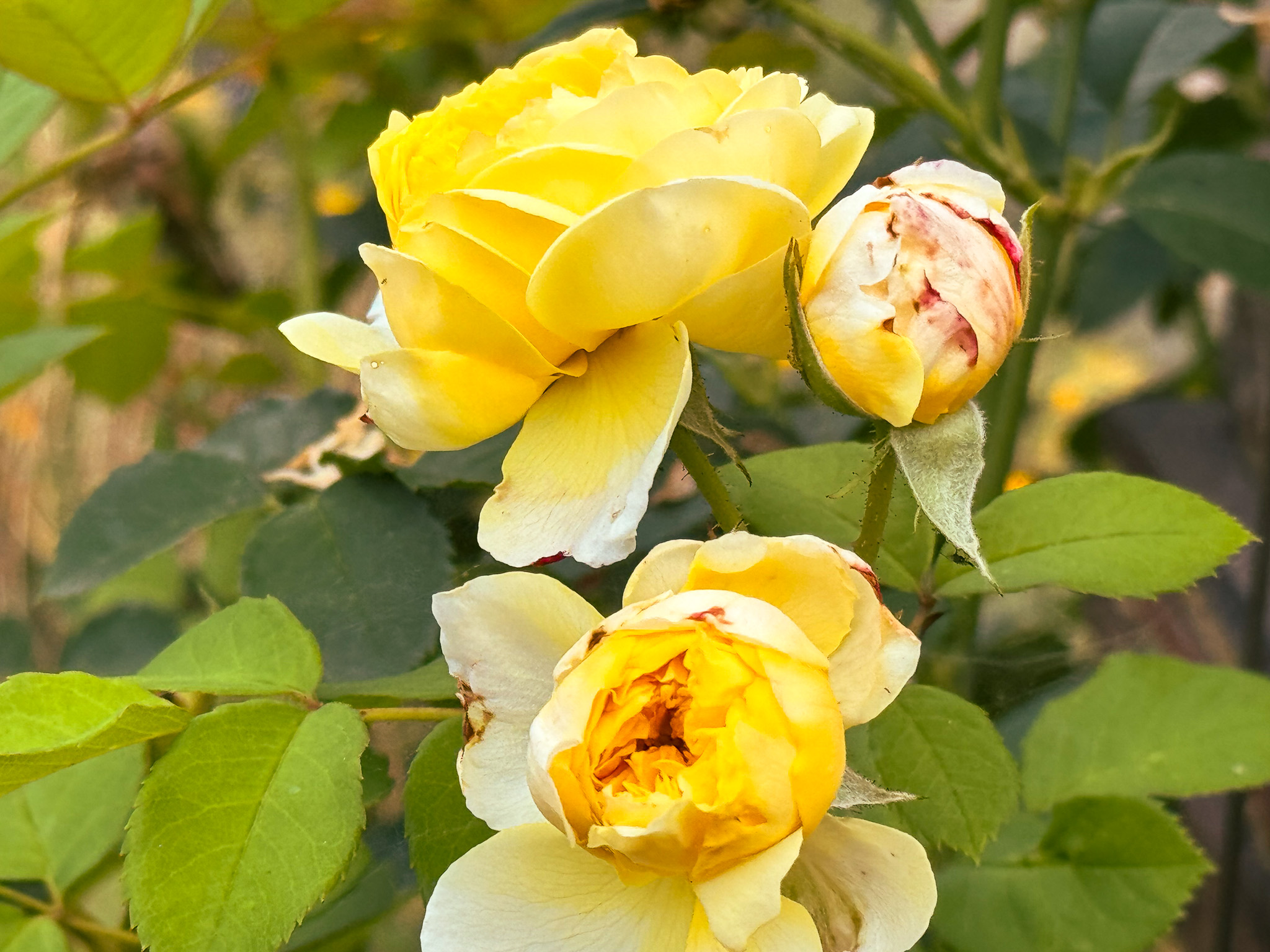
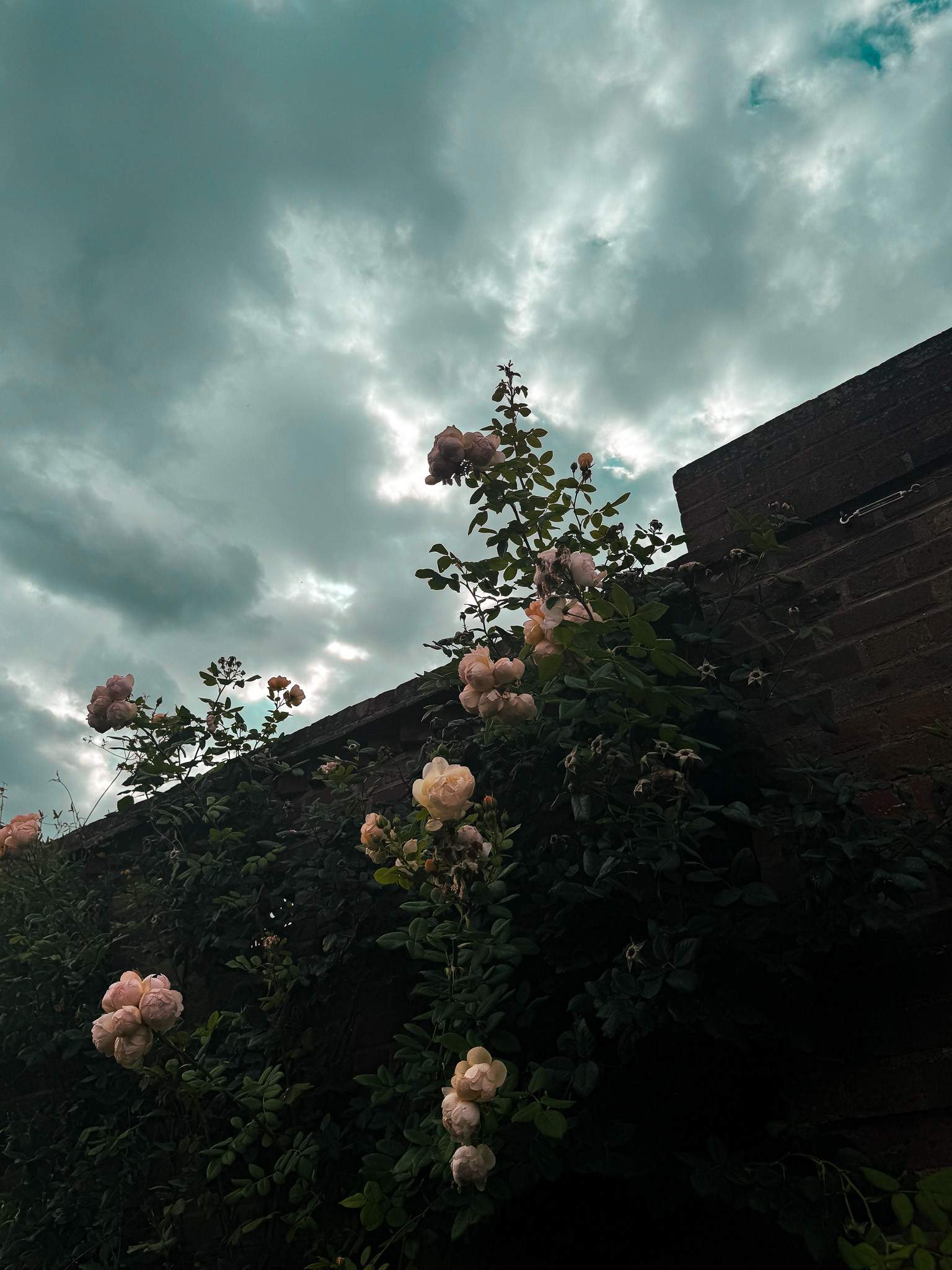
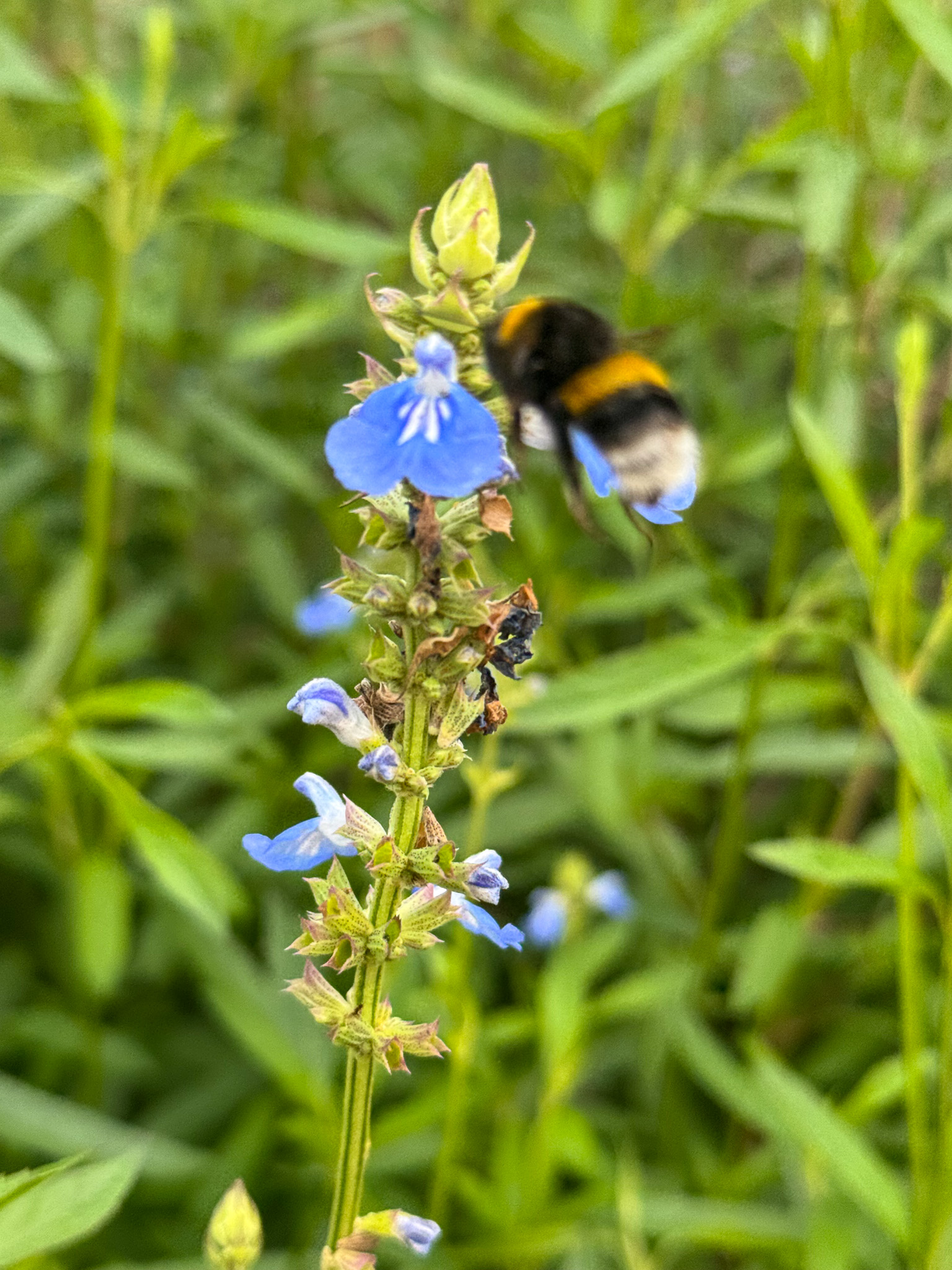
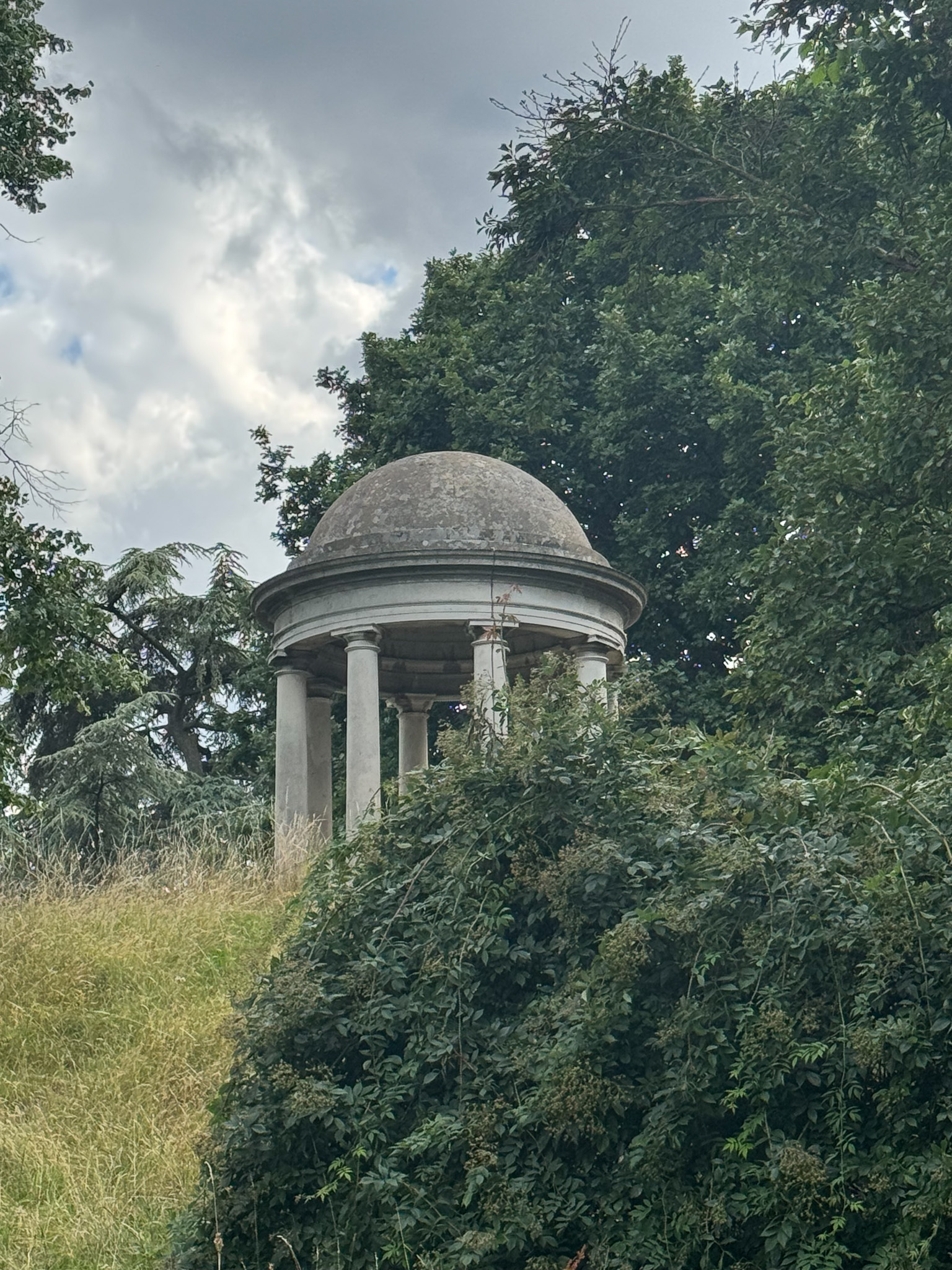
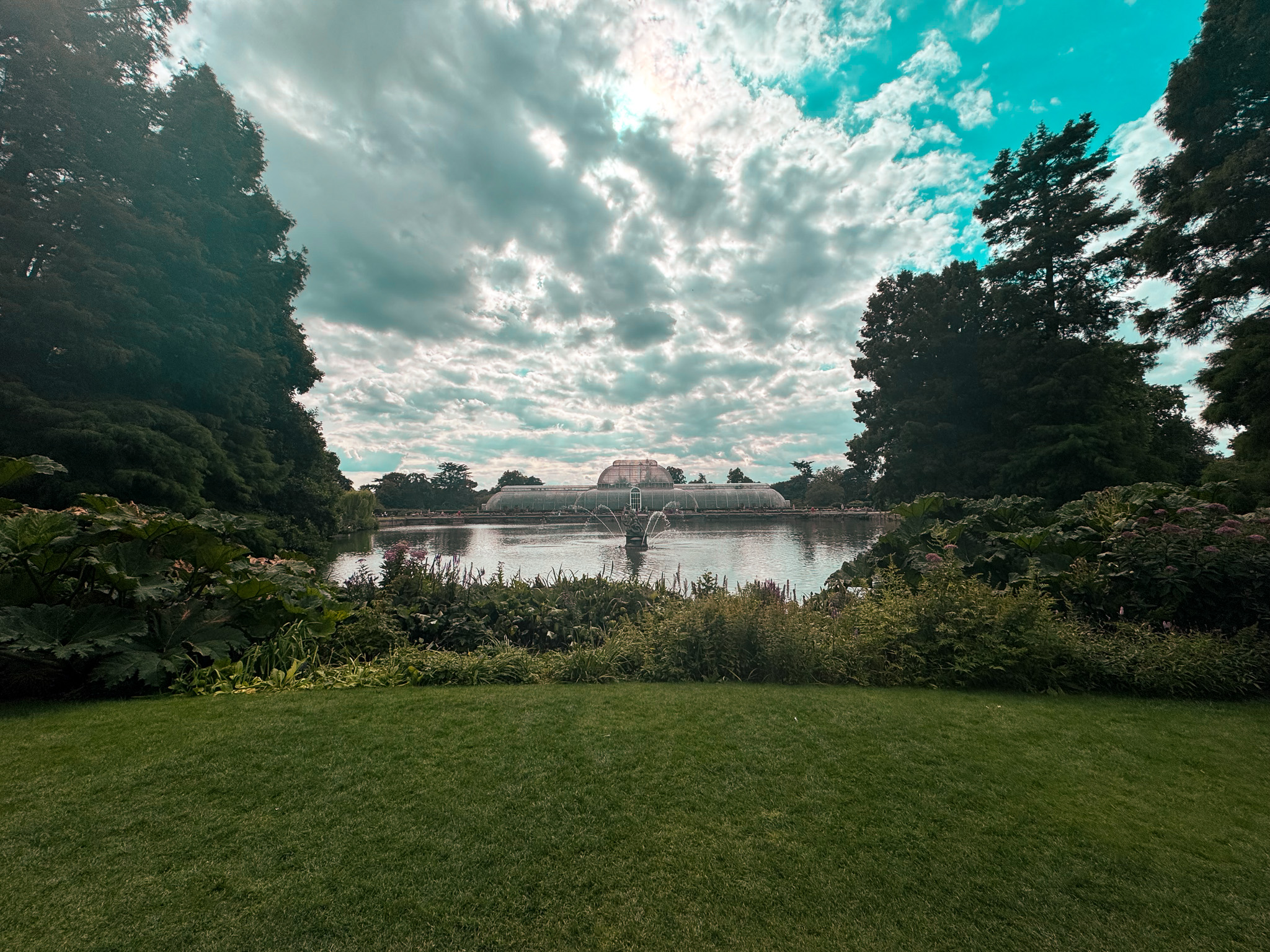
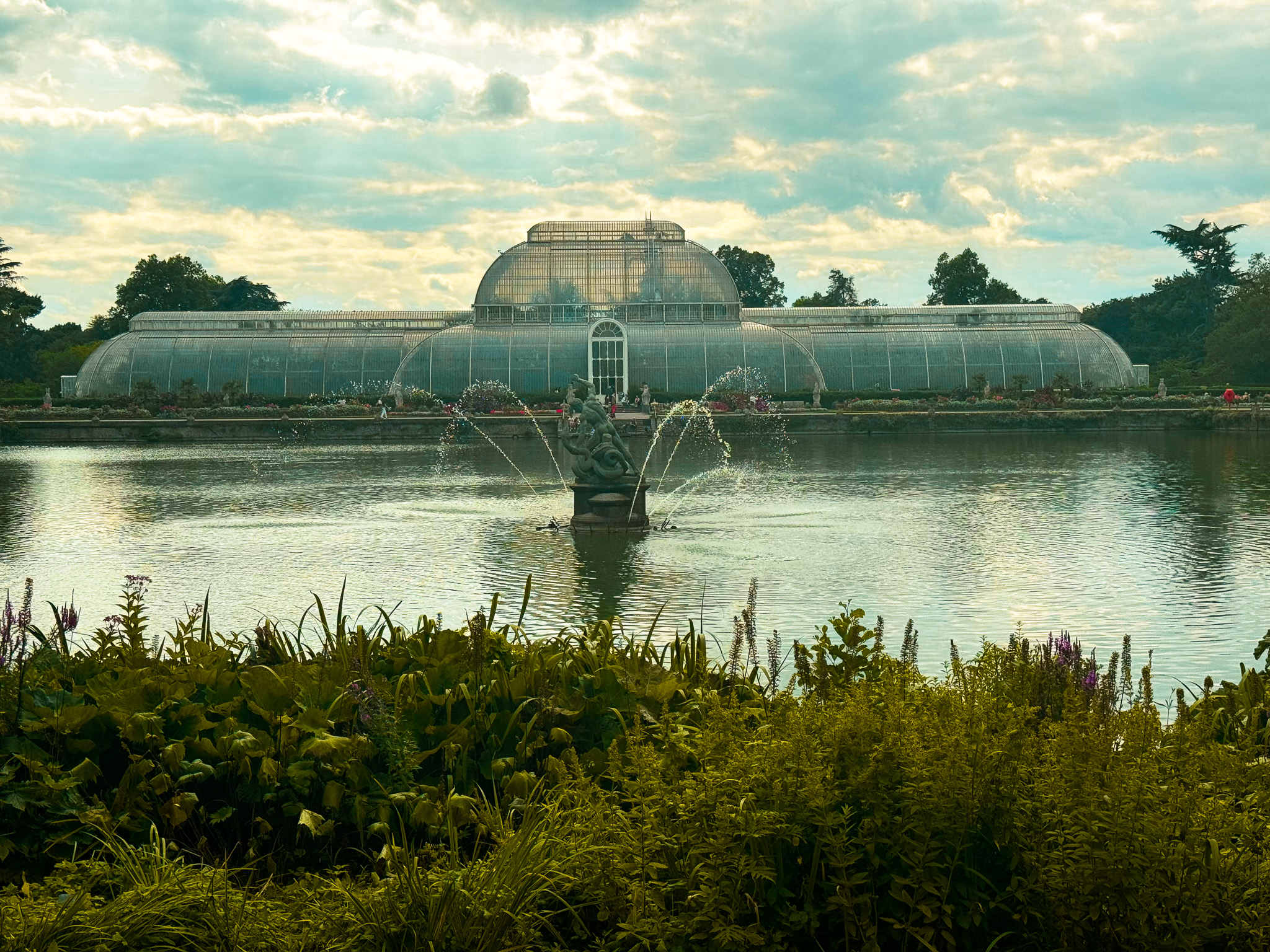
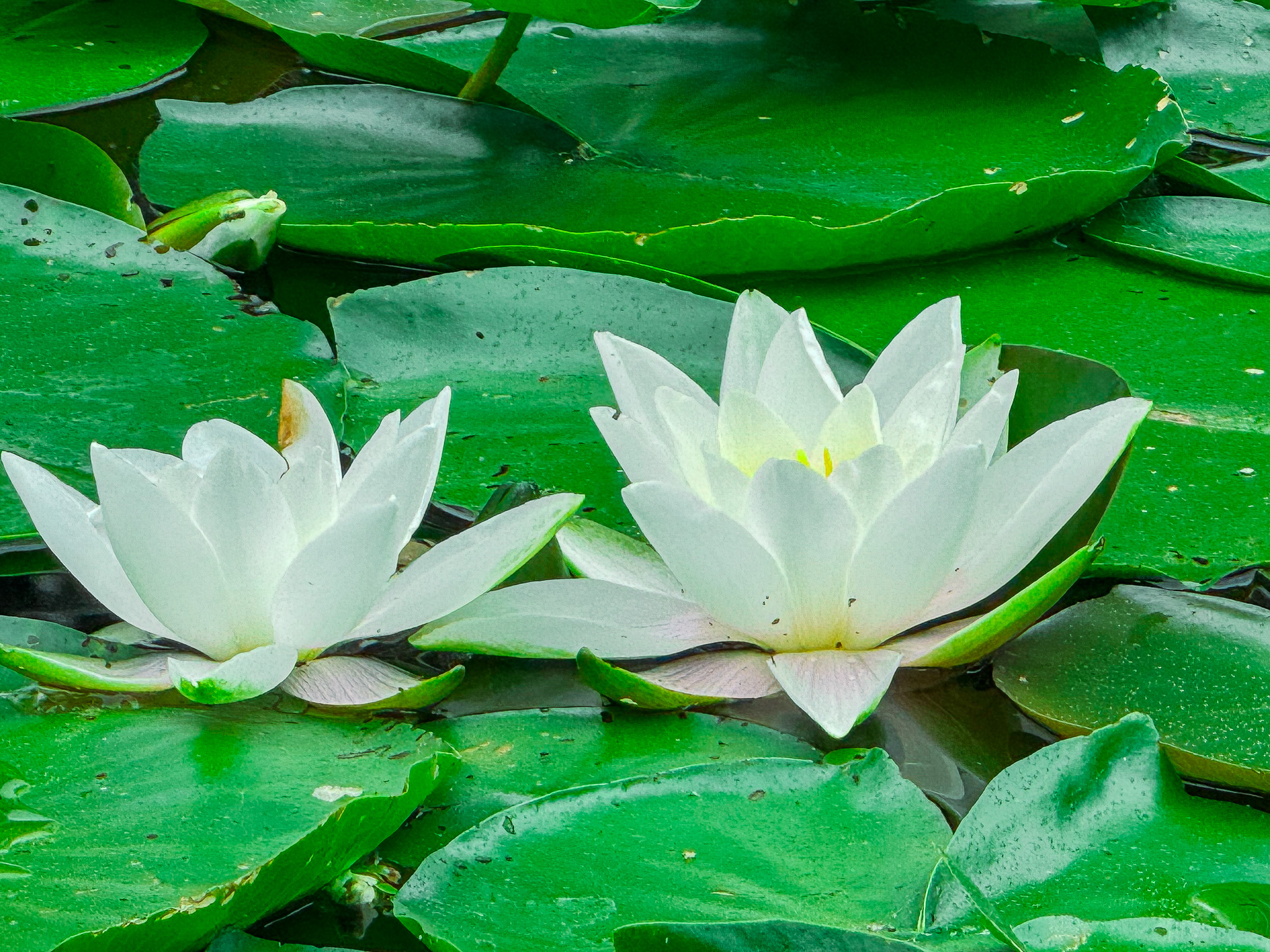
We walked through St James’s Park where the flowers were planted in unnatural obedience, the lake curling like a ribbon beside us. The ducks ignored us completely; they have seen too many tourists to care. A few days later, Kew Gardens unfurled itself like a painted scroll—palms sweating in glasshouses, plants tagged with their Latin names and histories of displacement. The empire’s botany experiment still standing, still curated, though now the plaques mutter more softly about “exploration” and “discovery,” as if to cover the more accurate words—“seizure,” “extraction,” “transplantation.”
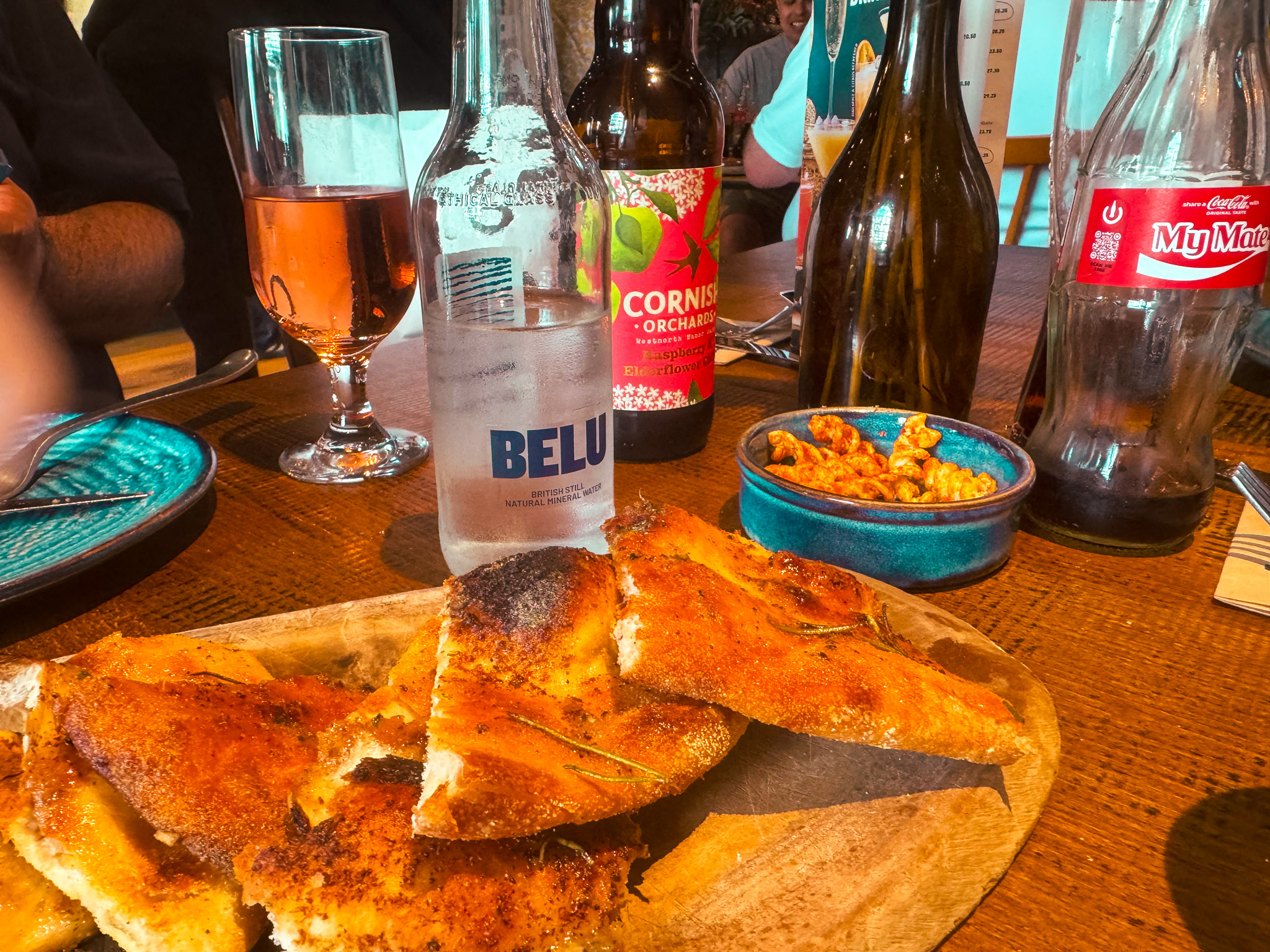
London fed me well.
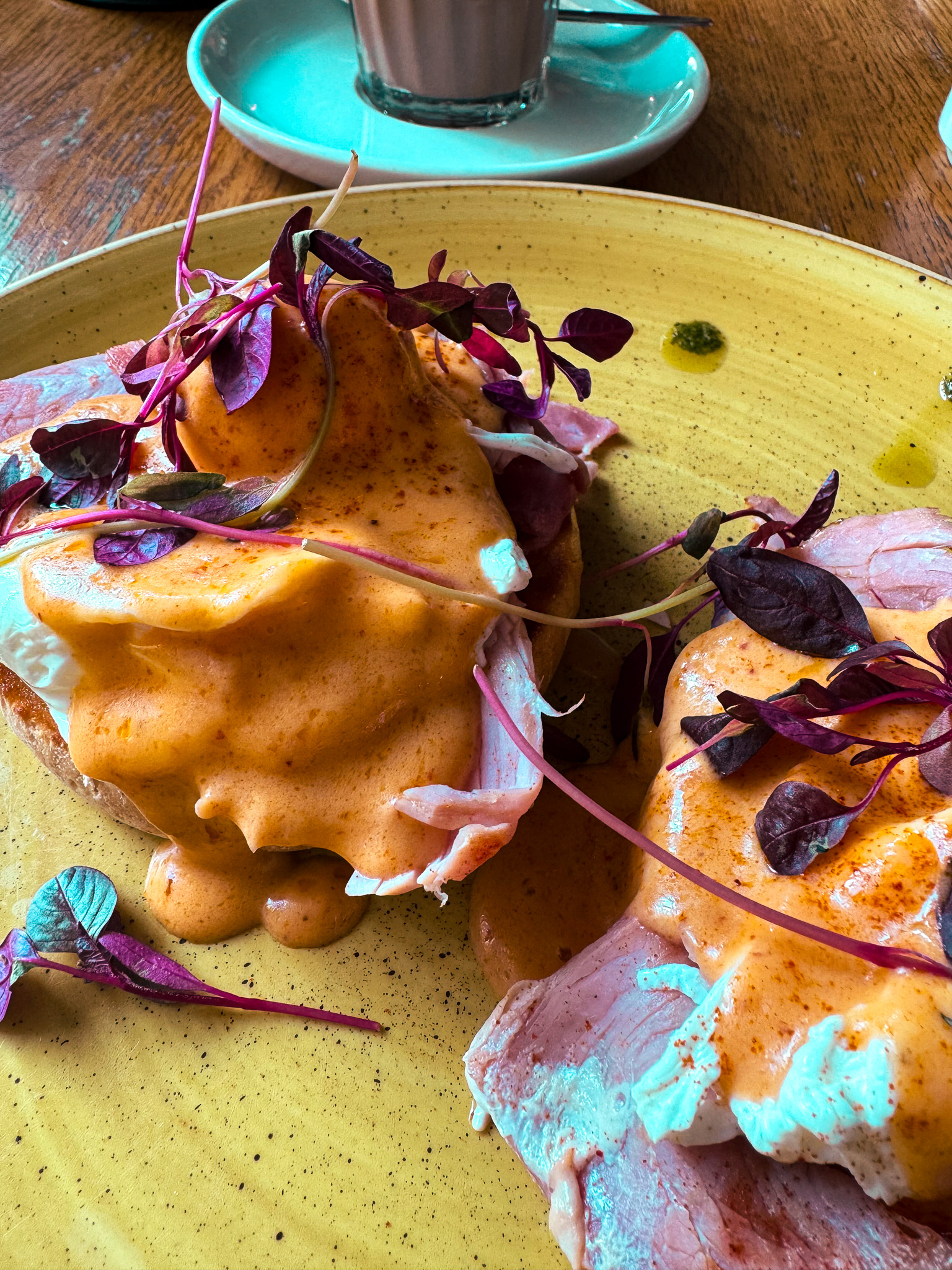
Dishoom became a kind of pilgrimage—black daal thick as dusk, chai steaming like a small, edible monsoon. Rosa’s Thai gave me bowls of curry fragrant enough to make me close my eyes mid-bite. Eating here feels like a reclamation—these flavours carried in the hands and mouths of immigrants, rebuilt in kitchens far from home, until the city’s palate began to belong to everyone and no one.
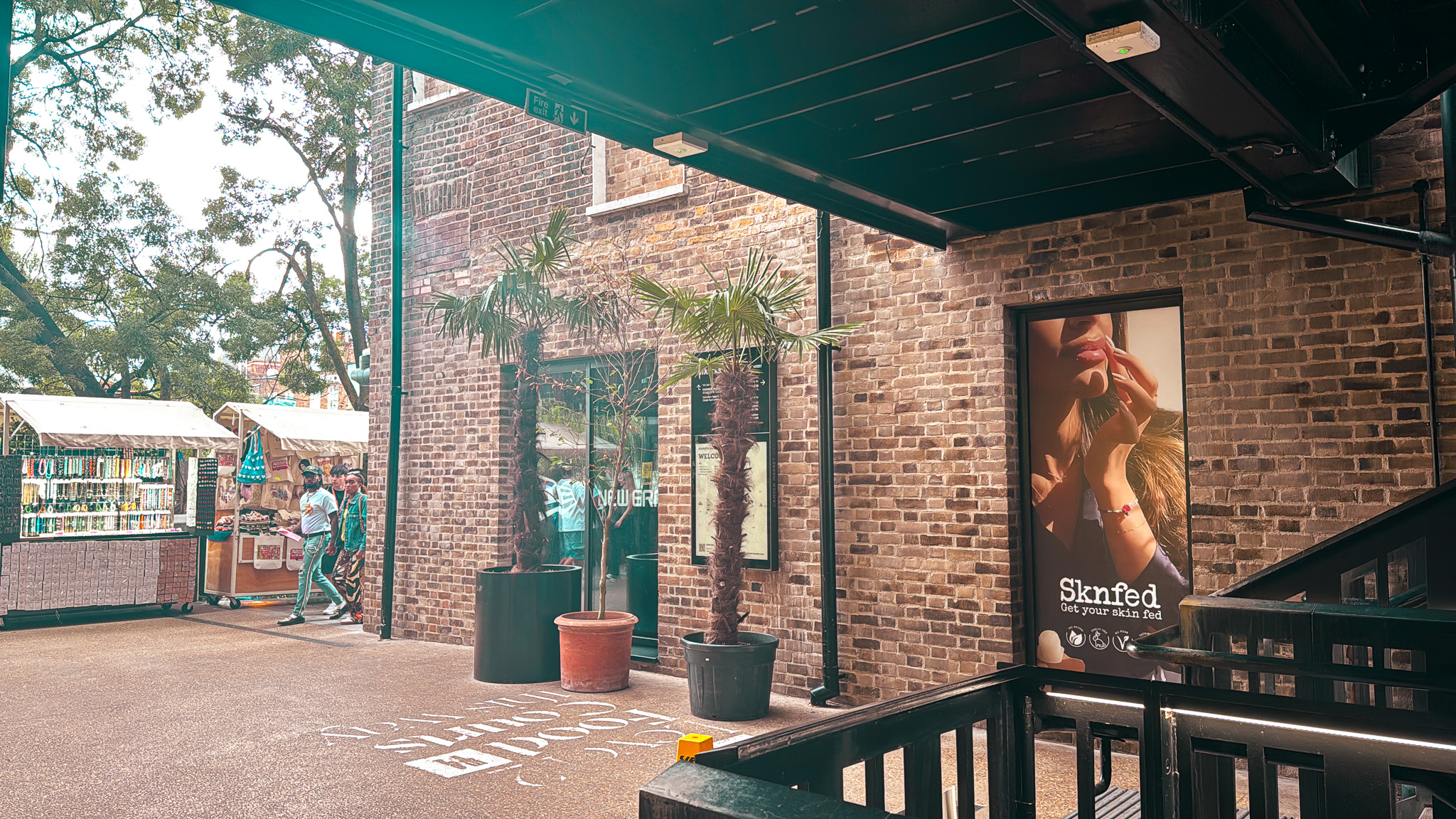
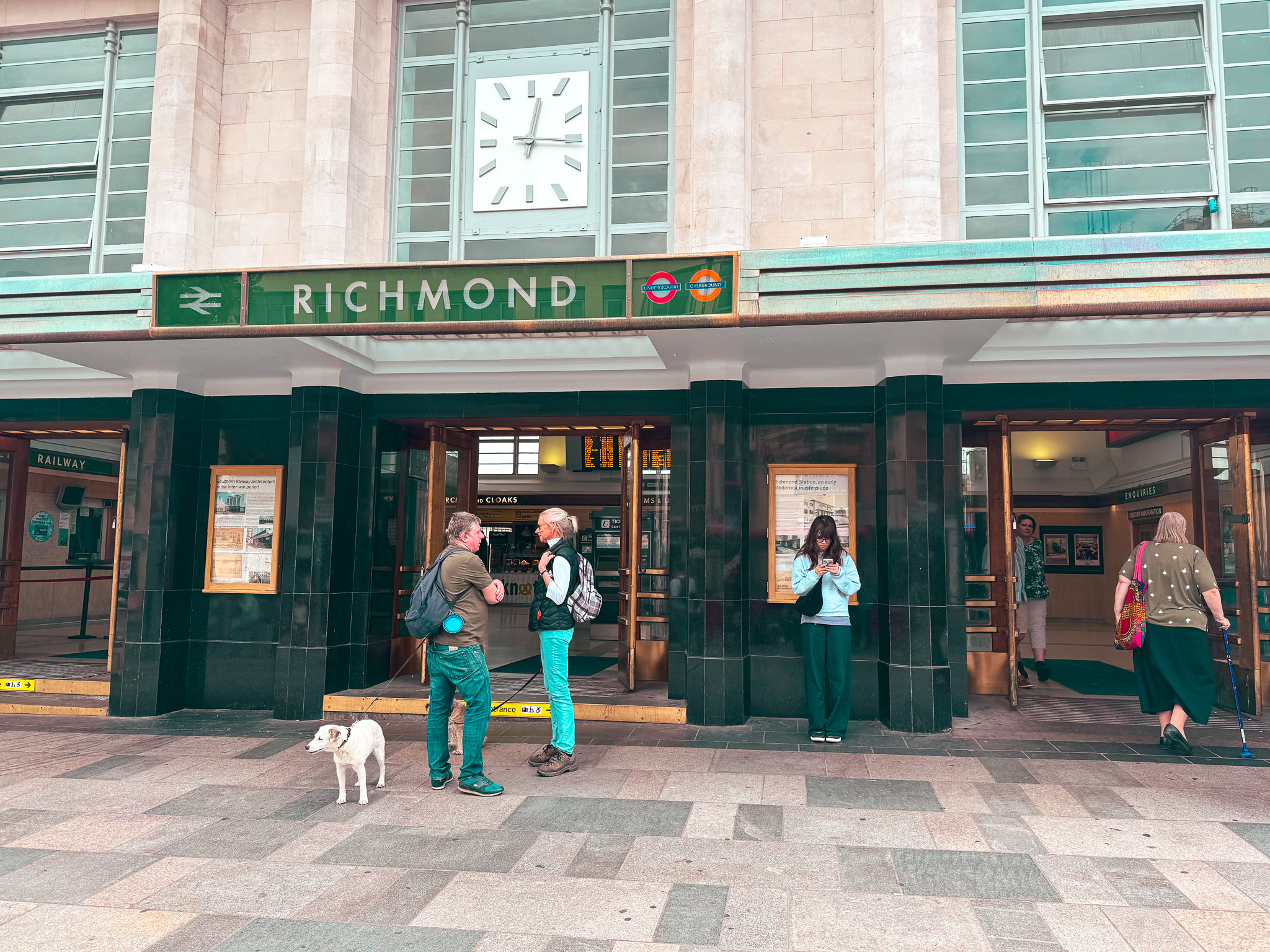
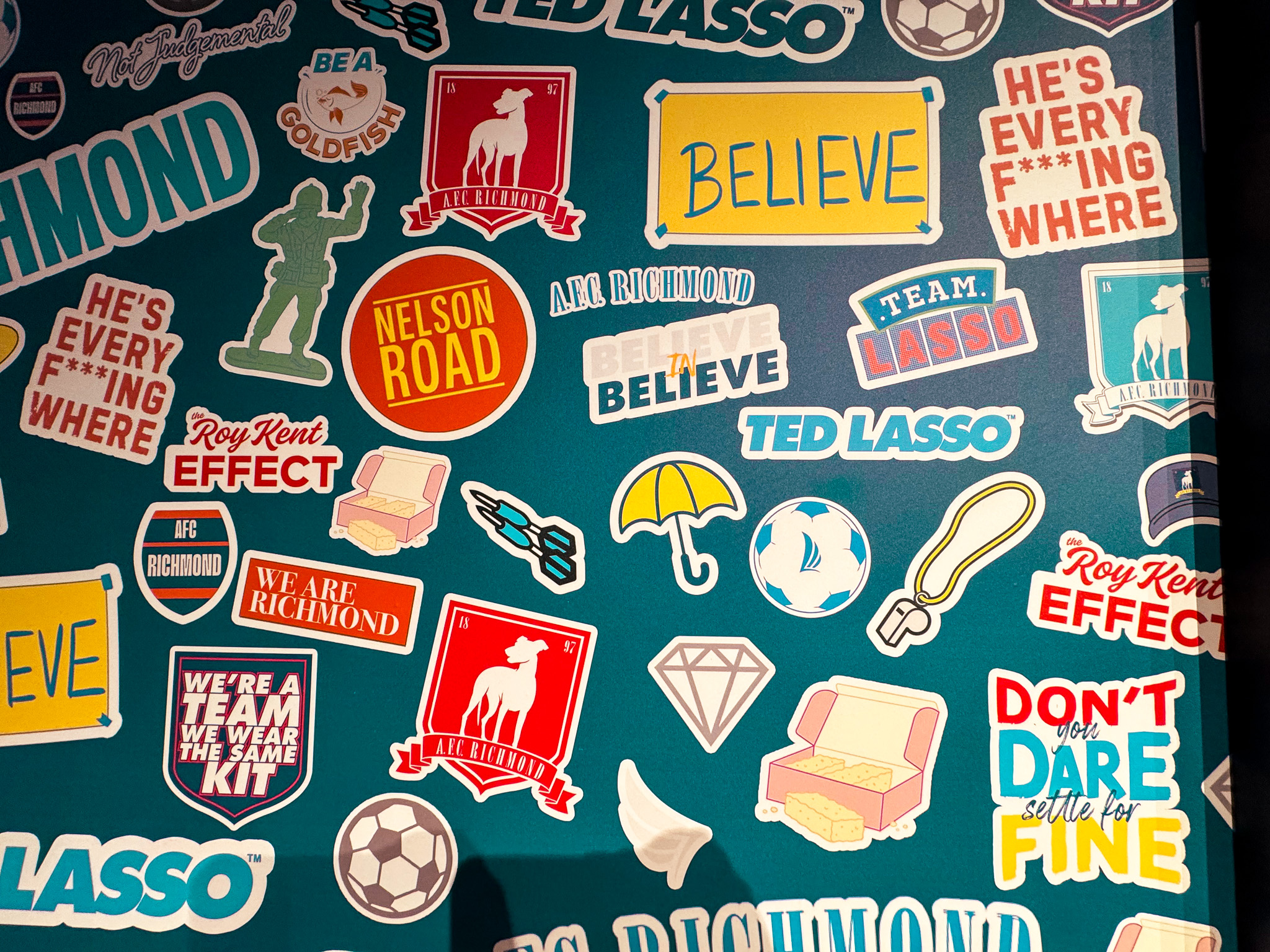
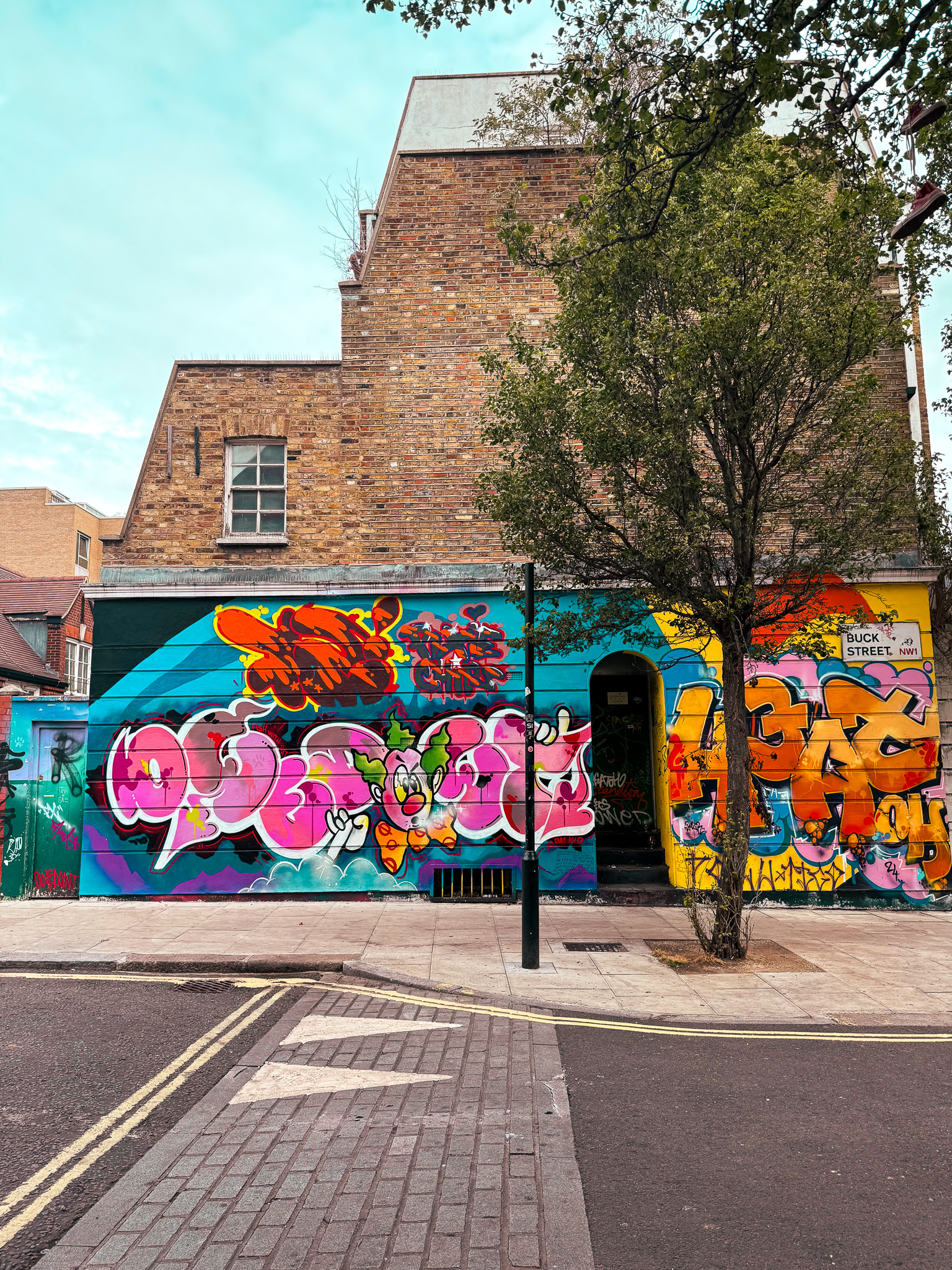
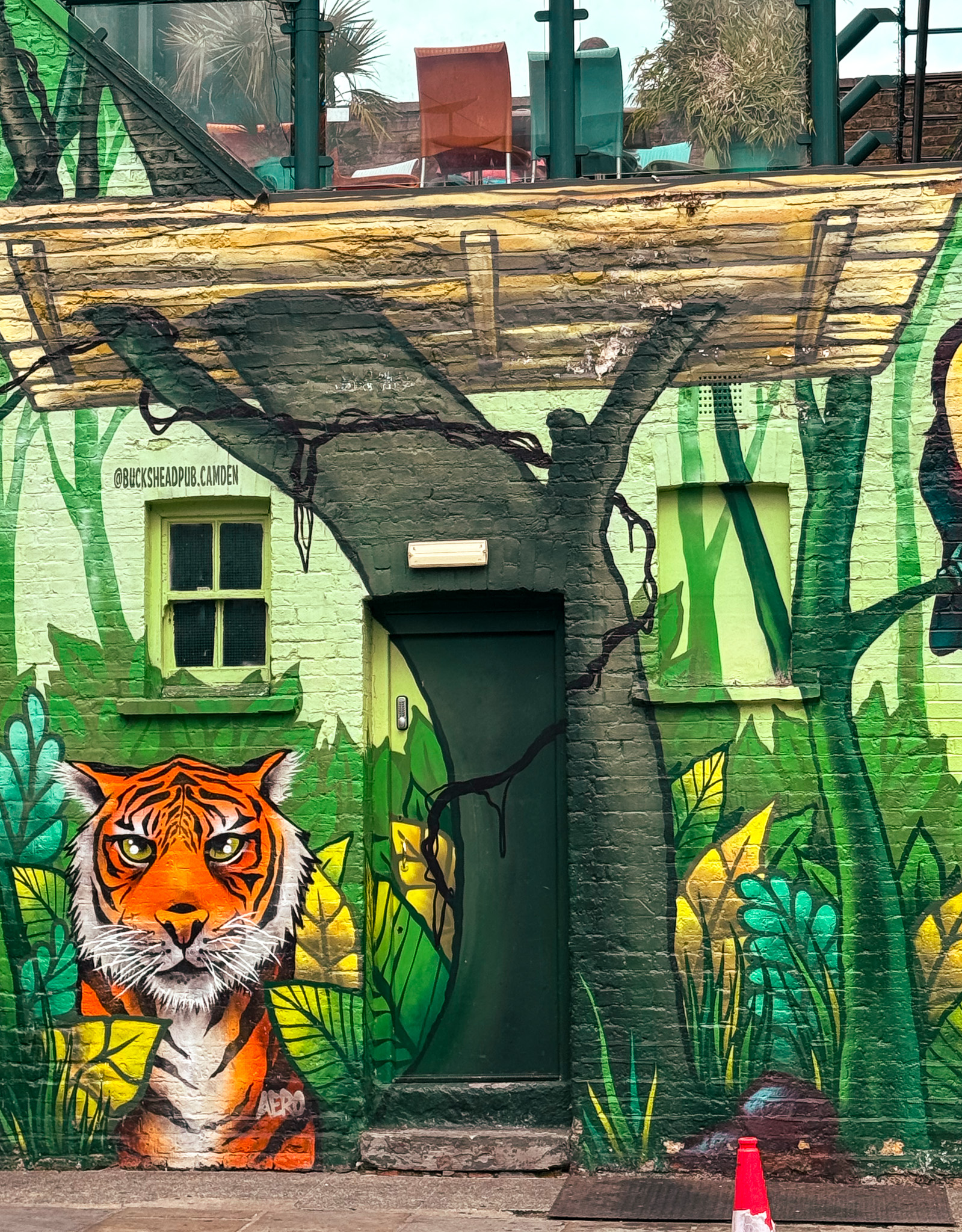
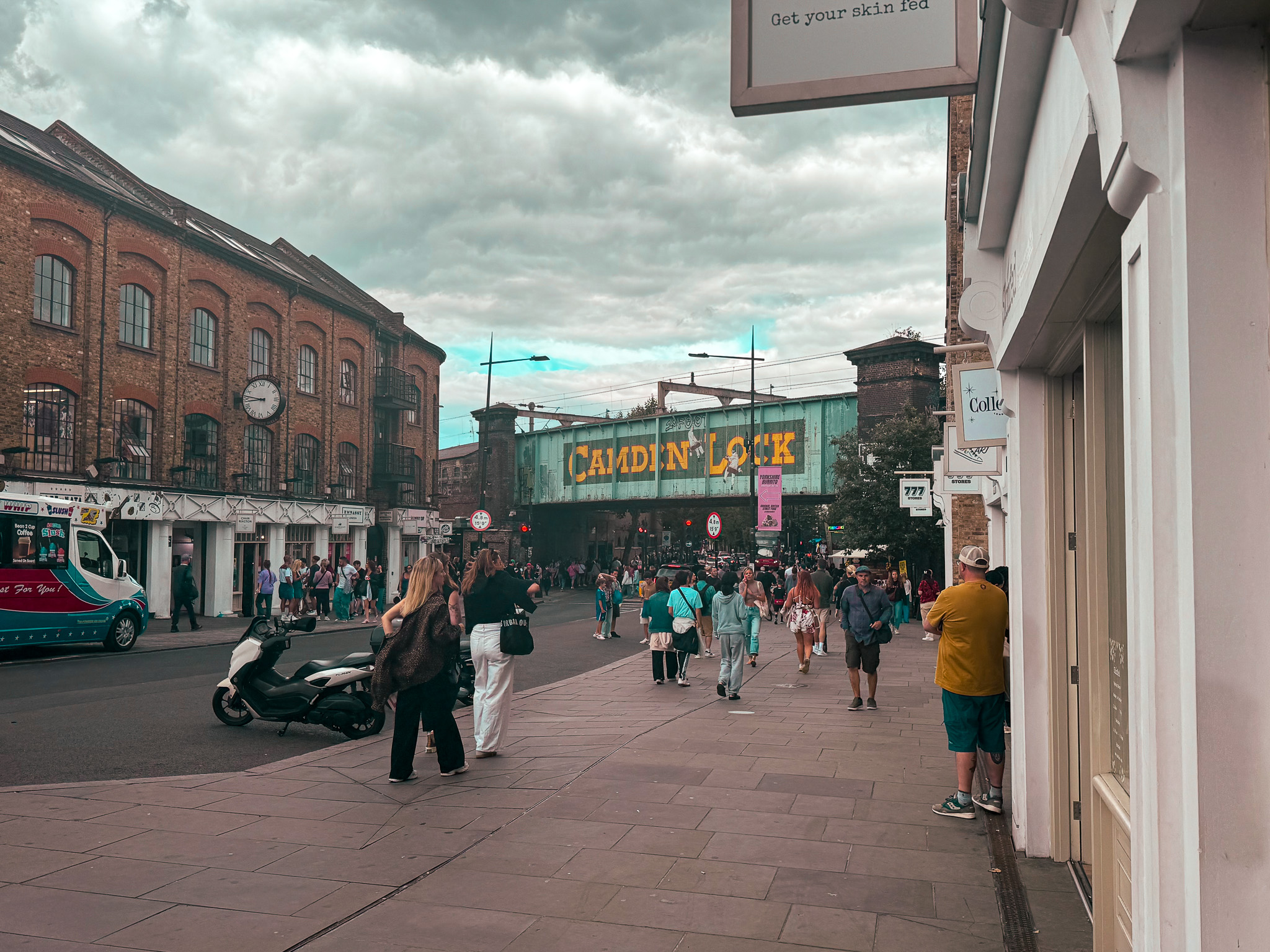
We took a day to go to Richmond, where the river widens and slows, and swans—white as entitlement—float in pairs. In Soho and Camden, the city’s newer faces crowd the pavements: falafel stands, vintage shops, women in bright hijabs, boys with pink hair smoking in the shade. The music leaks from shopfronts—hip hop, Afrobeats, old Oasis—and it feels like the city is remixing itself in real time.
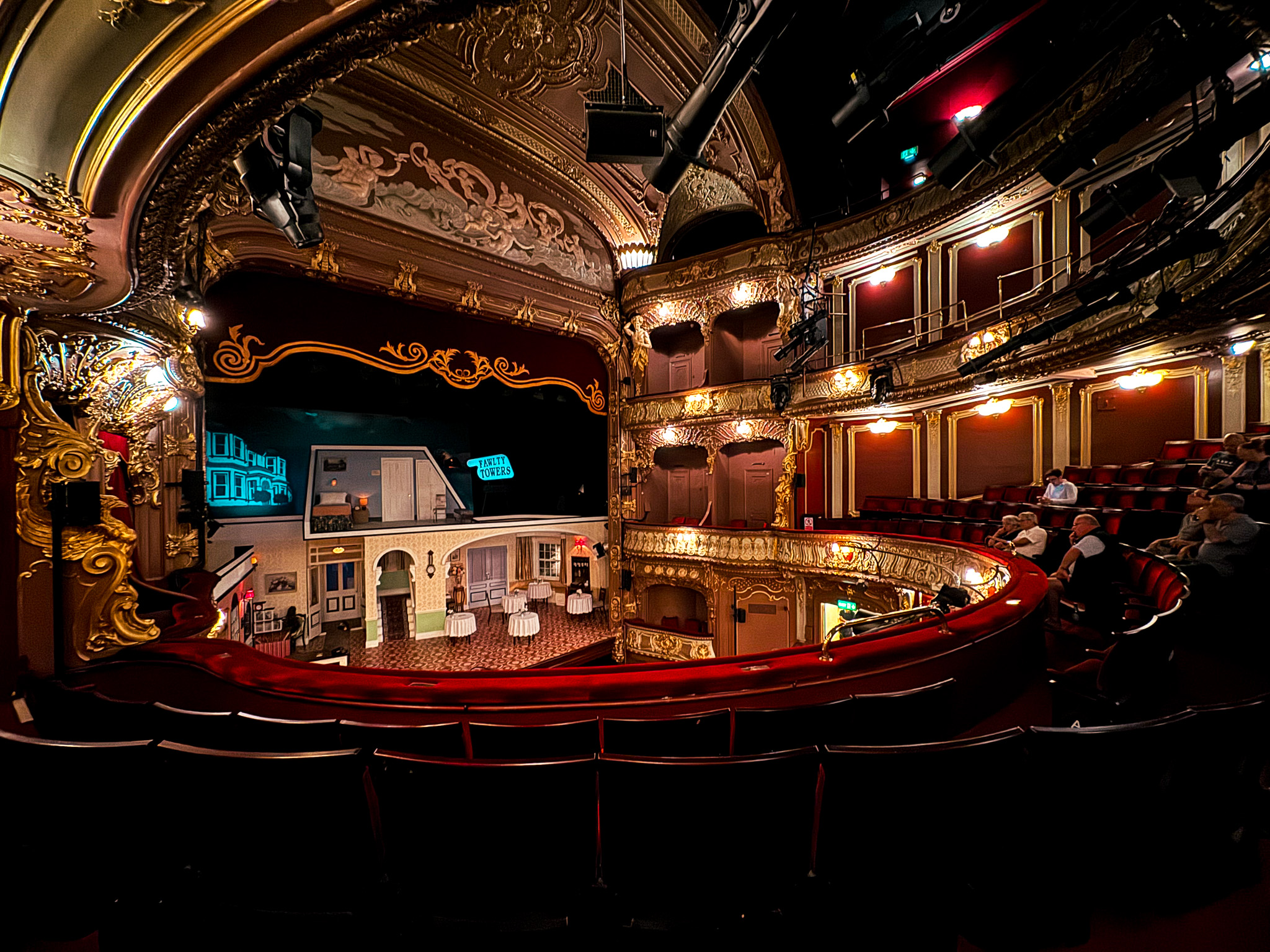
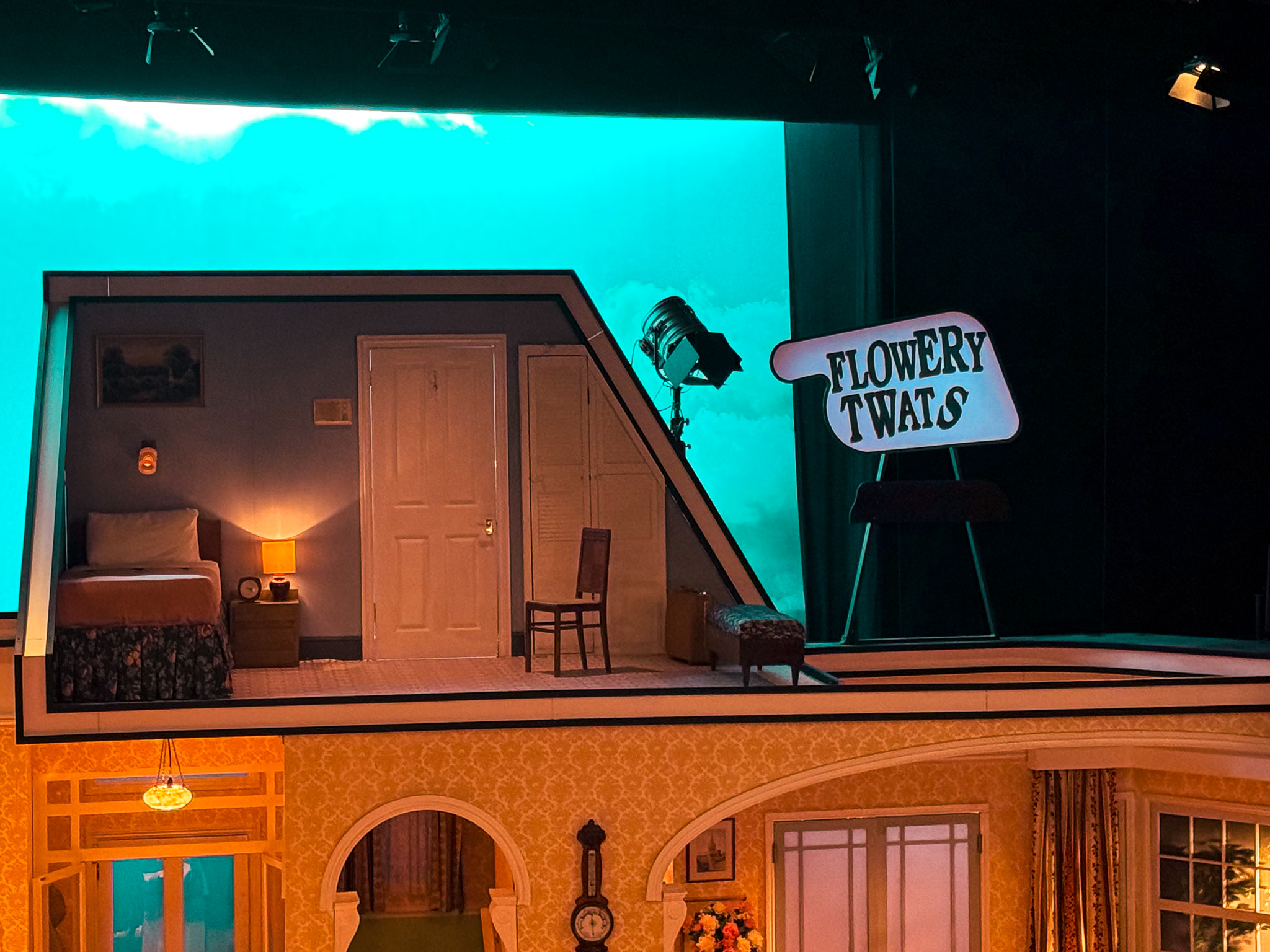
One evening, we sat in a theatre and watched Fawlty Towers. The laughter was easy, but underneath it, I could feel the weight of old British humour—the kind that sidesteps, mocks, survives. I thought about how the city keeps its cultural relics like its museums: polished, replayed, unchanged enough to be recognisable, changed enough to be palatable.
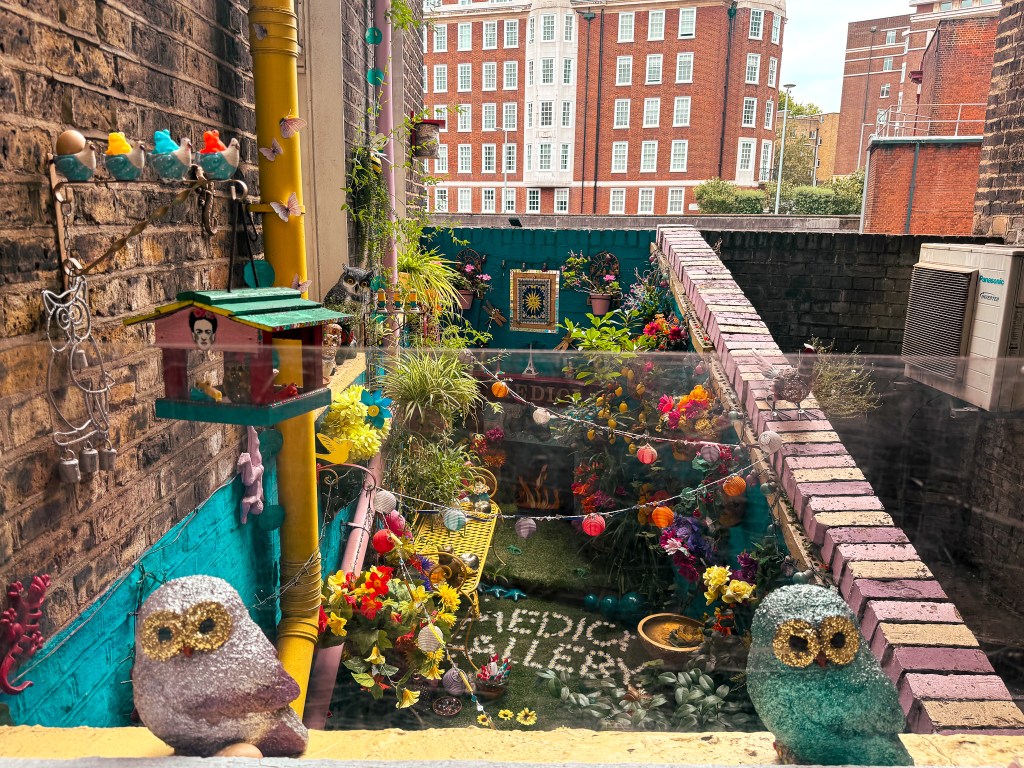
And then there was the doing-nothing part. The sitting in cafés, the cups of tea, the idle gossip. The way the light falls late in London summers, making you think you still have time.
But the city has changed.
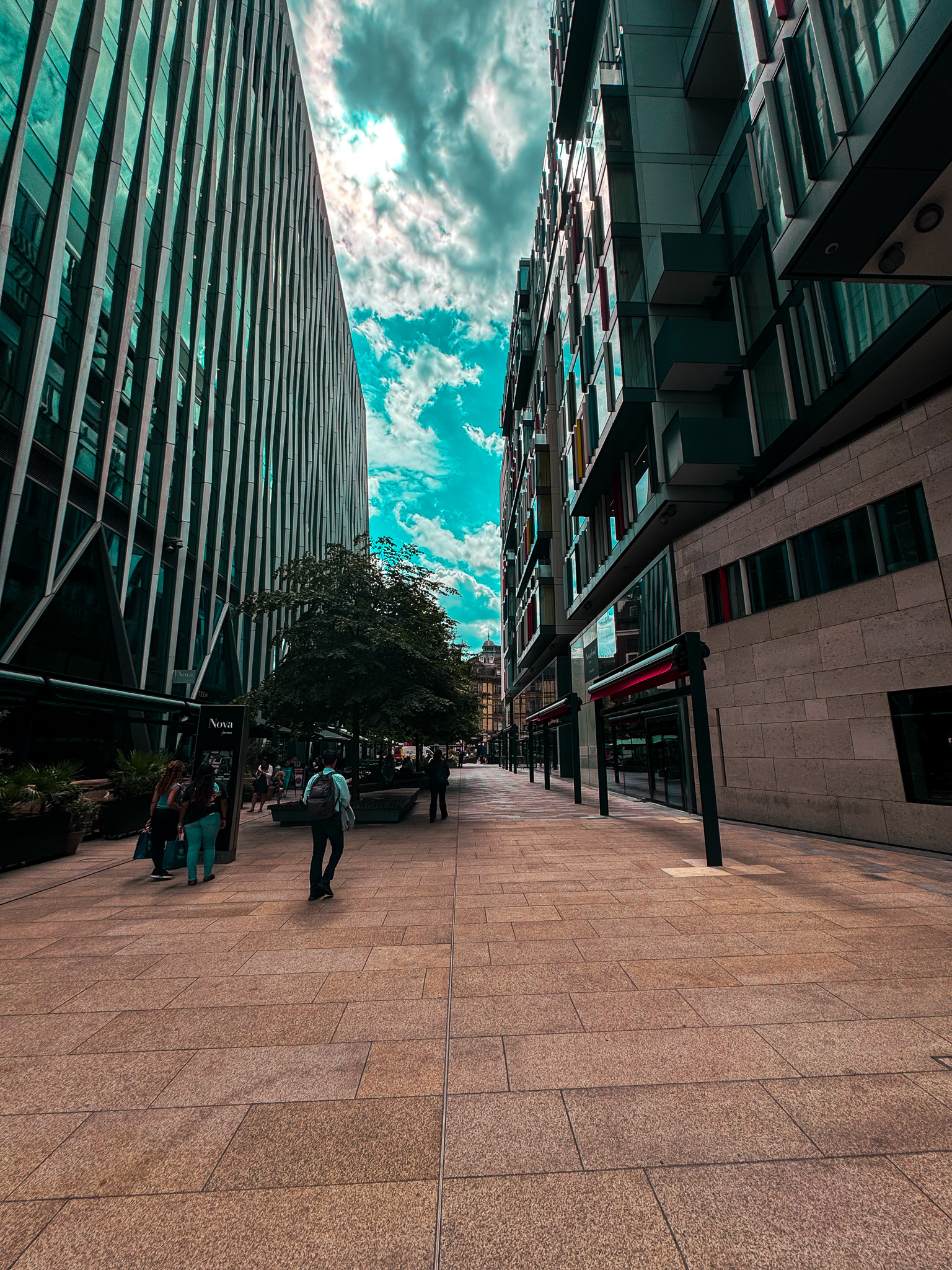
It has new scaffolds—literal and political. Glass towers where once there were soot-covered terraces. More security cameras than lamp posts. And in the faces on the Tube, there’s the whole atlas: Ghana, Bangladesh, Poland, Jamaica, Syria, India—people moving through the city like threads in a tapestry that’s both frayed and dazzling.
London is not the same city my mother knew.
It is not even the same city I thought I knew.
It’s softer in some ways, sharper in others. The empire is gone, but its bones are here, underfoot. And so are we—descendants of the colonised—walking its parks, its galleries, its markets, not as visitors, not entirely as guests, but as something harder to name.
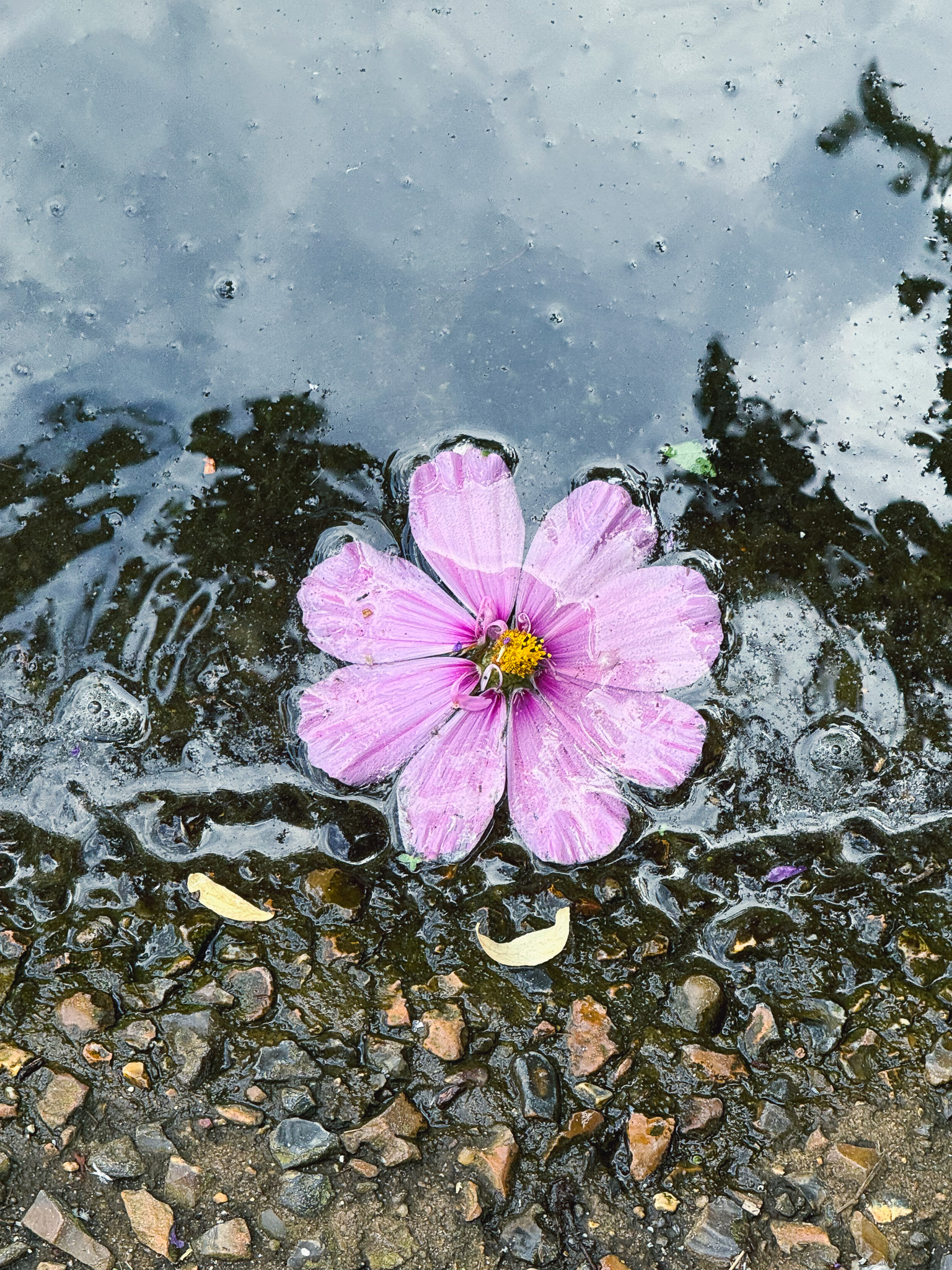
In the end, I left with a suitcase that smelled faintly of burnt milk and river water. I thought of London not as a city I had visited, but as a conversation I had been part of—one that began long before me, and will go on long after I am gone. And somewhere in that conversation, in a river both real and imagined, Ophelia is still floating—her face pale as empire’s marble statues, her dress blooming with colonial botany, her body carried forward by the same currents that now bear the city’s languages, its cuisines, its music, and its endless, restless reinvention.



Leave a Reply