
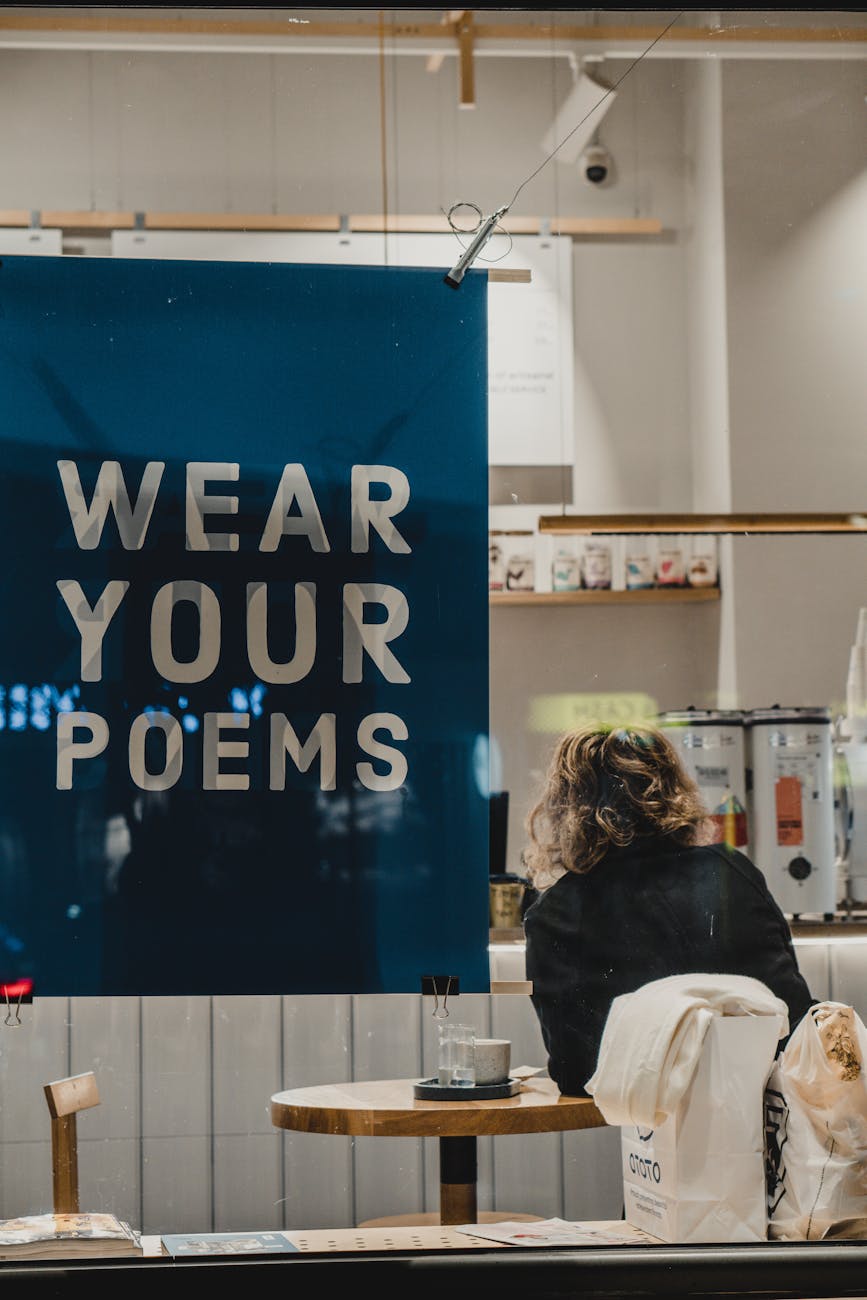
Some days, it gathers in my throat like an unspoken prayer. Other days, it sprawls across the margins of meeting notes, bleeding into the white space between obligations. Poetry, in all its reckless abundance, arrives unannounced. It stands at the door like a lover who refuses to leave, or like a stray cat who has decided that I am home.
But what does one do with all this poetry? Where does it go when the world is measured in deadlines and deliverables, in grant applications and mediated conversations, in course designs and institutional assurances? It does not sit neatly in the pockets of leadership strategies, nor does it tuck itself into the folds of a structured communications plan. And yet, it persists.
I have tried to give it away—to students composing music in the summer’s breath, to colleagues shaping the future of teaching, to friends who hold soft spaces for unfinished verses. It moves through the air like pollen, invisible but potent, taking root in places I will never see. Is that enough? Should it be enough?
There is an economy of language, and then there is this—this wild surplus, this unbridled flood. I think of the future I envision: the vast house, the library heavy with books, the luxury of time. A world where words do not have to negotiate for space. But I am here, now. And here, poetry is both indulgence and necessity, both exile and homecoming.
Perhaps the answer is not in the question but in the asking. Perhaps the poetry is not meant to be used, only to be lived. To be folded into the architecture of my days, into the spaces between my cosmic movements—leaving and returning, always returning.
So I let it linger. Let it thread through my work, my mediations and meditations, my vision for the future. Let it shape the way I see, the way I lead, the way I love. Let it be what it wants to be.
Maybe, in the end, poetry is not something to do, but something to be.
 Diligent Candy
Leave a comment