

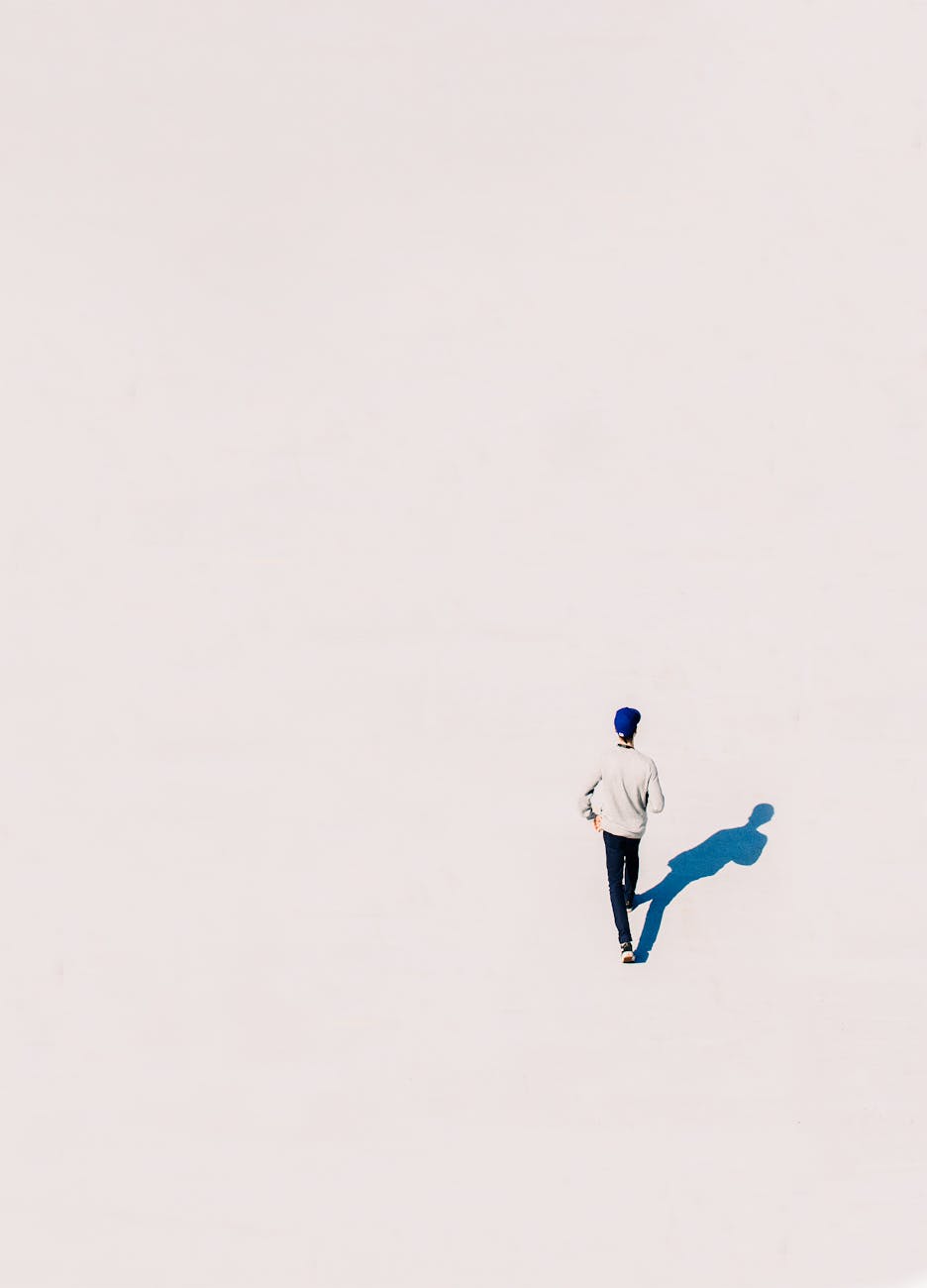
To the one who walked through light like it was ash,
You came to me not with thunder, but like rain that had forgotten how to fall. On a screen already too full of noise, you entered quietly, like a question. I didn’t know your name then — and I don’t write this letter to learn it. I write because something inside me wants to say: I saw you. And that seeing — it was not passive. It took something from me. And it gave something back.
The visual entry feels irrelevant now. It’s like remembering the scent of a house long after you’ve forgotten its name. What I remember is you. A man playing a man who had forgotten how to be one. Or perhaps had never been allowed to be. You didn’t act so much as bleed slowly. Without drama. Without spectacle. The kind of bleeding that leaves no stain, only silence.
Your grief was not stylised. It was stubborn. It clung to you like a second skin, the way old pain does. You didn’t raise your voice — not really. And yet, I heard you clearest when you were quietest. The way you sat with yourself. The way your hand hesitated before touching another. The way your eyes — ancient, uncertain — searched the world like it owed you something and also nothing at all.
What does it mean to carry a character like that? Do you come home with parts of him under your nails? Do you wash him out of your hair, only to find he’s moved into your lungs?
There was one scene — no, not a scene, a breath — where the world fell away. You looked, and in your looking, I felt every small boy who grew into a man too fast. Every secret that learned how to sit in the chest and not make noise. Every tenderness that bloomed in the wrong season and was punished for its audacity.
You didn’t perform him. You remembered him. Like he was someone you once met. Like he was you. Or us.
I do not need your name. You are already a part of something unnamed in me — the place where soft things go to survive.
Thank you for showing me that ache can be beautiful. That stillness can be louder than thunder. That sometimes, the best performances do not ask to be watched — they ask to be held.
In the breath between two silences,
Amrita

 Diligent Candy
Leave a comment